 Injoys
Social
A short written take on each piece of content: what changed and why it matters. Skim the point first, then follow through to the full article only for what interests you. Every take is drawn from real content, so the link takes you straight to the material it is based on.

H1 reports list Japan at $38.44B. South Korea records $49.63 billion in the same H1 2026 reports, an $11.19 billion lead. Taiwan stands at $41.66 billion. Integrated circuits account for most of the Korea-Japan difference. Excluding them, Japan's exports are about $1.6 billion higher than South Korea's. This supports a category-specific comparison, not a verdict on either economy. The article separates integrated-circuit exports in international comparison reports from the South Korean government's broader semiconductor export figures. It also notes Japan's competitiveness in semiconductor manufacturing equipment and its support for Rapidus, which does not fit claims that it has abandoned semiconductors. Dollar-denominated exports do not show domestic value added or overall economic strength on their own. Analysts, exporters and strategy teams comparing South Korea, Taiwan and Japan should read the article before using these figures in market or policy decisions. #GlobalEconomy #Semiconductors
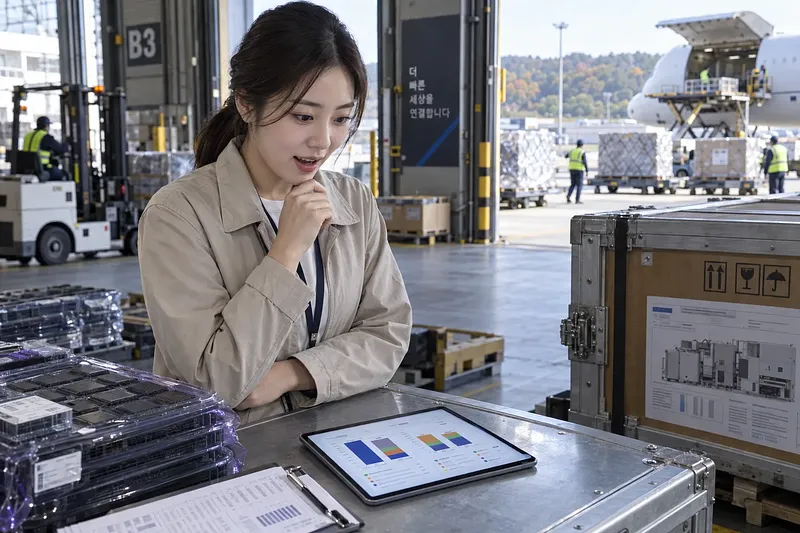

The FOMC target is now 3.75-4.00%. The 0.25-point hike was unanimous, but the dot plot does not settle the next move. Of 18 participants, 12 projected a 4.00-4.25% rate at year-end 2026. This indicates the possibility of another increase this year, not a commitment to act at the October 27-28 or December 8-9 meetings, both in U.S. local time. The median projections for year-end 2026 and 2027 are the same. That does not mean the policy rate will be unchanged at every point in 2027. A year-end median describes one point in time, not the path between year-ends. Professionals tracking U.S. monetary policy or foreign exchange markets can use the article to separate stated decisions from projected paths. Read it for the vote, meeting dates, target range, and limits of the dot plot. #FOMC #MonetaryPolicy

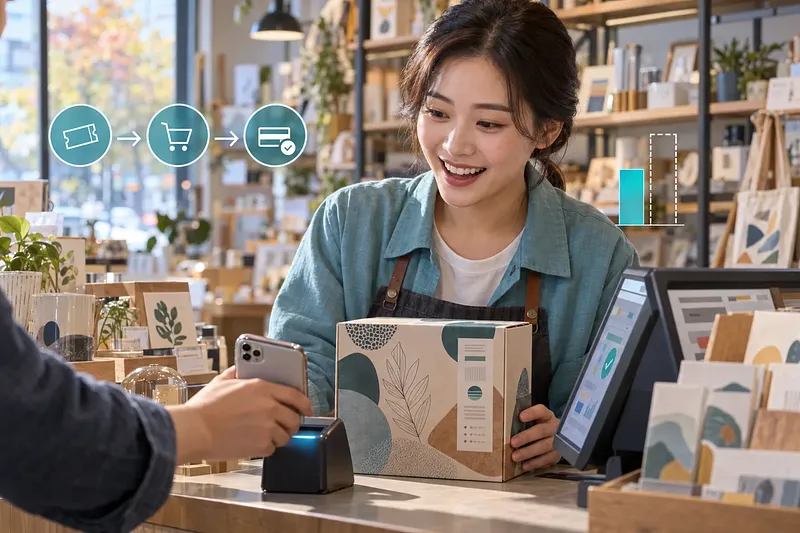
KOMSCO reports KRW 638.6 billion. A second report gives KRW 639.5 billion for 2025. The source matters when assessing performance. The figures also cover different categories and periods. The KRW 5 billion figure for currency-themed merchandise is a 2026 forecast, not revenue earned. Official statistics list 2025 exports at KRW 51.396 billion. The article connects these numbers to KOMSCO's business shift. Its digital gift certificate business expanded into platform operations supporting issuance, payment, and settlement. Its brand protection work applies anti-counterfeiting technology used in currency to authenticate products and artworks. Keeping revenue, forecasts, and exports in their proper categories helps analysts, partners, and public-sector teams avoid treating an outlook as an achieved result. Professionals reviewing KOMSCO's 2025 results, platform strategy, export activity, or 2026 merchandise outlook can read the article for the source-by-source breakdown. #KOMSCO #PlatformBusiness
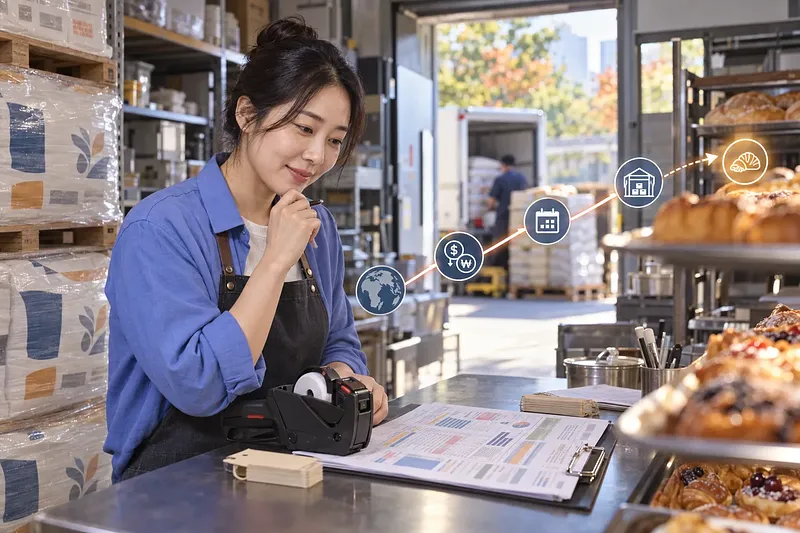
Sugar buyers weigh an 11.9% index rise. The August 2026 FAO Sugar Price Index reached 106.4 points, but domestic food prices do not automatically rise at the same rate. Hot, dry conditions in Europe and El Niño-related weather concerns in Asia affected supply expectations. In Brazil, sugarcane can become sugar or ethanol, so energy prices also influence the market. The article separates the global benchmark from local pricing. Exchange rates, contract timing and inventories help determine how much of the increase appears domestically and when. Refining sugar domestically is also different from producing the raw material domestically. Procurement, pricing and finance teams assessing sugar or processed food costs can avoid copying the full 11.9% increase into budgets without checking those factors. Read the analysis for the causes, pricing limits and points to consider in cost planning.


FAFSA 2026-27 Application and State Deadlines
Three sources set FAFSA deadlines. Applicants should check the federal date, their state of residence, and each college before planning submission. The federal deadline for 2026-27 is June 30, 2027. A separate Mississippi date is easy to misread: October 15, 2026 applies to supporting documents for MTAG and MESG, not new applications. Matching each date to the right task helps avoid building a plan around the wrong cutoff. Preparation also has a sequence. Set up accounts for the student and required contributors, gather 2024 income information, complete the form, and add the schools receiving it. Every required contributor must provide consent and a signature before submission. The article continues through the post-submission checks, including the submission summary and requests for more documents from states or colleges. People applying for 2026-27 aid in the U.S., plus professionals helping them, can use it to review the full process. #FAFSA #StudentAid

Everywater Label-Free 500ml 40-Pack Price per Bottle
This post contains Toss Shopping ShareLink affiliate links, for which a commission is earned. The 40-pack needs a final-cost check. For Everywater, add shipping before using the unit price for a purchase decision. The listed product price is 4,400 KRW as of 2026-09-20. The article records 110 KRW per 500ml bottle as of 2026-09-18. As of 2026-09-20, the pre-discount reference is 19,800 KRW (based on the seller's listed price). That is the seller's reference price, not what another retailer charges. Keeping those prices separate helps household and workplace budgets reflect actual spending. The format matters as much as the number. Forty small bottles need storage space, and the unit price is more useful when 500ml bottles fit regular use. For regular small-bottle purchases at home or work, consider reading the article before deciding. It provides a plain check of final payment, unit cost, usual consumption, and storage needs. #DecisionMaking #FoodShopping