 Injoys
Social
A short written take on each piece of content: what changed and why it matters. Skim the point first, then follow through to the full article only for what interests you. Every take is drawn from real content, so the link takes you straight to the material it is based on.
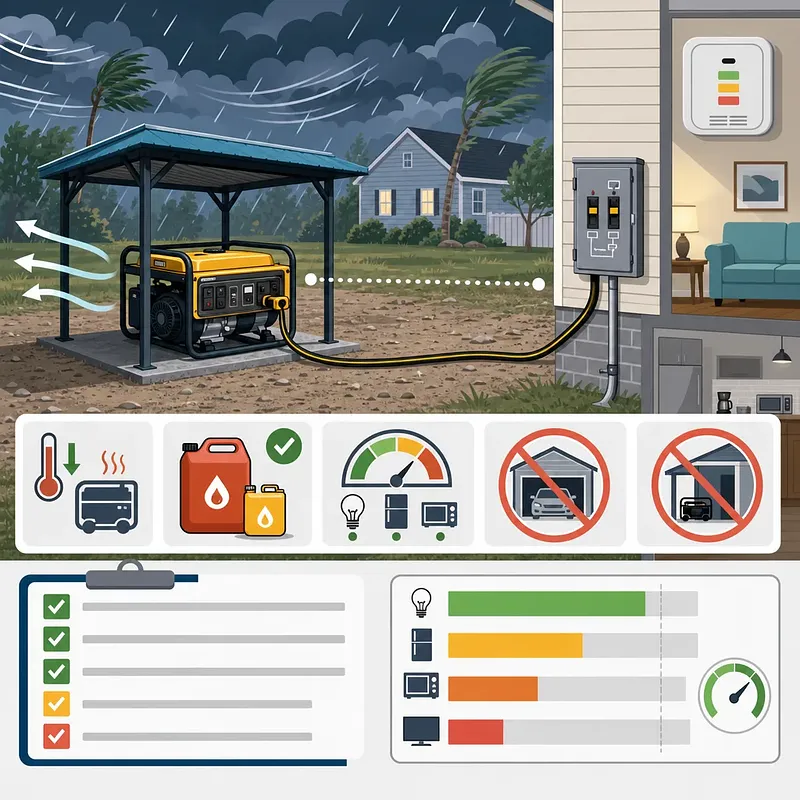
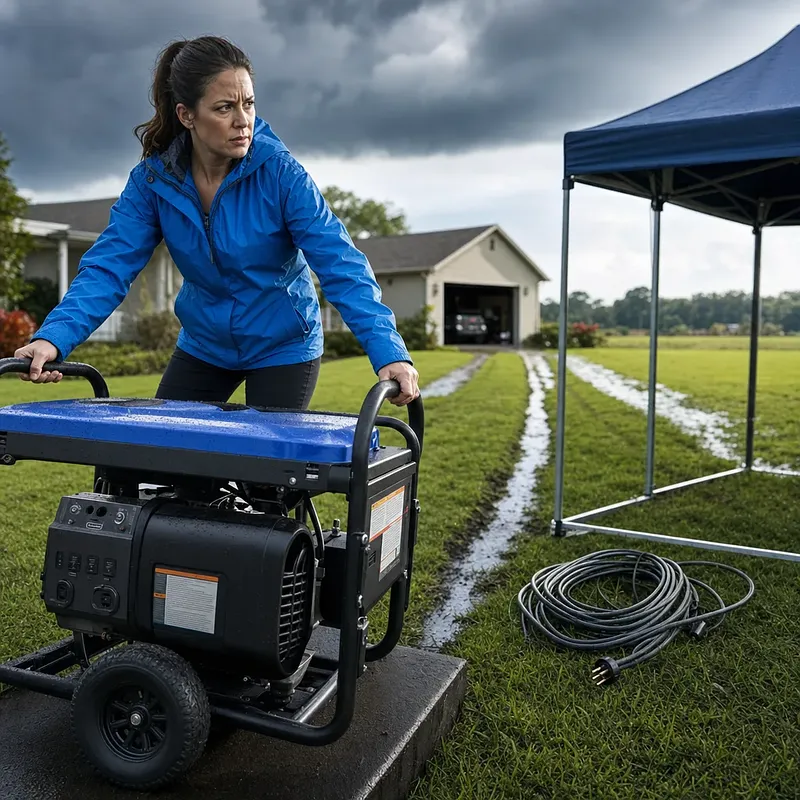
Portable generators can support essential needs during hurricane-related outages, but improper setup can create serious carbon monoxide and electrical hazards. Public agency guidance calls for operating fuel-powered generators only in an open outdoor area, at least 20 feet from the home, with exhaust directed away from doors, windows, and vents. Before use, households should test carbon monoxide alarms, confirm weather protection, inspect fuel, and verify that extension cords are rated for the intended load. For connections beyond direct appliance use, an inlet and transfer switch should be installed by a qualified electrician. During operation, monitor load and fuel levels continuously, and shut the generator down and allow it to cool completely before refueling. The article provides a practical checklist for preparation, operation, and post-outage inspection. #GeneratorSafety #DisasterPreparedness
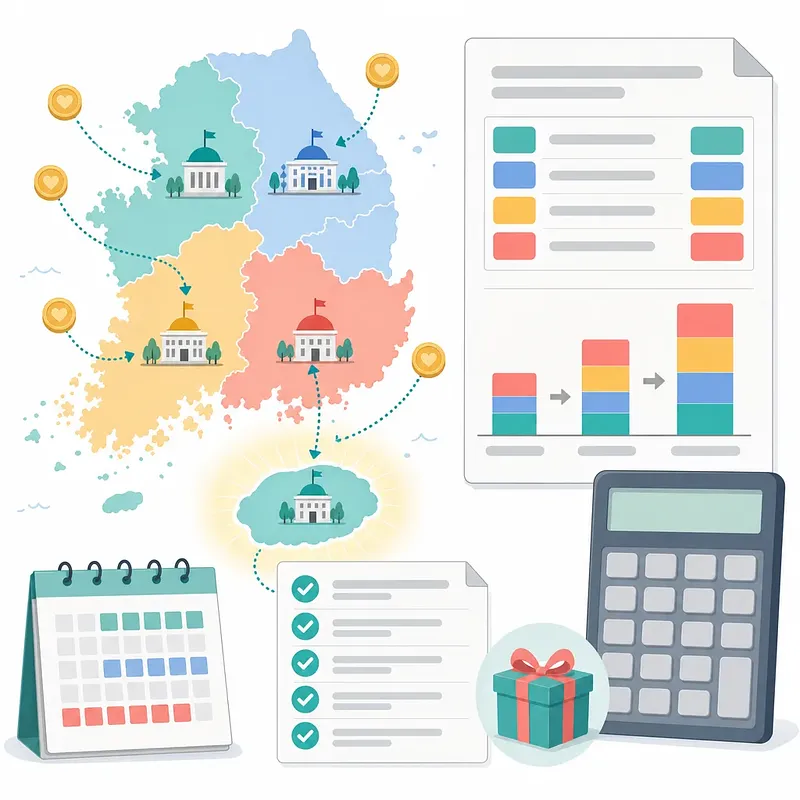
A proposed change to Korea’s Hometown Love Donation Program could introduce region-based tax credit incentives beginning in 2027. Under the plan, donations above KRW 100,000 would receive higher credit rates in designated non-capital and preferential regions. Certain brackets could rise from 44% to 55% and from 16.5% to 27.5%, with the calculation producing a maximum credit of KRW 5.6 million. Individuals may currently donate up to a combined KRW 20 million annually to local governments outside their registered place of residence. Understanding the brackets matters for donation and year-end tax planning. However, implementation timing, regional classifications, and rates may change during the legislative and regulatory process, so donors should confirm the latest rules before contributing. #TaxCredit #Taxes

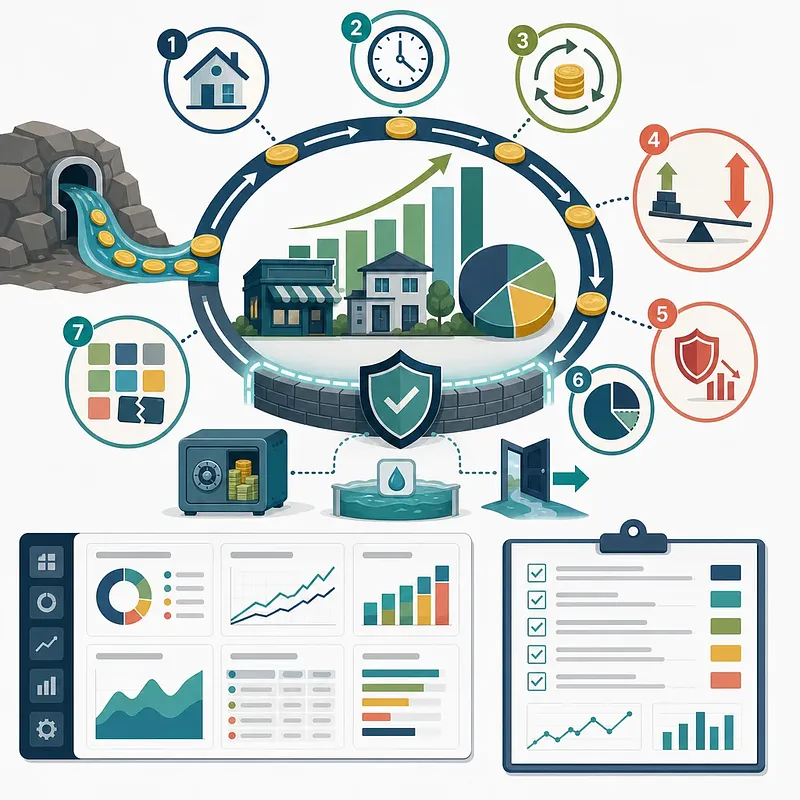
7 Money Principles for Building Great Wealth: Ownership, Compounding, Leverage, and Survival
Sustainable wealth creation requires more than identifying opportunities with attractive upside. Investors also need ownership, reinvestment, sufficient time for compounding, and safeguards against permanent loss. This article presents seven principles for applying those ideas to real-world financial decisions. It examines how earned income and business cash flow can be converted into productive assets, why leverage magnifies interest costs and forced-liquidation risk, and how probability, downside analysis, position sizing, and diversification contribute to survival. The central lesson: long-term outcomes depend not only on returns, but also on staying financially capable of compounding after setbacks. #AssetAllocation #LongTermInvesting

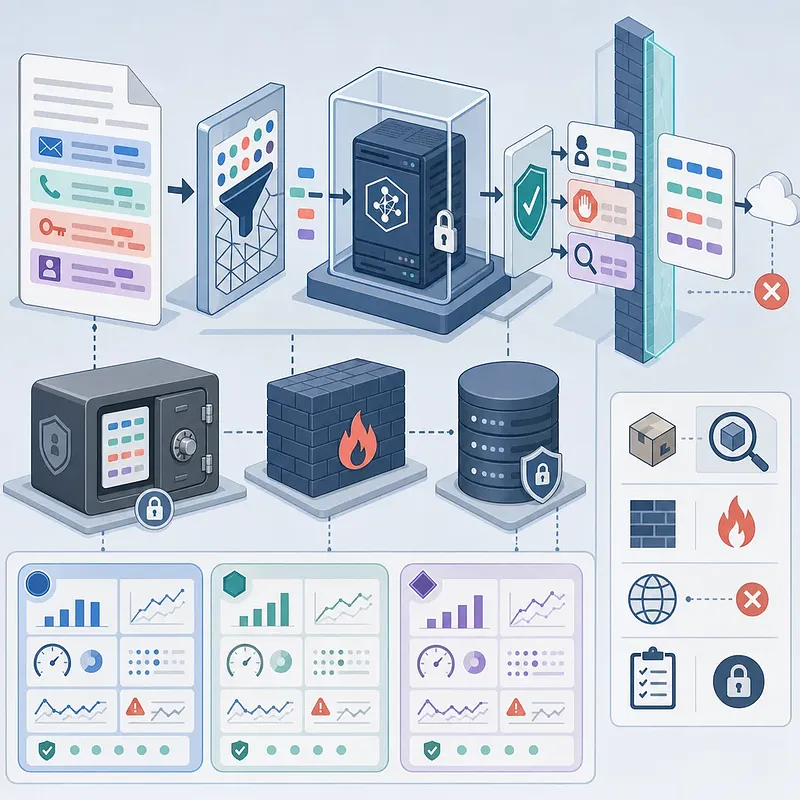
Using a cloud model to identify sensitive information can undermine the purpose of filtering: the raw data has already been transmitted externally before detection occurs. A more practical architecture combines deterministic rules with local LLM assessment. Rules handle structured values such as email addresses, phone numbers, and authentication tokens, while the model evaluates cases that depend on context, including personal names and internal project names. This article outlines how to compare gpt-oss, Qwen, and Gemma using task-specific missed-detection rates, false positives, latency, and structured-output success under identical conditions. It also covers stable masking placeholders and the operational risks that local execution alone does not eliminate. #LocalLLM #DataProtection #AIEngineering

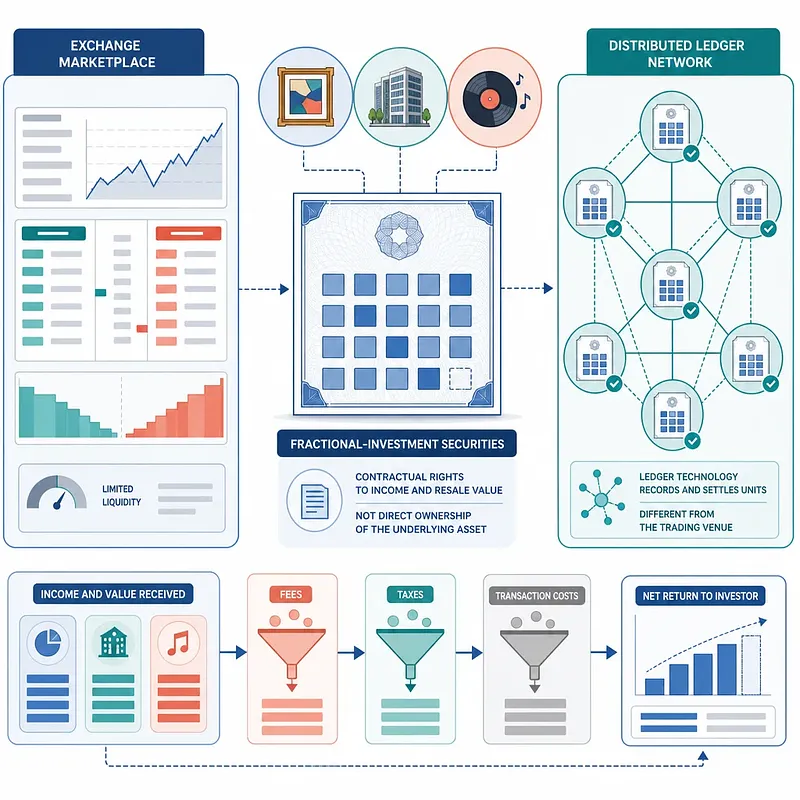
Korea Exchange's New Securities Market: Fractional Investment Structure and Differences from STO
Korea Exchange plans to open a new securities market on November 16, 2026, for qualifying fractional investment securities involving artworks, real estate, and other assets. The structure matters: investors purchase securities containing contractual rights to returns and redemption rather than co-ownership of the underlying assets. Evaluating potential returns also requires deducting fees, taxes, and transaction costs from dividends and capital gains. Exchange listing does not eliminate liquidity risk, as limited trading volume may still make timely sales difficult. The article also clarifies a key distinction: this conventional electronic securities market is not the same as token securities issued and recorded through distributed ledgers. #FractionalInvesting #TokenSecurities

How a KRW 5 Billion Deposit Reflects Changes in South Korea's Senior Housing Market
A KRW 5 billion deposit should not be treated as the benchmark for senior housing in South Korea. It represents the upper end of pricing for certain high-end projects and highlights how the market is segmenting by assets, location preferences, and lifestyle expectations. This matters because urban senior housing increasingly combines residences with healthcare, dining, and leisure services, while high development costs and operational demands constrain supply. Prospective residents should assess the legal facility type, operator, recurring fees, healthcare access, refund structure, and long-term operating stability—not just the deposit. Public and middle-income models should likewise be judged by completed projects and operating records rather than planned supply alone. #SeniorHousing #HealthyAging #HousingMarket