 Injoys
Social
A short written take on each piece of content: what changed and why it matters. Skim the point first, then follow through to the full article only for what interests you. Every take is drawn from real content, so the link takes you straight to the material it is based on.

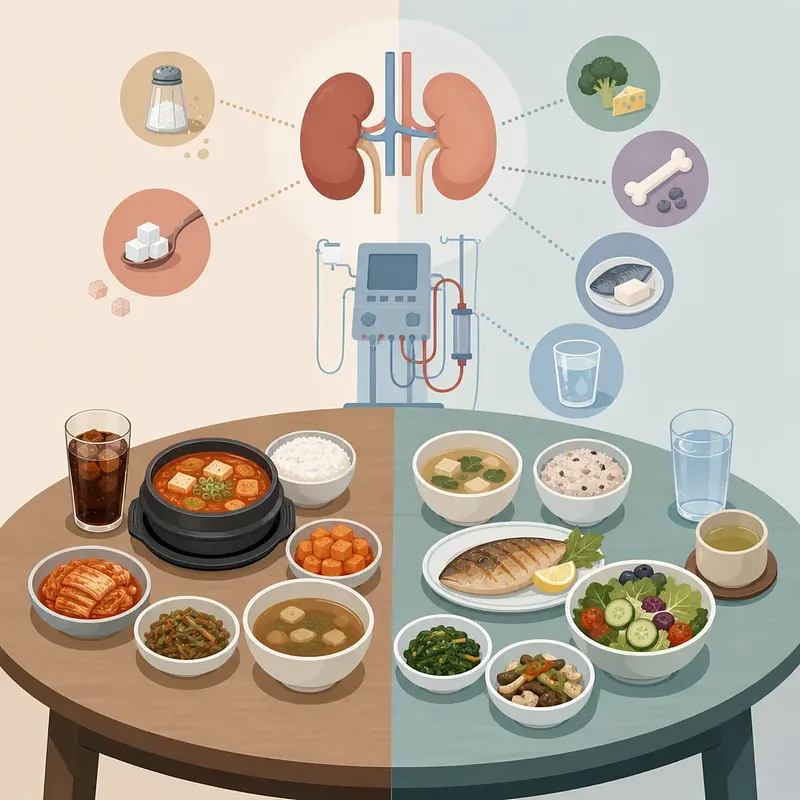
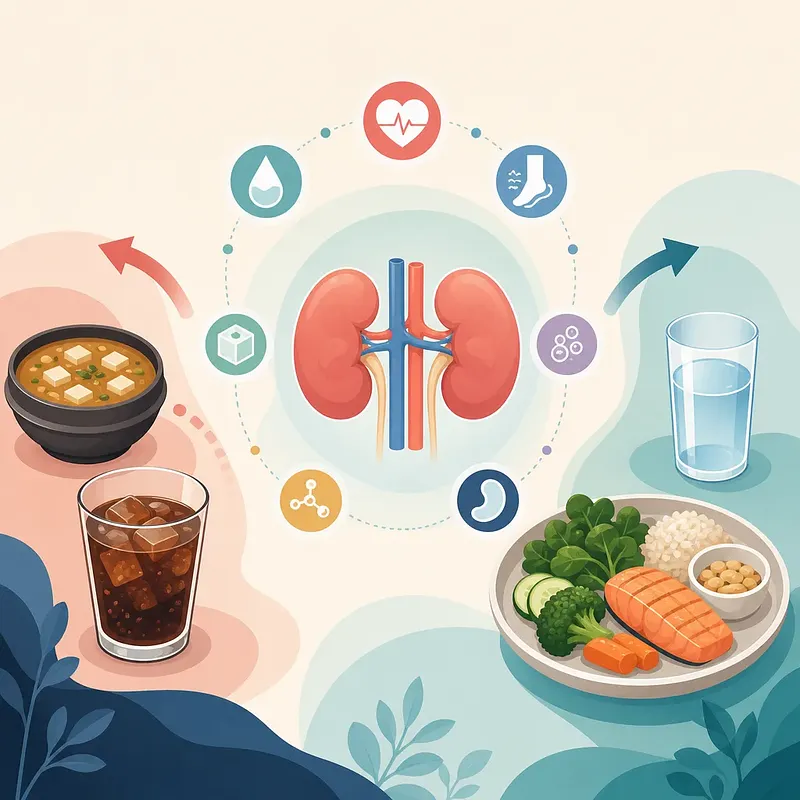
Dietary management for chronic kidney disease requires more than a list of foods to avoid. Reducing doenjang soup, stews, salted seafood, and pickled vegetables can help lower sodium intake, while replacing sugary drinks with water or unsweetened options can reduce added sugar. Why does personalization matter? Appropriate intake of potassium, phosphorus, protein, and fluids varies with blood pressure, blood sugar, swelling, laboratory results, medications, nutritional status, and dialysis. Uniform restriction may be unnecessary and could make it harder to maintain adequate nutrition. This article explains which practical changes can help and why broader dietary limits should be guided by the healthcare team. #KidneyHealth #ChronicKidneyDisease
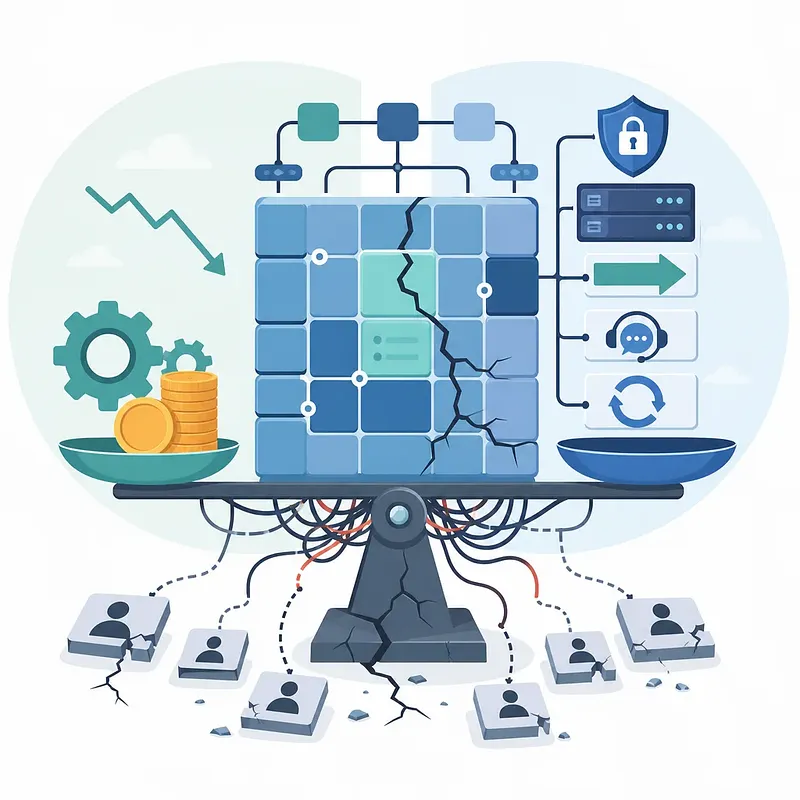
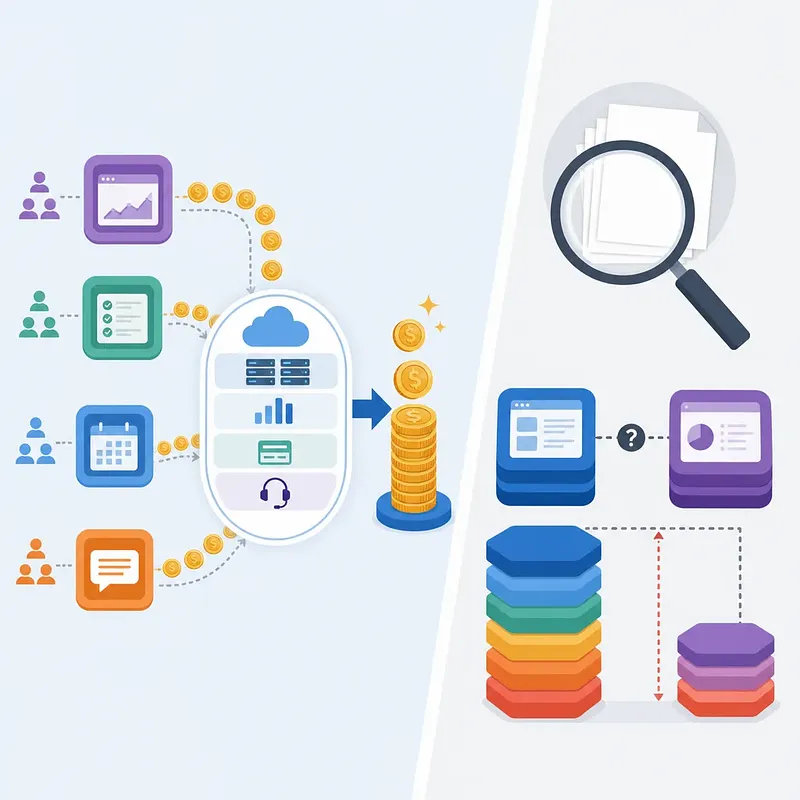
Software investors need Airtable proof. The reported August 2026 acquisition and July 2026 Nasdaq listing should not be treated as confirmed without statements from the parties, transaction disclosures, and securities filings. The arithmetic also needs correction. A move from the cited figures of $11.7 billion to $1.285 billion is an approximately 89.0% decline, not 81%. That difference changes how the transaction narrative should be assessed. The article examines Bending Spoons’ roll-up logic: acquiring software that retains its brand, customers, and recurring revenue, then using shared operations, cost consolidation, and pricing changes to improve cash flow. It also identifies the longer-term risks of customer churn, weakened product trust, and accumulated technical debt. Professionals evaluating B2B work-platform acquisitions should also consider security, availability, data portability, support quality, and contract renewal rates. Read the article for a structured assessment of the claims and operating model. #TechnologyStrategy #PlatformBusiness
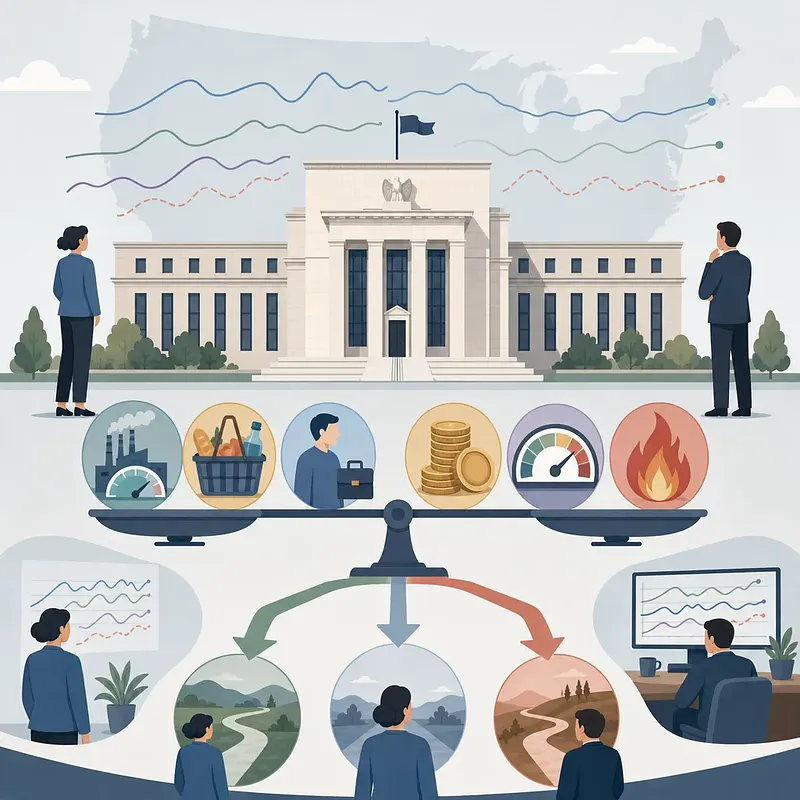
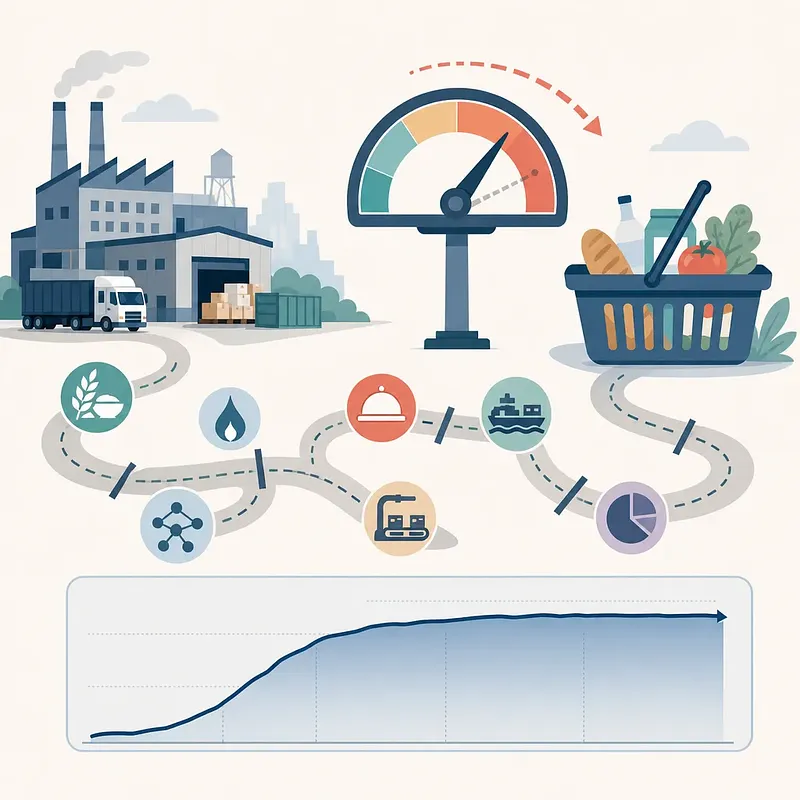
The July 2026 U.S. Producer Price Index offered encouraging—but limited—evidence of easing inflation pressure. Final-demand PPI rose 4.7% year over year and was unchanged month over month, while core PPI increased 4.2% annually and 0.2% monthly. Why does this matter? A lower-than-expected reading may reduce pressure for further rate increases, but it does not establish a timetable for Federal Reserve rate cuts. PPI also does not lead CPI by a fixed interval: item composition, business margins, import prices, and base effects can alter how producer costs reach consumers. The article explains how to interpret the figures alongside employment, PCE inflation, and financial conditions. #Inflation #MonetaryPolicy #Fed

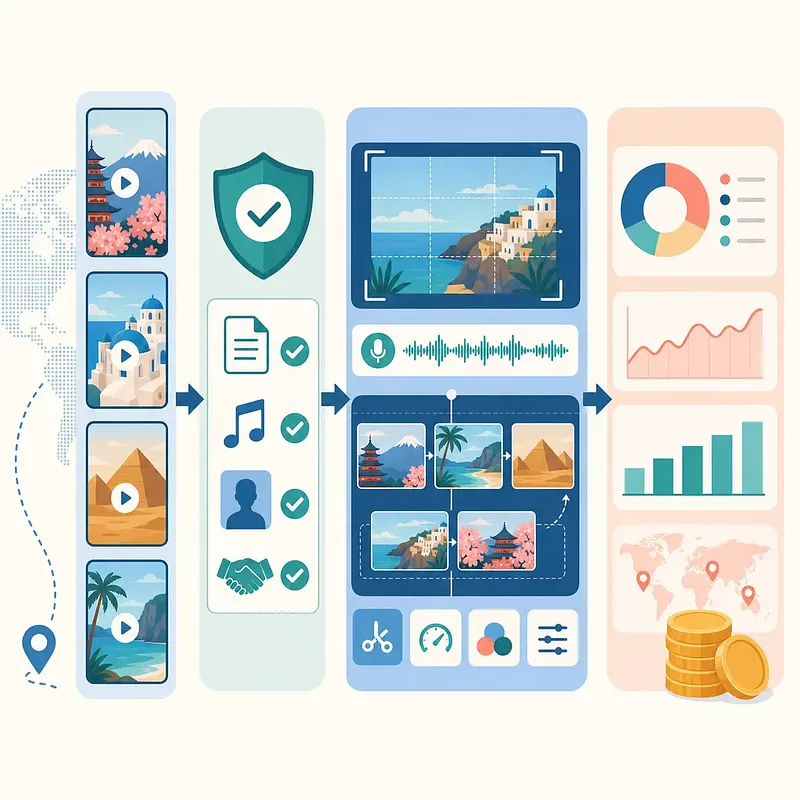
Shorts teams prepare a clip for launch. Permission from an original creator does not necessarily establish all relevant rights. Commercial use, editing, translation, monetization, music, and likenesses may involve different rights holders, so documented authorization matters before publication. This article presents an operating workflow: define audience value for Korean viewers; evaluate candidates by comment substance and cultural context, not views alone; then add original commentary, structure, narration, and interface-aware captions and visuals. These steps help teams assess both rights readiness and editorial value. It also recommends recording retention, revenue, and production costs for every video before deciding whether to scale. That evidence provides a firmer basis for interpreting reported claims of ₩10 million in monthly revenue rather than treating the figure as a repeatable result. Creators, editors, and content operators adapting overseas videos for YouTube Shorts should read the full article before building their workflow. #ContentMonetization #YouTubeShorts
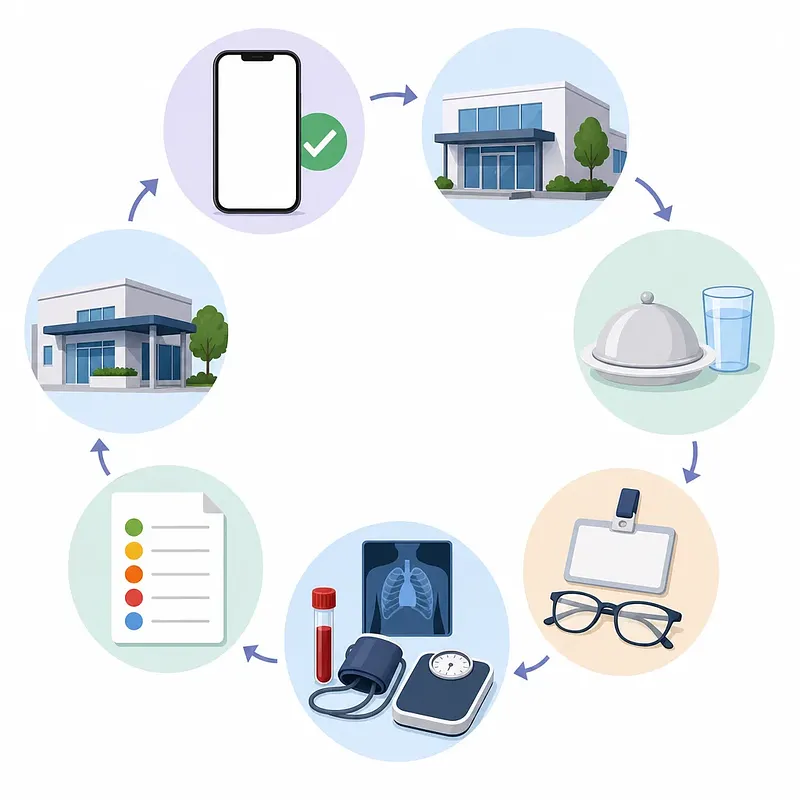
Understanding the 2026 national health screening process can help eligible individuals avoid missed appointments and incomplete preparation. People born in even-numbered years are generally eligible, while workplace-insured employees in non-office jobs may qualify annually regardless of birth year. This guide explains how to verify eligibility and individual screening items through the National Health Insurance Service, find a designated provider, confirm booking and fasting requirements, and prepare the necessary identification and notice. It also covers options for people who missed a 2025 screening and the next steps when results call for confirmatory testing or medical care. #HealthScreening #HealthInsurance

What Is Truthiness? Beliefs That Feel True and 6 Myths About Success
Repeated advice can gain credibility through familiarity rather than evidence. This is the illusory truth effect, one mechanism behind “truthiness”—the tendency to accept a claim because it feels right. The article reviews six success myths discussed in “The ONE Thing” and considers why they should be treated as prompts about priorities and focus, not scientific laws. Claims about multitasking, self-discipline, willpower, balance, and ambitious goals can vary in usefulness depending on the task and context. For better decisions, translate advice into a verifiable statement and evaluate its source, counterexamples, and conditions for application. This approach helps separate practical guidance from appealing generalizations. #DecisionMaking #Productivity