 Injoys
Social
A short written take on each piece of content: what changed and why it matters. Skim the point first, then follow through to the full article only for what interests you. Every take is drawn from real content, so the link takes you straight to the material it is based on.

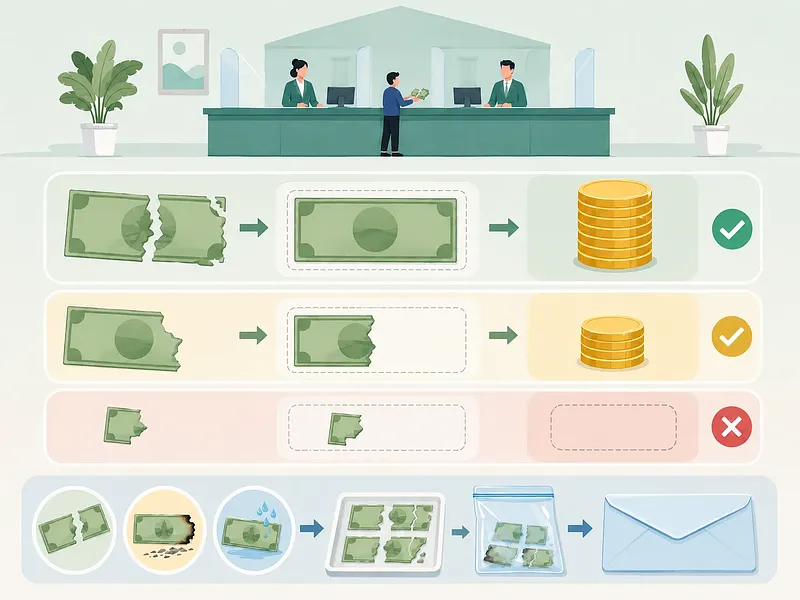
Damaged banknotes do not automatically lose all cash value. The exchange amount depends on whether the note can be identified and how much of its surface area remains. Under Bank of Korea standards, a note with 3/4 or more remaining may be exchanged for full value. If 2/5 or more but less than 3/4 remains, half value may be reimbursed. Less than 2/5 generally cannot be exchanged. This matters for everyday situations such as bills damaged by fire, water, or tearing. The article also explains why you should preserve damaged notes carefully and when exchange may be restricted, such as suspected alteration or intentional damage. https://injoys.com/en/articles/damaged-korean-banknotes-exchange-value #CurrencyExchange #Cash
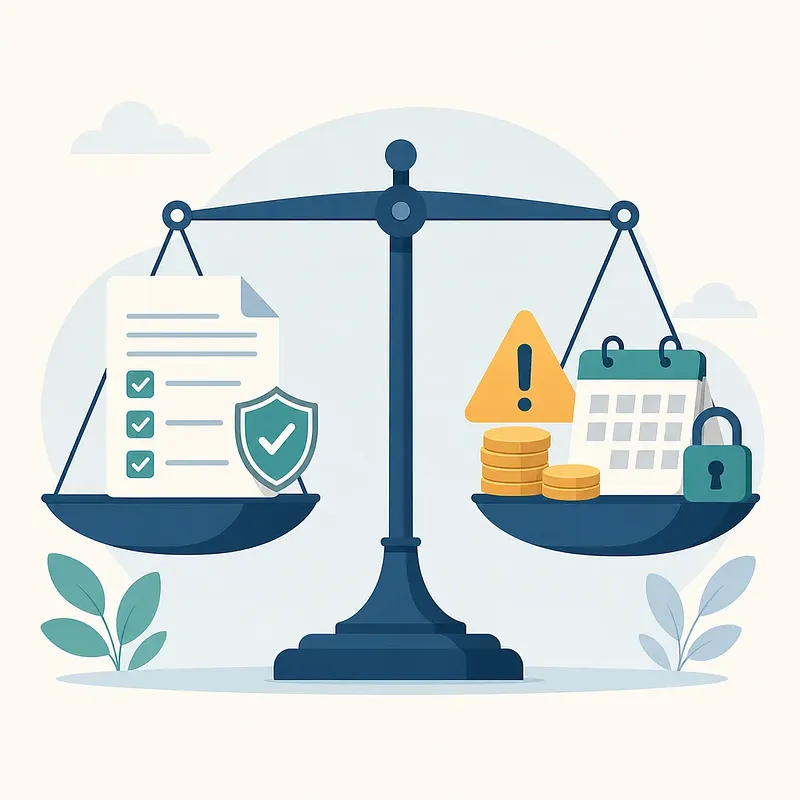
Terms and conditions play a central role in financial transactions because they define the rights, obligations, costs, risks, and termination rules that apply to customers and institutions. For products such as loans, deposits, cards, or insurance, these provisions may cover fees, interest, payout requirements, exclusions, cancellation conditions, and penalties. Skipping them can lead to unexpected costs or misunderstandings after the contract is signed. The article explains what financial terms and conditions are, why they matter, how unfair terms are regulated, and what consumers should check before agreeing. https://injoys.com/en/articles/why-financial-terms-and-conditions-matter #FinancialLiteracy #ConsumerProtection

Diversified Investing: Where and How Much Should You Invest?
Investors weigh risk before allocating. Diversification can reduce concentration risk tied to one asset or company, but it does not eliminate the possibility of loss. The article compares savings accounts and fixed-term deposits, which have low market-price fluctuation risk but limited returns, with stocks, bonds, and mutual funds, which carry principal-loss risk. It frames these choices through profitability, stability, and liquidity, helping readers connect product features to an investment goal and time horizon. It also outlines portfolio examples for different risk tolerances, the general shift toward safer assets and cash equivalents as investors age or approach the date funds will be used, and regular rebalancing to maintain a target allocation. Investors defining a goal or reviewing an existing portfolio can read the article for a structured way to evaluate where and how much to invest. #AssetAllocation #Portfolio