 Injoys
Social
A short written take on each piece of content: what changed and why it matters. Skim the point first, then follow through to the full article only for what interests you. Every take is drawn from real content, so the link takes you straight to the material it is based on.

G-STAR visitors face a booking cutoff. Online booking is required by the day before each visit. There are no on-site sales. The article sets out the booking sequence: use the purchase button on the official general visitor page, review consent to share personal information, disable the pop-up blocker, then check the visit date and ticket quantity before payment. These checks help keep the purchase aligned with the planned visit. Before travel, check the adult or youth ticket selection and supporting documents. On the visit day, collect the admission wristband at the exchange point before ticket verification closes. Confirm exact cutoff times and document requirements on the official general visitor page. For public exhibition visitors attending November 19-22, 2026 at BEXCO in Busan, South Korea, the article can serve as a booking checklist before travel.


YouTube creators weigh AI disclosure. Disclosure itself does not affect monetization eligibility. The requirement applies when generated or altered content depicts real people, events or places in a way that could be mistaken for reality. Scriptwriting assistance, caption creation and color correction are examples that do not need disclosure. A label does not necessarily mean a creator added it. Content credentials and automatic detection can also trigger labeling. The November 2026 campaign expands education rather than introducing a new disclosure requirement. For creators publishing realistic AI content, the article explains the disclosure boundary and where to check labels. Read it to distinguish what needs disclosure from what disclosure means for monetization eligibility.


AI Collaboration: Relationslipping and Team Guidelines
Teams weigh AI against peer input. An HBR-featured survey found 22.3% lower work coordination where replacing colleagues with AI was common. That comparison concerns replacing colleagues, not AI use in general. The article calls the weakening of work relationships through repeated substitution relationslipping. It places the survey findings in the context of how easily colleagues can ask one another questions. Psychological safety and consistent team communication help create room for those questions. When assessing the results of AI use, contributions to shared knowledge belong alongside individual speed. This gives teams more to consider than how quickly one person completes a task. Leaders of teams turning to AI in place of colleagues can use the article to guide a discussion about communication practices and standards for sharing how AI is used.


Teams weigh GPT-6 Cyber token costs. Standard short-context output costs $100.00 per 1 million text tokens, versus $20.00 for input. Access is not included for every Daybreak Red organization. Separate model approval is required, with initial use through the API and Codex. For vulnerability research and fix validation, these rates give approved organizations a basis for estimating token costs. OpenAI also reported a 48.5% ExploitGym score. Eligibility for organizations based in South Korea and the timing of access for all Daybreak Red customers remain undisclosed. OpenAI's official updates are where to confirm changes. Security teams assessing the model can read the article for confirmed launch terms before seeking model-specific approval.
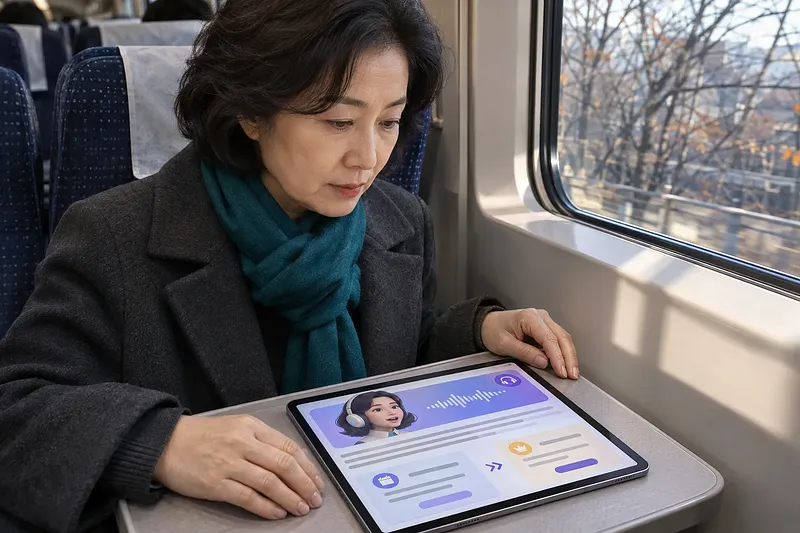
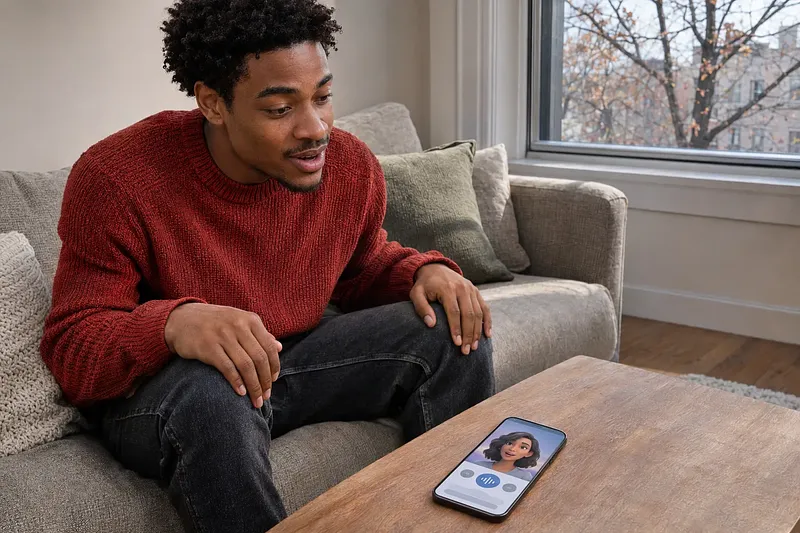
Muse buyers pay more for more tokens. Power costs $20 per month for 500M Muse tokens per week. Maximum costs $100 per month for 3B per week. Those allowances do not establish access to the new voice conversations or expressive avatars. Eligibility and usage limits for these features under each plan have not been disclosed. Meta says the features will roll out gradually, starting in the US. Availability and a release schedule for South Korea, along with Korean language support, remain undisclosed. Teams budgeting for voice or avatar use can start with the article's comparison, then seek confirmation from Meta on eligibility and usage limits before choosing a plan for those features.
Logitech G304 Mouse 1-Pack and Rating
This post is part of Naver Shopping Connect activity, and a commission is received when a sale occurs. 4.92/5 gives G304 buyers context. The marketplace score is based on 9,994 reviews, giving single-mouse buyers a reference for their purchase. The review count shows how many reviews are behind that rating. One black Logitech G304 LIGHTSPEED gaming mouse costs KRW 34,900 as of 2026-11-10. Because the package contains one mouse, the package price and the price per mouse are the same. That shows what buying one mouse costs. The article gives buyers seeking one gaming mouse the pack size, price with its date and marketplace feedback. You can read it for focused buying guidance based on those figures.