 Injoys
Social
A short written take on each piece of content: what changed and why it matters. Skim the point first, then follow through to the full article only for what interests you. Every take is drawn from real content, so the link takes you straight to the material it is based on.

Renter Repair Duties and Housing Benefits for 2026
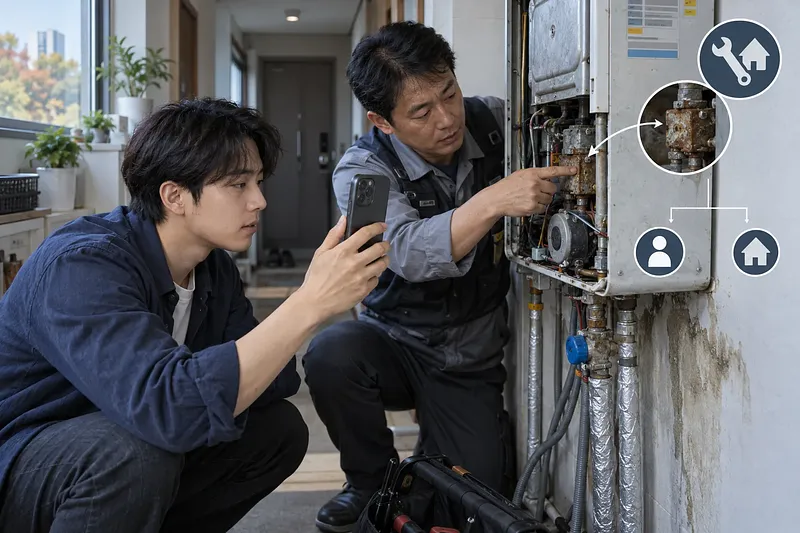
Renters must choose one tax treatment. One payment cannot be used for both the monthly rent tax credit and cash receipt income deduction. This distinction affects 2026 year-end tax settlement planning. Repair responsibility is assessed by the cause of the problem and its effect on use. The same principles apply to ordinary jeonse and monthly rental leases and help renters decide who should handle the work. For conversion, the rate is based on the deposit difference being changed into monthly rent. The guide distinguishes opposability, preferential repayment rights, and top-priority repayment for small-deposit tenants. These standards concern whether a lease holds against others and where a tenant stands in repayment. Their requirements differ, so they should not be treated as interchangeable. South Korean renters reviewing 2026 jeonse or monthly rental contracts, tax claims, or deposit protection can read the article first. Regular 2026 youth rent assistance applications closed at 4:00 p.m. on May 29.


A goal needs a verifiable result. That gives you a clear test for progress and a firmer basis for the next decision. Age and circumstances can change what is practical. Leaving those constraints undefined makes it harder to tell whether the action, the conditions, or missing help blocked progress. The article shows how to connect one small action to a specific starting situation instead of relying on a broad intention. It also explains what to record after acting: the result and the point where progress stopped. Those records become criteria for continuing or changing the approach. This framework applies when age, circumstances, or other constraints affect the plan. Read the article before planning the next attempt. #DecisionMaking #GoalAchievement


Sutteullier Lemon Verbena Dish Soap 2.5L x 4 Price
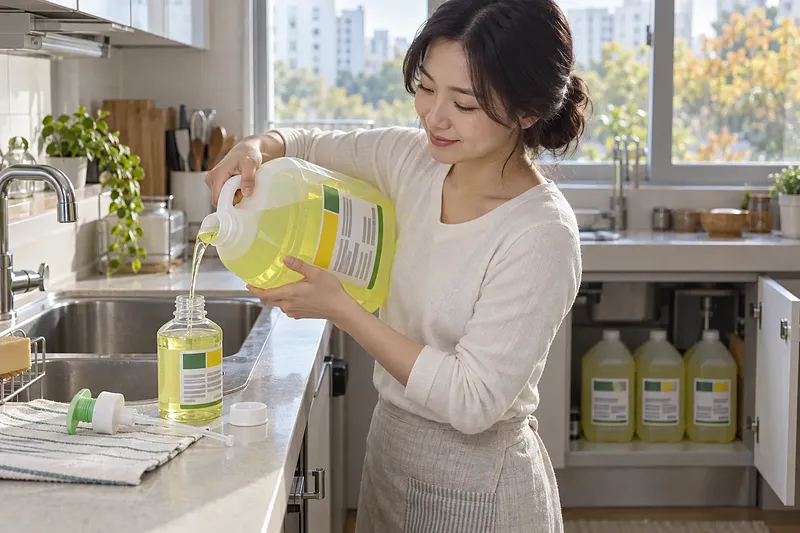
This post contains Toss Shopping ShareLink affiliate links, for which a commission is earned. Buyers weigh a 10L dish soap pack. Four 2.5L jugs are listed at ₩5,950 as of Sep 20, 2026, equal to ₩1,487.5 per jug. Volume is only part of the decision. The "highly concentrated" label does not establish the amount needed per wash or the product's cleaning power. Storage and likely consumption still determine whether four jugs are practical. The article separates fixed pack facts from details to confirm at checkout. It covers total volume and unit cost, then points buyers to the current product price, shipping fee, and selected configuration. The 4.7/5 rating from 736 reviews adds context, but it does not replace those checks. Households or workplaces with space for all four jugs and a realistic plan to use 10L should read the article before choosing this configuration. The decision then rests on usable quantity and final checkout details, not the product name alone. #DishSoap #DecisionMaking

Kidney Electrolyte Regulation and Reabsorption
Kidney handling follows body needs. Water and electrolyte excretion changes with the body's condition, so urine reflects more than filtration alone. The article separates filtration, reabsorption, and secretion. It defines reabsorption as the return of substances from the renal tubules to blood, helping readers see how the three processes shape what is excreted in urine. Hormonal control is also placed in context. Signals from the brain, adrenal glands, heart, bones, and other organs change how the kidneys process water and electrolytes. Blood electrolyte levels are presented as values regulated within normal ranges, not fixed numbers. This is a practical reference for professionals and students reviewing normal kidney function and electrolyte regulation. Read the article for the full explanation. #KidneyFunction #RenalPhysiology


Everywater Label-Free 500ml 40-Pack Price per Bottle
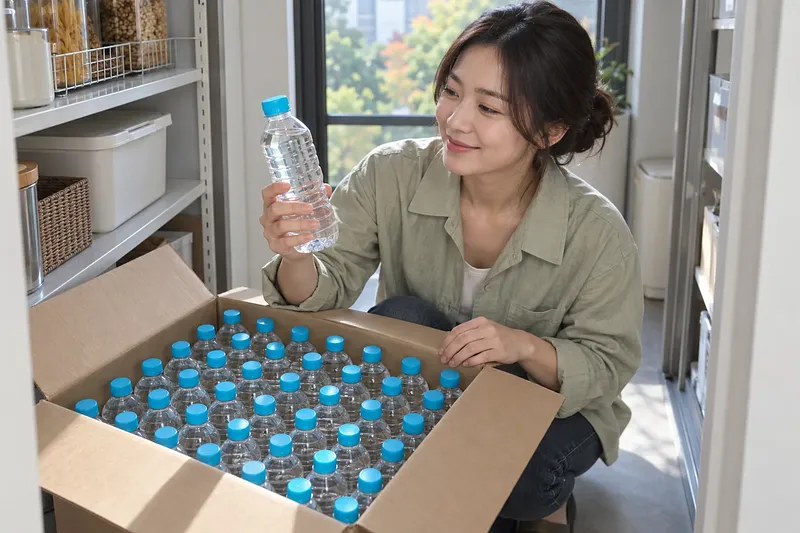
This post contains Toss Shopping ShareLink affiliate links, for which a commission is earned. The 40-pack needs a final-cost check. For Everywater, add shipping before using the unit price for a purchase decision. The listed product price is 4,400 KRW as of 2026-09-20. The article records 110 KRW per 500ml bottle as of 2026-09-18. As of 2026-09-20, the pre-discount reference is 19,800 KRW (based on the seller's listed price). That is the seller's reference price, not what another retailer charges. Keeping those prices separate helps household and workplace budgets reflect actual spending. The format matters as much as the number. Forty small bottles need storage space, and the unit price is more useful when 500ml bottles fit regular use. For regular small-bottle purchases at home or work, consider reading the article before deciding. It provides a plain check of final payment, unit cost, usual consumption, and storage needs. #DecisionMaking #FoodShopping
How to Invest Your Savings: Asset Allocation for Beginners
Loan payments reshape investment plans. Set aside living and planned expenses before deciding how much savings can remain invested. The article compares deposits, interest-rate ETFs, and TDFs by risk and withdrawal terms. This helps match each portion of savings to its time horizon and an acceptable level of loss, rather than treating all available cash the same way. It then moves to portfolio design: set stock and bond targets, start with an affordable amount, check after-tax returns against the allocation actually held, and rebalance if needed. The ₩700 million example examines the calculation behind ₩3 million per month after tax, not a guaranteed income level. Beginners managing savings alongside loan repayments or planned expenses should read the article before setting an investment amount or target allocation. #AssetAllocation #EverydayFinance