 Injoys
Social
A short written take on each piece of content: what changed and why it matters. Skim the point first, then follow through to the full article only for what interests you. Every take is drawn from real content, so the link takes you straight to the material it is based on.

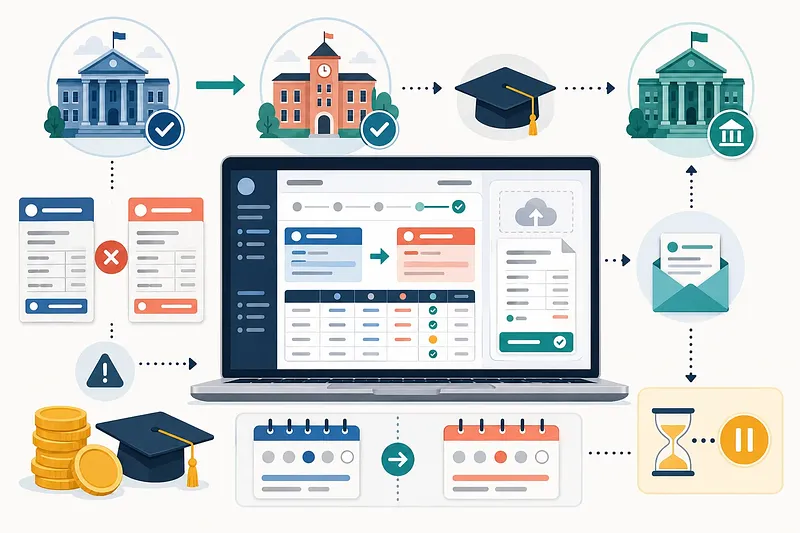
SFE applicants face a fee mismatch. Verify the course and fee with university finance before changing the SFE record. The timing matters. University or course changes made through Clearing must be reported separately to SFE as well as UCAS. Before the course starts, students can amend their university, course and Tuition Fee Loan details through their online account. The article sets out which details to confirm: course name, mode of study, academic year and the correct tuition fee. It also explains the alternative route when online changes are unavailable, including uploading a CO1 form and supporting evidence as instructed. Once the course has started, the university must send changes to the Student Loans Company. If the loan has not been processed by that point, students should ask the university to report the change and confirm whether tuition payment can be deferred. Students using SFE after Clearing, or anyone whose loan amount differs from the university’s charge, should read the correction process before choosing the next step. #StudentFinance #HigherEducation


AI teams face an Article 50 rollout. From August 2, 2026, providers and deployers have different transparency responsibilities. Treating AI labeling as one generic task can leave ownership unclear across product, compliance, and communications teams. The limited transition through December 2, 2026, applies to certain existing systems. It is not a general grace period postponing all Article 50 obligations, so rollout plans need to distinguish which systems and duties fall within it. The guide maps provider obligations for user-facing AI interaction notices and machine-readable markings on synthetic outputs. It also explains deployer obligations for visible disclosures on deepfakes and certain public-interest texts, alongside the relevant exceptions and penalty structure. This role-by-role view helps teams assign controls, documentation, and review work with greater confidence. Professionals responsible for interactive AI, synthetic content, deepfakes, or covered public-interest texts should read the article before finalizing 2026 compliance plans. #EUAIAct #GenerativeAI

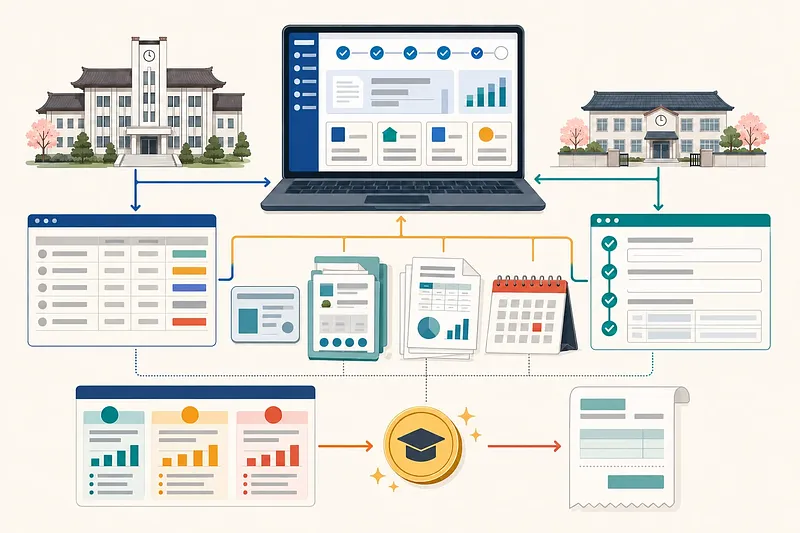
Japan Higher Education Support 2026: How to Apply
2026 support follows school schedules. Prospective students should use their high school’s reservation application schedule, while enrolled students should use the schedule published by their current school. Eligibility is not confirmed by the school name alone. Applicants need to check both the intended school and program on the education ministry’s 2026 list. After selection, they must also verify whether tuition and enrollment fee reductions require a separate application. The article presents the workflow in decision order: confirm eligibility; identify the correct schedule; prepare My Number and tax-information consent, household and asset information, and school-specified documents; complete ScholarNet and submit before the school deadline; then review the selection result and support category. This is a practical reference for prospective and enrolled students considering non-repayable grants and fee reductions in 2026. Read the article before organizing the school application. #HigherEducation #TuitionSupport

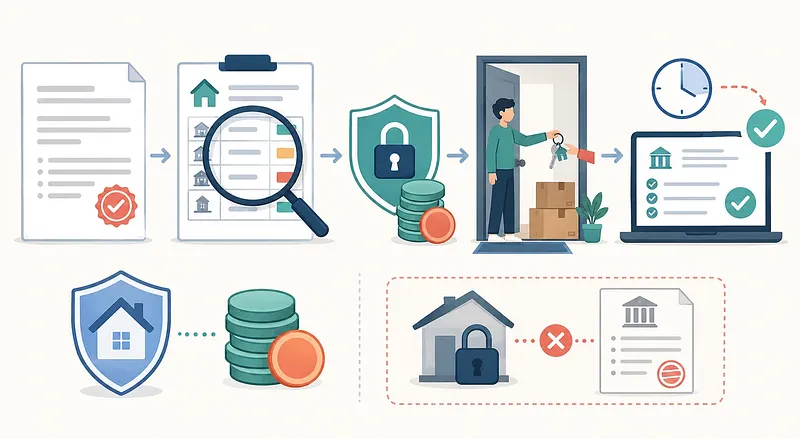
Renters weigh the lease closing order. A fixed date, registry review, balance payment, possession, and move-in registration do not happen as one step. Their order matters when assessing when opposability and preferential repayment rights take effect. The article lays out the sequence: obtain a fixed date after signing, or file the lease agreement if reporting applies; use official guidance to determine when to review the property registry again; pay the balance as the keys and actual possession are transferred; then register the move that day through Government24 or a community service center. It also highlights an important follow-through point for online filings: confirm that processing is complete and check whether confirmation by the head of household is required. The guide also addresses cases where the deposit on a previous home remains unpaid. Housing lease tenants preparing for handover, especially those still waiting for a previous deposit, can read the article to review the sequence before moving day. #HousingLease


Residents can benchmark K-apt fees. A useful review separates the bill into common management fees, individual usage charges, and monthly long-term repair reserve assessments before evaluating the total. Looking only at one month can make a seasonal change appear unusual. The article shows how to compare the selected billing month with the previous month and the same month a year earlier, helping distinguish recurring patterns from one-time increases or decreases. It also explains three benchmarks: a one-to-one comparison with a specific complex, a one-to-many comparison with similar complexes, and regional averages. Per-area amounts make differences easier to assess across multi-unit housing under similar conditions. The article also clarifies why the latest data may not yet appear. Residents reviewing a complex searchable by address or name should read the walkthrough first. It covers when to cross-check large differences against the bill and management office records, and what to ask about the calculation. #HousingCosts #ApartmentFees

Good Debt vs Bad Debt: Cash Flow Test
Debt quality starts with net cash flow. For professionals evaluating a leveraged asset or acquisition, the central question is not simply what the borrowed money buys. It is whether net cash flow after expenses can cover principal and interest while allowing the borrower to withstand downside. The article provides a practical framework for that decision. It distinguishes revenue from cash available for repayment, explains why an income-generating asset can still represent bad debt, and highlights the effects of falling collateral values and personal guarantee obligations. A stock-secured loan may preserve ownership initially, but a decline in collateral value can create forced-sale risk. It also addresses consumer balances. Consumption debt is generally repaid from earned income, while credit card balances can be approached with the snowball or avalanche method. Business buyers, borrowers considering stock-secured loans, and people reviewing card balances should read the article before classifying a loan by purpose alone. #EverydayFinance #Loans