 Injoys
Social
A short written take on each piece of content: what changed and why it matters. Skim the point first, then follow through to the full article only for what interests you. Every take is drawn from real content, so the link takes you straight to the material it is based on.


June 2026 heat data can look confusing: Western Europe set a June record, while the globe ranked second-hottest for June. Both can be true because regional and global rankings use different averages. The article also explains why humidity, warm seas, and nighttime lows matter for real heat risk. #HeatWave


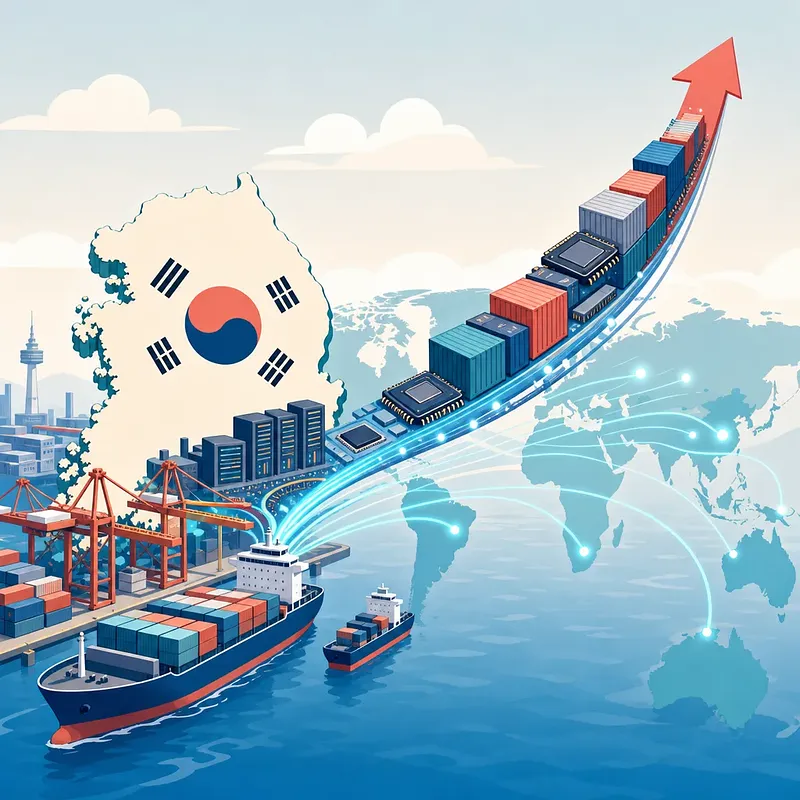
South Korea’s June exports passed $100B for the first time, reaching $102.25B—up 70% year over year. Semiconductors and computers made up about half the total, while cosmetics, biohealth, ships, and steel also grew, pointing to a broader export base. #KoreanExports

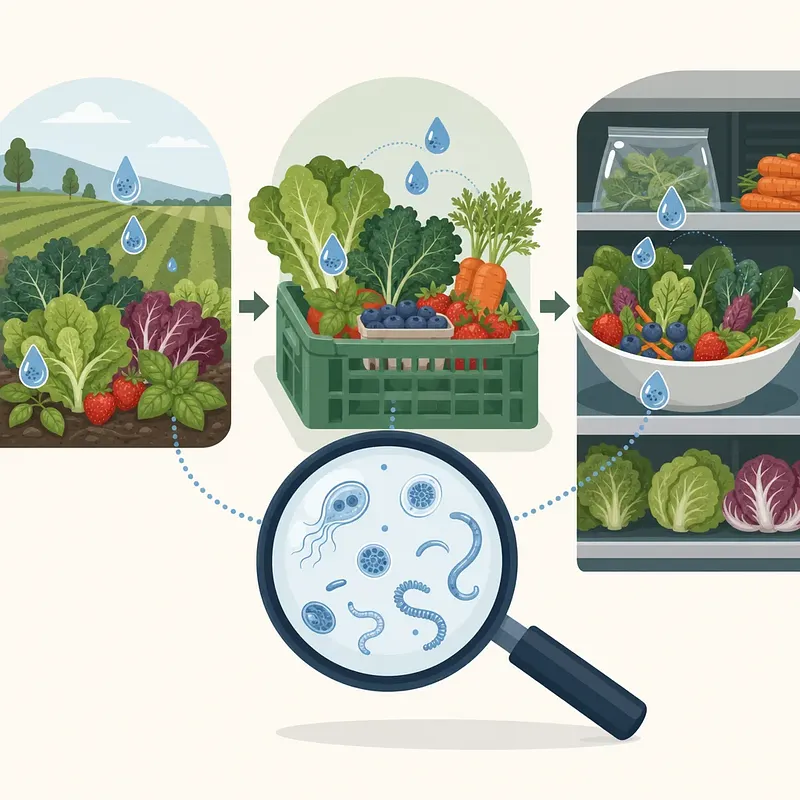
Cyclosporiasis reports can be hard to interpret when state alerts, FDA investigations, and CDC surveillance update on different timelines. This article explains what Cyclospora is, why fresh produce risk is complex, and why prevention messaging should focus on hygiene, recalls, and symptoms until a source is confirmed. #Cyclosporiasis
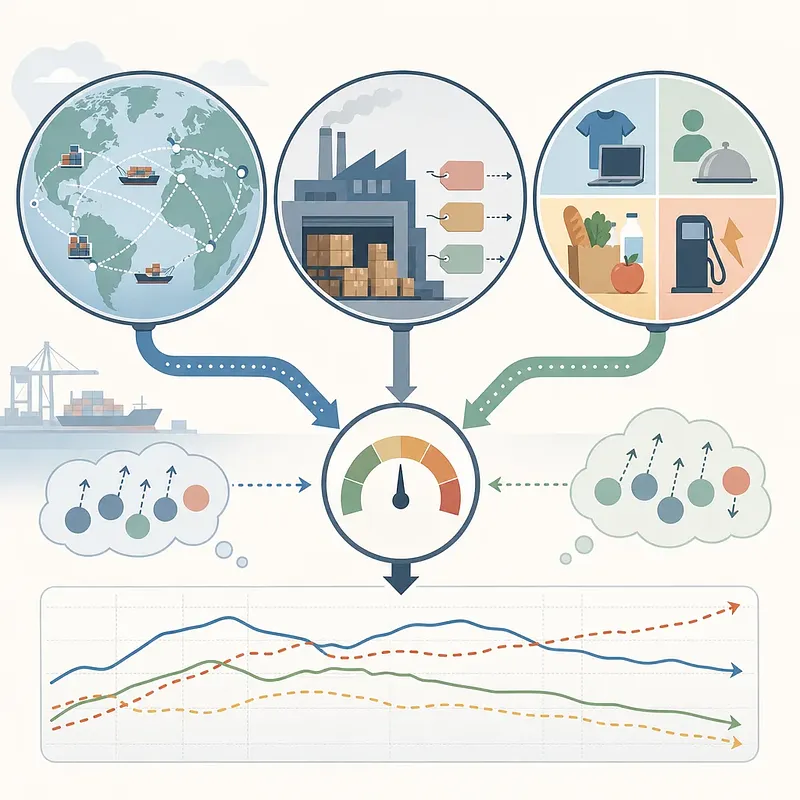
Tariff-driven inflation is not just about whether import prices rose once. The bigger question is whether those costs keep spreading. This article connects the IMF outlook, New York Fed tariff pass-through research, and June CPI to show why services, expectations, wages, and corporate pricing plans matter as much as the headline number. #Inflation


The EU AI Act’s 2026 implementation date is closer than it looks. This guide breaks down what providers of general-purpose AI should review now: technical documentation, copyright policies, training-data summaries, downstream information, plus labeling and cybersecurity duties for higher-risk models. #AIRegulation

Quantifying the Actual Cost of Attending the 2026 World Cup and the Risks of Extreme Heat
Planning for the 2026 World Cup means looking beyond the ticket face value. The real budget includes resale markups, platform fees, travel, lodging, exchange rates, and even heat-related delays or safety needs. Host cities will be tested on transit, accessibility, and climate readiness too. #SportsData