 Injoys
Social
A short written take on each piece of content: what changed and why it matters. Skim the point first, then follow through to the full article only for what interests you. Every take is drawn from real content, so the link takes you straight to the material it is based on.

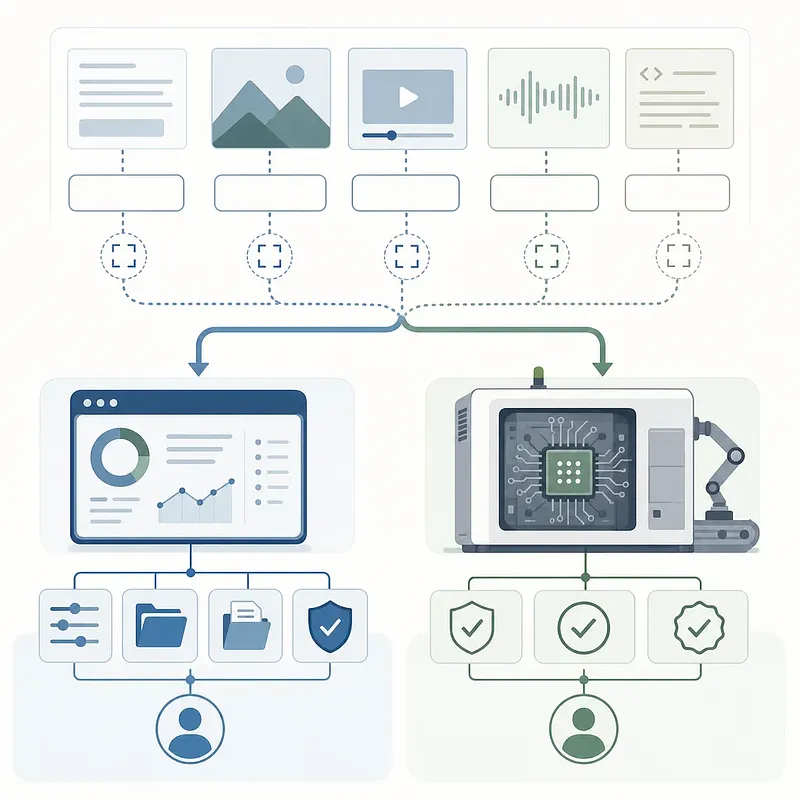
EU AI Act sets Aug. 2, 2028 for embedded AI. Standalone high-risk AI has a Dec 2, 2027 date. Because the schedule now splits by system type, identifying the category keeps compliance planning tied to the right timeline. The article also explains the Aug 2, 2026 transparency duties for chatbots, AI-generated content, and deepfakes, plus which harmful uses should be treated as prohibited rather than resolved through disclosure. Companies preparing under the EU rules can read the full breakdown. #EUAIAct #AICompliance


Foreign issuers are noticing panda bonds. Lower Chinese rates can reduce interest expense compared with major dollar markets. The coupon is not the full cost. Hedging, transfer rules, taxes, credit ratings and liquidity can change the funding calculation, while yuan appreciation may increase the repayment burden. The article is relevant to foreign governments, corporations and financial institutions considering yuan debt issuance in mainland China. Read it before comparing funding routes. #PandaBonds #BondMarket


Eligibility Requirements and Return on Investment for the 2026 Youth Future Savings Account
Young savers weigh Youth Future against investing. Holding a Youth Leap Account restricted enrollment, while approved switching was limited to the initial 2026 enrollment period. The article compares up to ₩500,000 in monthly deposits for three years, 6% or 12% government contributions, and tax-free interest with the risk and tax trade-offs of the investment-focused alternative. It is relevant to applicants categorized by income, revenue, employment at a small or medium-sized enterprise, or small-business status. Read the article to compare both paths. #YouthFinance


Some online “games” may actually function like illegal gambling—especially when money is staked and chance determines the result. The risks are not limited to operators; even participation can raise legal concerns under Korean law. Check the article for common warning signs, high-risk game types, penalties, and why teenagers need extra protection. https://injoys.com/en/articles/variant-gambling-games-risks-and-penalties-korea


Won-dollar trading changes on July 6. Trading will continue across domestic public holidays, but the 24-hour system does not cover every won-denominated transaction. Brokered spot won-dollar trades will run from 6:00 a.m. Monday to 6:00 a.m. Saturday under New York Daylight Time. The article clarifies the unchanged currency pairs, MSCI context, and nighttime liquidity, surveillance, settlement, and infrastructure risks. The change applies to brokered spot won-dollar trading; weekends and January 1 remain excluded. Read the full analysis for the scope and implications. #ForeignExchange #WonDollar

Will the Ebola Response in Bundibugyo Accelerate? The Significance of the WHO’s First Emergency Use Listing of a Diagnostic Test
Can the first listed test speed Ebola response? Experience centered on Zaire Ebola virus does not transfer directly to Bundibugyo virus. The July 2, 2026 Emergency Use Listing can build confidence in the molecular test and support faster procurement, case confirmation, isolation, and contact tracing. The article also shows why supplies, transport, laboratories, trained staff, and personal protective equipment remain essential. It applies to Bundibugyo response planning in low-income countries and across borders. Read the article for the capabilities and gaps behind the listing. #Ebola #GlobalHealth