 Injoys
Social
A short written take on each piece of content: what changed and why it matters. Skim the point first, then follow through to the full article only for what interests you. Every take is drawn from real content, so the link takes you straight to the material it is based on.

1.25% BOJ rate can raise costs for borrowers. On September 18, 2026, the Bank of Japan raised its short-term target to around 1.25% per year. Rates cannot add oil supply, but they can keep cost increases from spreading. The article compares the Fed's 3.75%-4.00% range on September 16 with Korea's 3.00% base rate after July-August hikes. It explains why rates alone cannot set currency or stock direction. The scope is three major economies from July to September 2026. Read the article for the reasoning behind each move. #InterestRates #GlobalEconomy
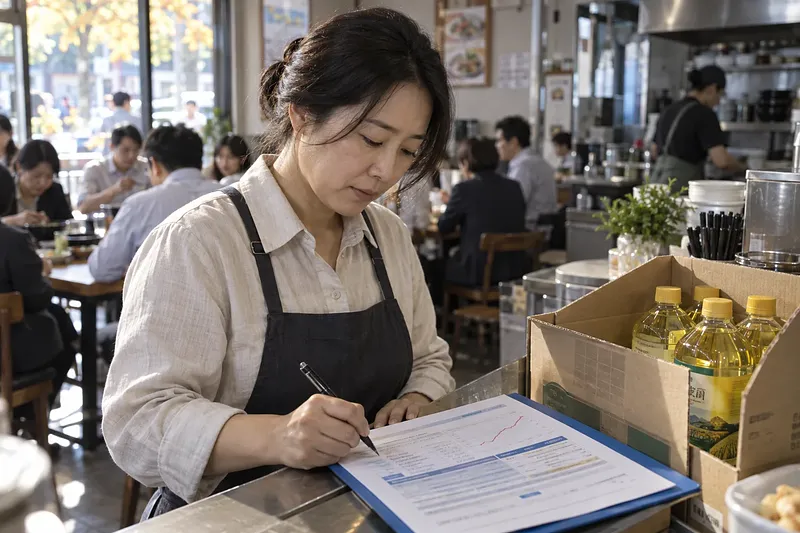
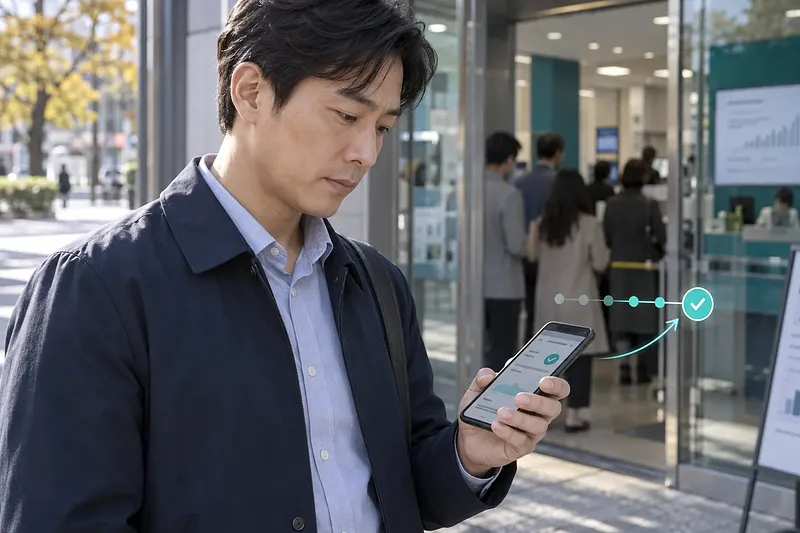
Growth Fund sales open at 24 distributors. Each distributor may use a different subscription and income-verification process. The article shows what to check before choosing one: the dedicated account, low-income allocation criteria, income deduction limit, and 5-year early-redemption rule. It also explains how to confirm your money was actually invested. For South Korea's Round 2, sales run from September 30 through October 15, 2026, on a first-come basis. Read it before selecting a distributor and investment amount. #Investment #EverydayFinance


Ilyang Our Family Multivitamin, 60 Count x 2 Price
This post contains Toss Shopping ShareLink affiliate links, for which a commission is earned. Does Ilyang vitamin include two 60-piece packs? Yes, 120 apple-flavored pieces in total. As of 2026-09-23, the set is 4,990 KRW, about 41.58 KRW per piece, so the basket is easier to compare. The 30,000 KRW (based on the seller's listed price) figure is only the discount basis; the article also separates the 4.7/5 rating from fit and lists ingredient, intake, expiry, and shipping checks. This applies to buyers who need 120 pieces and find the intake instructions suitable. Read the article before deciding. #Multivitamin #DecisionMaking

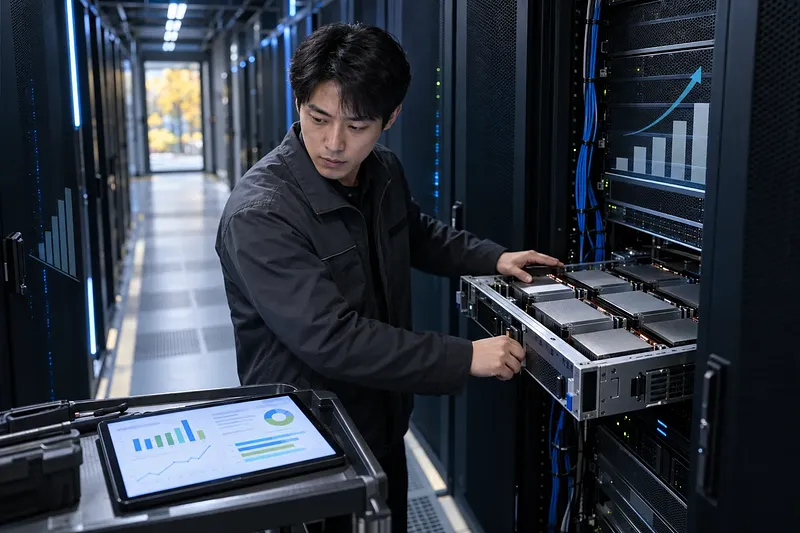
Meta chip savings require service cost checks. Actual deployment and operating costs must be checked by service before the savings can be assessed. The article connects that test with Muse and Meta One payment paths, paid conversion, and advertising monetization. This gives investors a firmer way to read the September 2026 rebound. It applies to investors assessing Meta's consumer artificial intelligence case. Read the analysis for the figures and conditions behind the revenue case. #PlatformBusiness #InvestorPsychology

Battle of Salsu 612: Eulji Mundeok's Strategy
The 612 Salsu victory halted one campaign. It did not end the Sui dynasty's later invasions, a distinction that short summaries can miss. The article shows how Eulji Mundeok scouted under the guise of surrender, drew Sui onward, and struck the rear guard during a river crossing. It also explains what the 305,000 and 2,700 figures each count and how the records relate to the flood theory. This applies to the Goguryeo-Sui battle in the seventh lunar month of 612. Read the article for the sourced sequence. #Goguryeo #HistoricalInterpretation

KOMSCO Revenue Hits 638.6 Billion Won: Growth Drivers
KOMSCO targets ₩1 trillion in revenue by 2031. That is an 80th-anniversary management goal, not the 2025 result. The article separates reported revenue of ₩638.67 billion from the announced ₩639.5 billion, then keeps 17 million Digital Onnuri subscribers distinct from revenue or paying users. It also distinguishes about ₩1.6 billion in 2025 currency merchandise revenue from the ₩5 billion 2026 forecast. The article covers KOMSCO's 2025 performance and new-business outlook. Read the article for the figures in context. #KOMSCO #PlatformBusiness