Injoys
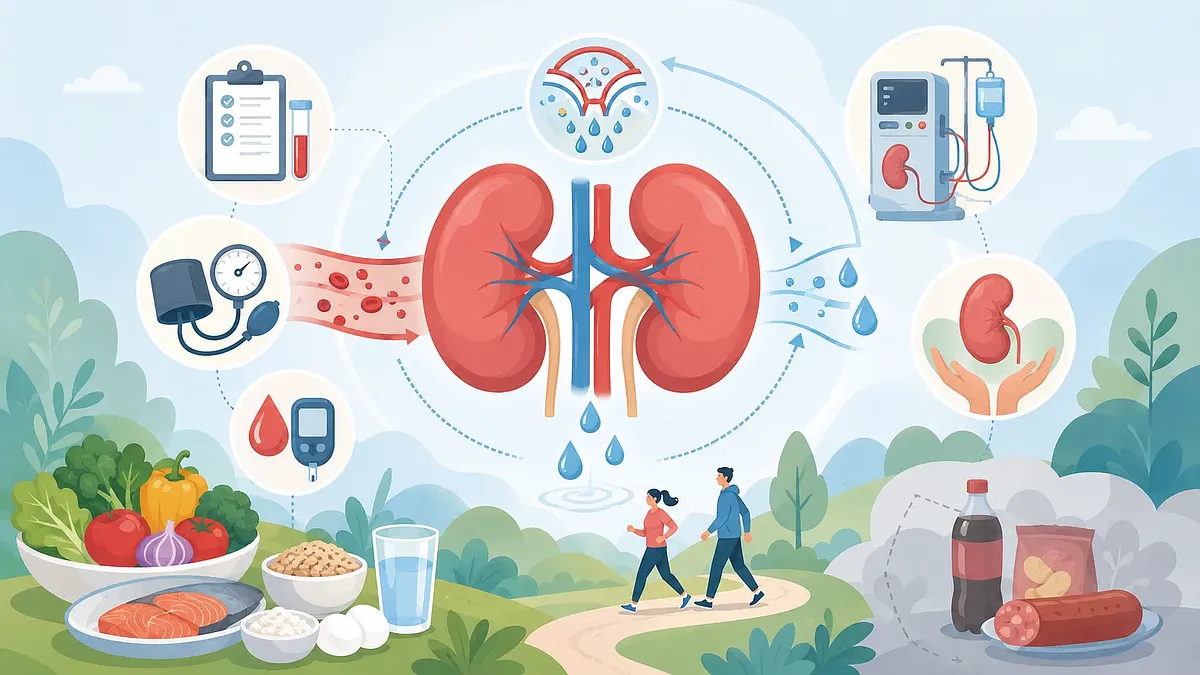
The kidneys filter waste products and excess fluid from the blood and excrete them as urine; they also play a role in regulating blood pressure, electrolyte and acid-base balance, and anemia. The problem is that there are often no obvious symptoms until kidney function has significantly declined. Therefore, the key to kidney health is not “treatment after symptoms appear,” but rather slowing the rate of damage through blood pressure management, blood sugar control, urine tests, and dietary habits.
This article provides general health information. If you already have chronic kidney disease, diabetes, high blood pressure, heart failure, edema, are on dialysis, or are awaiting a transplant, adjustments to your diet, fluid intake, exercise, and medications must be made in accordance with the instructions of your nephrologist and clinical dietitian.
Key Definition: What Is Chronic Kidney Disease?
Chronic kidney disease generally refers to a condition in which reduced kidney function or evidence of kidney damage persists for at least three months. Key indicators include the estimated glomerular filtration rate (eGFR), calculated through blood tests, and albuminuria and proteinuria, detected through urine tests.
| Indicator | Meaning | Why It Is Important |
|---|---|---|
| eGFR | An estimate of how much blood the kidneys filter over a given period of time | The lower the value, the more severe the decline in kidney function. |
| Albuminuria/Proteinuria | A condition in which protein leaks into the urine | An important sign of kidney damage, even if eGFR is still within normal range. |
| Hematuria | Blood in the urine or the microscopic presence of red blood cells | Requires investigation for glomerular disease, kidney stones, infection, tumors, etc. |
| Creatinine | A byproduct of muscle metabolism used to calculate eGFR | Important for determining medication dosages, contrast agent use, and disease monitoring. |
The Leading Causes of Kidney Damage: High Blood Pressure and Diabetes
The glomeruli, which act as the kidneys’ filtration units, are clusters of tiny blood vessels. Prolonged high blood pressure exerts continuous pressure on the glomerular blood vessels, while diabetes damages the glomeruli and blood vessels through hyperglycemia and metabolic abnormalities. The Korean Society of Nephrology identifies diabetes and hypertension as the two major causes of chronic kidney disease, explaining that more than 70% of all patients are affected by these two conditions.
Crucially, hypertension and diabetes create a vicious cycle. As kidney function deteriorates, it becomes more difficult to control blood pressure, and as blood pressure rises further, kidney damage accelerates once again. Therefore, managing kidney health is not simply a matter of “whether or not” to take blood pressure or diabetes medication; it is a long-term strategy that involves managing blood pressure, blood sugar, proteinuria, body weight, and dietary habits together.
People Who Need Testing in Particular
If you fall into any of the following categories, you should consider regular testing for serum creatinine/eGFR, urine albumin-to-creatinine ratio, or proteinuria, even if you have no symptoms.
- Hypertension, diabetes, obesity, or advanced age
- Family history of chronic kidney disease
- Recurrent hematuria, proteinuria, kidney stones, or urinary tract infections
- Long-term use of nonsteroidal anti-inflammatory drugs (NSAIDs) or exposure to nephrotoxic medications
- Previous health screenings that identified reduced eGFR, proteinuria, or hematuria
Dietary Principles for Kidney Health
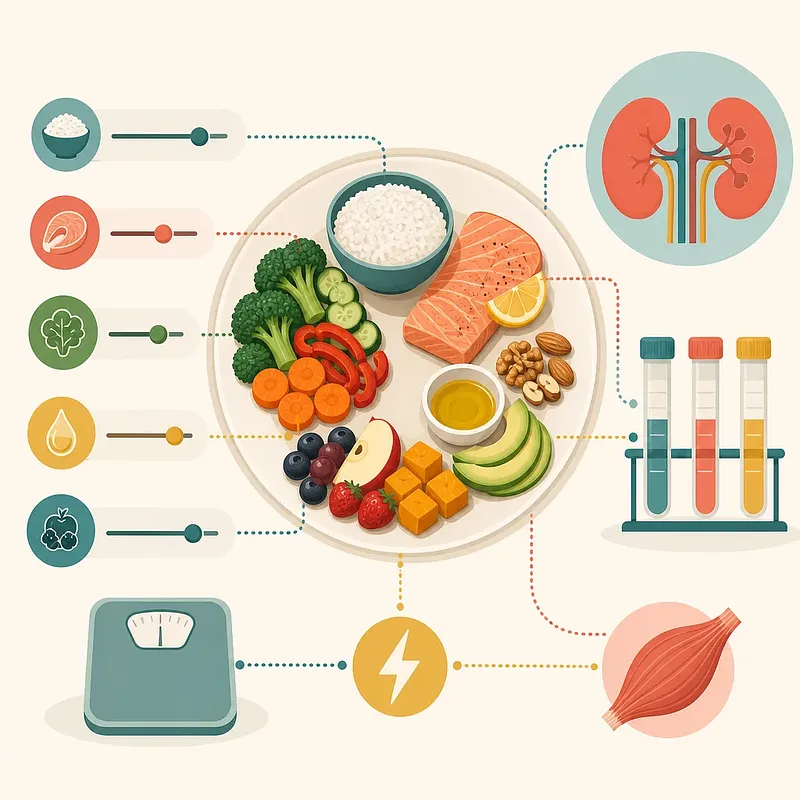
A kidney-healthy diet is not a special secret recipe but rather a matter of following basic principles. It involves eating less salt, reducing foods that cause rapid spikes in blood sugar, choosing natural foods over processed ones, and adjusting protein, potassium, phosphorus, and fluid intake according to the individual’s stage of kidney disease.
| Dietary Element | General Guidelines | Points to Note |
|---|---|---|
| Salt/Sodium | Reduce consumption of soups, instant noodles, fermented seafood, pickled vegetables, processed meats, and sauces. | If you’re accustomed to salty flavors, it’s easier to stick with the plan if you cut back gradually rather than quitting abruptly. |
| Carbohydrates | Reduce rapidly absorbed sugars found in sugary drinks, snacks, white bread, and sweetened coffee beverages. | If you have diabetes, you’ll need to adjust your carbohydrate intake based on your blood sugar targets and medication. |
| Phosphorus Additives | Check the ingredient lists of cola drinks, some processed meats, processed cheeses, instant foods, and certain powdered beverages and coffee mixes. | If you see “phos,” phosphoric acid, phosphates, or similar terms, it’s best to reduce your intake of these items. |
| Protein | Adjust your protein intake—neither too little nor too much—based on your kidney disease stage and whether you are on dialysis. | Protein requirements differ between pre-dialysis and dialysis patients. |
| Potassium | Active restriction is necessary only when blood potassium levels are high. | Completely banning fruits and vegetables can reduce the quality of your diet. Blood tests should serve as the guide. |
Why Are Phosphorus Additives a Problem?
Phosphorus is a mineral necessary for bone and cellular function, but when kidney function declines, it becomes difficult to excrete, which can cause blood phosphorus levels to rise. In particular, phosphates added to processed foods are absorbed more readily than phosphorus found in natural foods. Even “zero-calorie” beverages—such as cola-type drinks containing phosphoric acid—require caution regarding phosphorus intake, regardless of their sugar-free benefits.
The solution is simple: check the ingredient list for terms like “phosphate,” “acidity regulator,” “phosphates,” “phosphoric acid,” “sodium phosphate,” or “disodium phosphate,” and replace frequently consumed processed foods with less-processed options such as raw meat, fish, egg whites, tofu, vegetables, and fruits. However, if you already have hyperkalemia or hyperphosphatemia, your selection of vegetables, fruits, and legumes should be tailored to your individual needs.
Common Misconceptions and Facts About Diets for Kidney Disease
In the past, patients with kidney disease were often told they had to “strictly avoid salt, protein, water, fruits, and vegetables.” However, excessive restrictions can lead to loss of appetite, malnutrition, muscle loss, and a reduced quality of life. The goal is not an absolute ban, but rather adjustments tailored to test results and the stage of the disease.
| Misconception | Fact |
|---|---|
| If you have kidney disease, you must completely eliminate protein. | While protein restriction may be helpful in some stages of chronic kidney disease before dialysis, consuming too little can lead to malnutrition and muscle loss. |
| Once dialysis begins, protein intake must continue to be reduced. | Protein loss occurs during dialysis, so you may actually need more protein. |
| Drinking lots of water will flush your kidneys out. | Fluid requirements vary depending on kidney function, urine output, edema, heart condition, temperature, and physical activity level. |
| Foamy urine always indicates a serious illness. | Temporary foaming is common, but if foamy urine persists even after urinating or recurs frequently, a proteinuria test is necessary. |
| You shouldn’t exercise if your kidneys are weak. | In most cases, moderate aerobic exercise helps manage blood pressure, blood sugar, and weight. However, if your condition is unstable, you should consult a doctor before starting. |
How to Realistically Assess Protein Intake
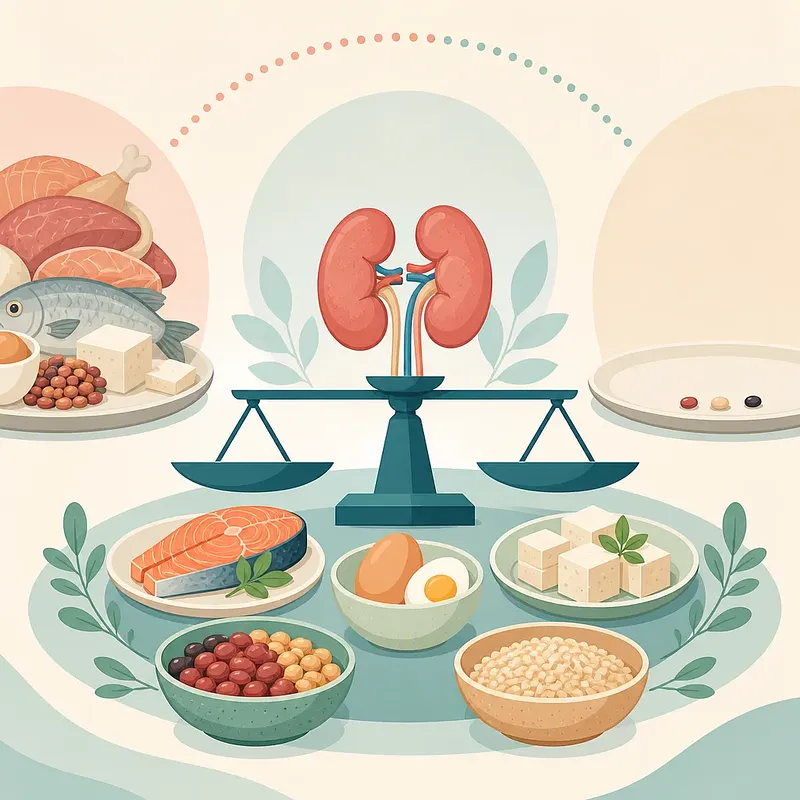
International nutritional guidelines recommend a low-protein diet under medical supervision for adults with stable Stage 3–5 chronic kidney disease (CKD) who have not yet started dialysis. For non-diabetic chronic kidney disease, the recommended range is approximately 0.55–0.60 g per kilogram of body weight per day, while for chronic kidney disease with diabetes, it is approximately 0.6–0.8 g/kg/day. Conversely, during maintenance hemodialysis or peritoneal dialysis, a level of 1.0–1.2 g/kg/day may generally be required.
For example, if a 60-kg adult is on a 0.6 g/kg/day regimen in the pre-dialysis stage, their daily protein intake would be approximately 36 g. Since one egg provides roughly 6–7 g of protein and 100 g of cooked lean meat provides roughly 20–30 g, it is safer to calculate the total daily intake and choose foods accordingly rather than simply saying, “Not even a single piece of meat.”
Egg whites are rich in high-quality protein, while egg yolks contain relatively high levels of phosphorus. Patients with high blood phosphorus levels or those requiring phosphorus restriction must also limit their intake of egg yolks, dairy products, processed meats, and cola beverages. However, any dietary restrictions—including those on eggs—should be determined based on blood test results and meal portions; imposing excessive restrictions on patients with a poor appetite can be harmful.
Water Intake: Neither Too Much Nor Too Little—Just “What’s Right for Your Condition”
Water is essential for kidney health, but simply drinking large amounts does not guarantee the recovery of kidney function. Healthy adults can naturally adjust their fluid intake based on climate and activity level; however, fluid restriction may be necessary if chronic kidney disease has progressed to the point of causing edema, reduced urine output, or heart failure.
Conversely, if a person who produces plenty of urine and is at risk of dehydration restricts their water intake excessively, renal blood flow may decrease, increasing the risk of dizziness, constipation, and kidney stones. The practical guideline is to monitor thirst, urine output, edema, weight changes, blood pressure, and blood test results together.