 Injoys
Social
A short written take on each piece of content: what changed and why it matters. Skim the point first, then follow through to the full article only for what interests you. Every take is drawn from real content, so the link takes you straight to the material it is based on.

1651 saw the Hoseo Daedong Law begin. Chungcheong's initial annual rate was 10 du of rice per gyeol, a unit of land area. Kim Yuk's 1638 proposal had not led to implementation. After Hyojong's accession, supportive officials joined the effort despite concerns about revenue shortfalls. The annual assessment was split into 5 du in spring and 5 du in autumn. Revenue was intended to cover local expenses, with the remainder sent to the central government. These details help readers distinguish the basis for taxation from the plan for distributing the revenue. For readers studying Joseon public finance, the article separates the 1651 implementation decision from the detailed rules refined in 1654. Read the account to trace Kim Yuk's role without applying the later 12 du rate to Chungcheong's initial implementation.

18:10 was conditional for festival fans. Walk-in entry on Oct 24, 2026 depended on remaining capacity, not arrival time alone. For the Seoul Music Festival at Nodeul Island, the published guidance allowed entry without a reservation from 18:10 onward only if space remained. The time was an entry option, not an assurance of admission. The article distinguishes that condition from the advance-reservation process. Reservation holders needed a mobile ticket and ID, with wristband collection scheduled from 12:00. These were separate entry routes with different requirements. It also compares the main performance, scheduled for 17:00-21:00, with Seoul City's online broadcast window of 16:45-20:30. All times are in South Korea. The broadcast was not scheduled to cover the full show. For visitors comparing reserved and walk-in access, read the article for the published entry conditions alongside the viewing schedule.


Weekend catch-up sleep benefits and recovery guidelines
Adults shift sleep timing on days off. That gap is called social jet lag; recovery involves reviewing timing as well as total sleep. Weekend catch-up sleep can help temporary sleep loss, but it is unlikely to undo all the effects of repeated short nights. CDC's 2024 guidance recommends at least 7 hours of sleep a day for adults aged 18-60, a baseline for reviewing weekday sleep. Short naps can help daytime alertness. If sleeping at night is difficult, nap habits may need adjustment. Breathing and reflux symptoms also need to guide sleep-position choices. Adults balancing shorter weekday nights with weekend recovery can read the article to assess both sleep duration and timing, with guidance on the conditions that affect naps and sleeping positions.

Napa Cabbage Kimchi: Packaged and Restaurant Origin Labels
Restaurants must label kimchi origins. For napa cabbage kimchi, that means the origins of the cabbage and chili powder. A product's place of manufacture is separate from its ingredients' origins. 'Made in Korea' does not mean every ingredient is Korean. In agricultural product origin labeling, 'Korean origin' and 'domestic origin' can be used interchangeably. For packaged kimchi made in Korea with chili powder, labels must give the origins of the top two ingredients excluding chili powder and salt, plus the origins of both. Without chili powder, labels must give the origins of the top two ingredients excluding salt, plus the salt's origin. This distinction helps buyers compare ingredient sources rather than rely on the manufacturing location. Restaurant operators serving napa cabbage kimchi and buyers of kimchi made in Korea can use the article as a guide when checking origin labels.

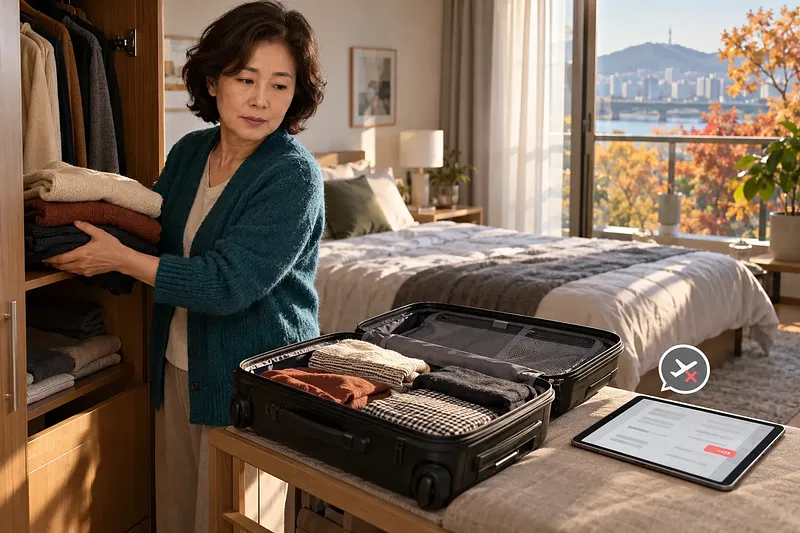
AI users still face refund limits. For online purchases in Korea, refunds depend on cancellation grounds and the restrictions that apply. Payment tokens reduce exposure of card information. They do not prevent misunderstandings about purchase terms, and clicking approval alone does not establish liability for every dispute. The article separates card protection from purchase obligations using Korean cancellation rules and a hypothetical flight-ticket example. Cancellation losses differ by 250,000 won between the two fares in that example, making the financial effect of different terms concrete. For people using AI to make purchases in Korea, keeping the AI instructions, approval screen and actual order details together makes the request easier to compare with the resulting purchase. Read the article for the checks to consider before delegating a payment.

AI Agent Payments in Korea: 2026 Commercial Use Criteria
AI agent rollouts need spending caps. Registering an agent is separate from user approval and enforcing payment limits. The GOAT Network and Squaretech partnership is at the exploration stage in Korea. An MOU or event demonstration alone does not establish that payments work at regular merchants. Supported assets and chains matter, alongside evidence that merchants receive funds and the conditions for refunds. These checks help assess practical use rather than infer availability from an announcement. The partnership was reported on October 20, 2026, while GOAT Network's original post currently displays October 22, 2026. The October 14, 2026 disclosure confirms RN2 Technologies became Squaretech. For teams assessing this Korean partnership, the article lays out the legal and payment-use criteria to review before treating it as a commercial option.