 Injoys
Social
A short written take on each piece of content: what changed and why it matters. Skim the point first, then follow through to the full article only for what interests you. Every take is drawn from real content, so the link takes you straight to the material it is based on.

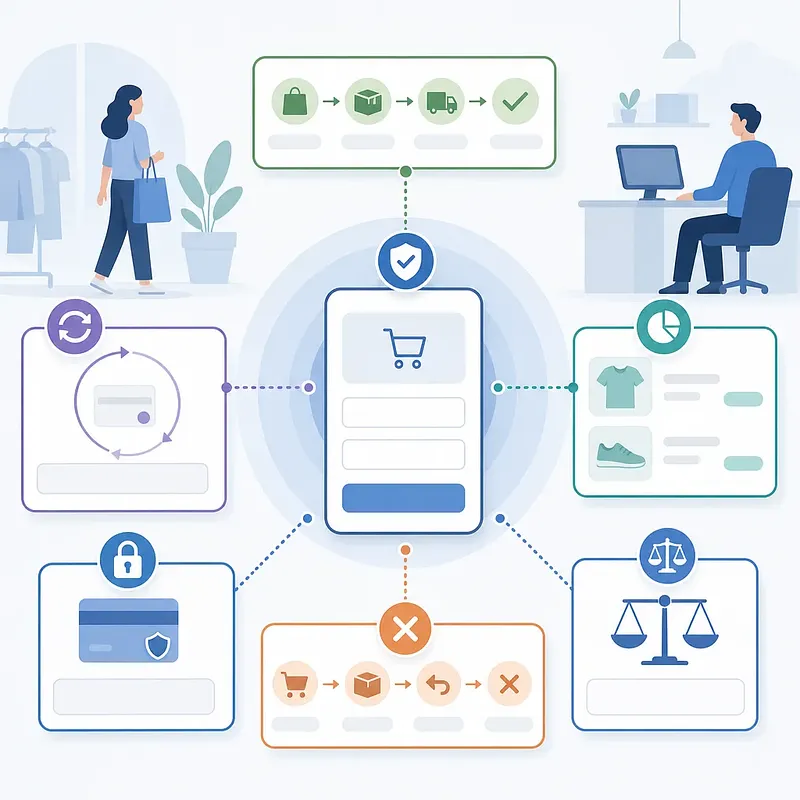
AI tools can speed up payment feature development, but payment security and reliability depend on decisions made before coding begins. This article outlines why a payment feature should be treated as an operational system, not just a card authorization function. Teams need shared definitions for order statuses, clear refund and cancellation policies, safeguards against duplicate payments, and customer-facing flows that do not obscure cancellation or refund procedures. For e-commerce services in South Korea, the article also points to key legal considerations such as the consumer’s right to cancel, refund processing deadlines, delayed refund interest, and dark pattern regulation risk. Read more : https://injoys.com/en/articles/ai-payment-feature-7-core-decisions #AIDevelopment #PaymentSystems #EcommerceLaw
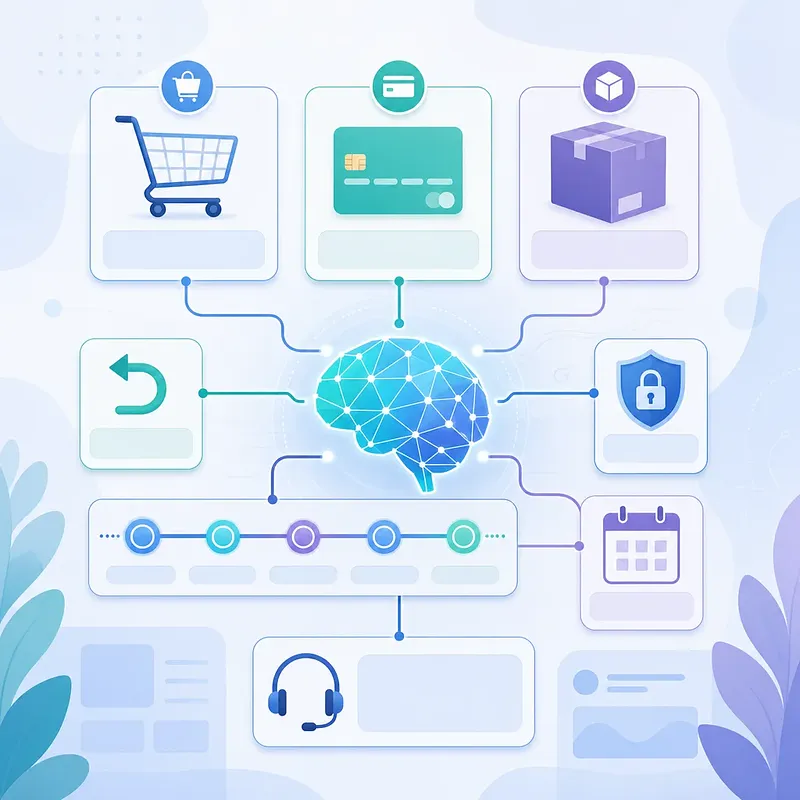
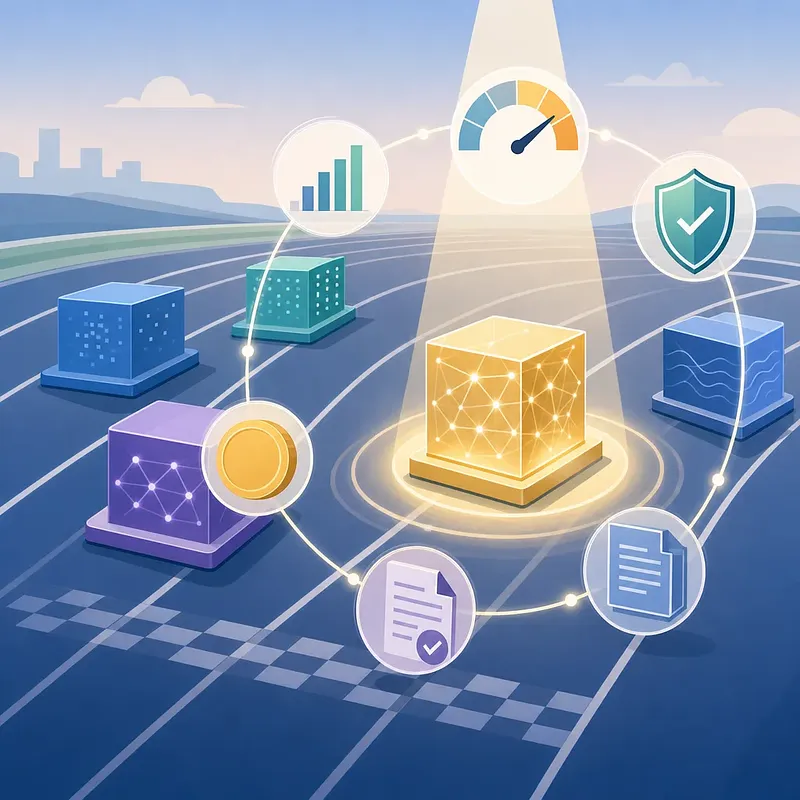
Elon Musk's Changing View of Anthropic: From Criticism to Recognition of Its Technical Capabilities
Elon Musk’s reported change in tone toward Anthropic—from strong criticism to recognition of its technical capabilities—offers a useful case study in how frontier AI competitors are evaluated. The key point is not simply whether Anthropic is “leading,” but how leadership should be assessed. Public remarks can influence perception, but model quality depends on multiple dimensions: reasoning, coding, multimodality, safety, cost, latency, and enterprise adoptability. The article also highlights the need to verify model or product names such as “Mytos” and “Fable” against original sources before drawing firm conclusions. Read more : https://injoys.com/en/articles/elon-musk-anthropic-stance-change #AI #Anthropic #Claude

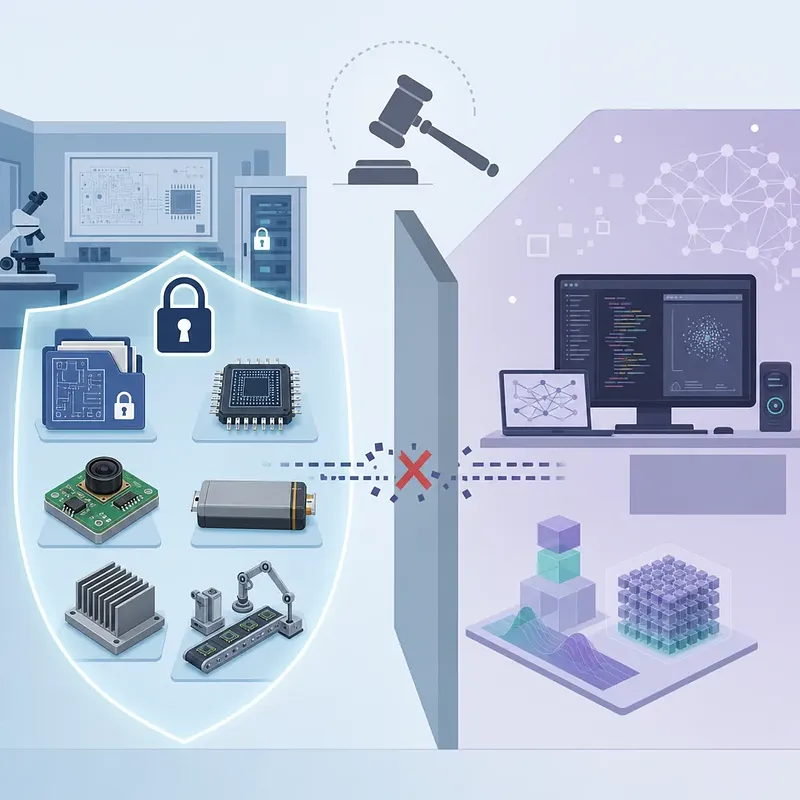
Apple’s reported trade secret dispute with OpenAI raises important questions for companies competing in AI hardware. The central issue is not simply whether employees moved between companies. For a trade secret claim to stand, Apple would need to show that the disputed design and manufacturing information was identifiable, confidential, economically valuable, protected through reasonable measures, and improperly obtained or used. This matters because AI hardware brings together model development, device design, sensors, and manufacturing supply chains—expanding the scope of intellectual property risk beyond traditional software competition. Read more : https://injoys.com/en/articles/apple-openai-trade-secret-dispute-ai-hardware #TradeSecrets #AIHardware #TechDisputes

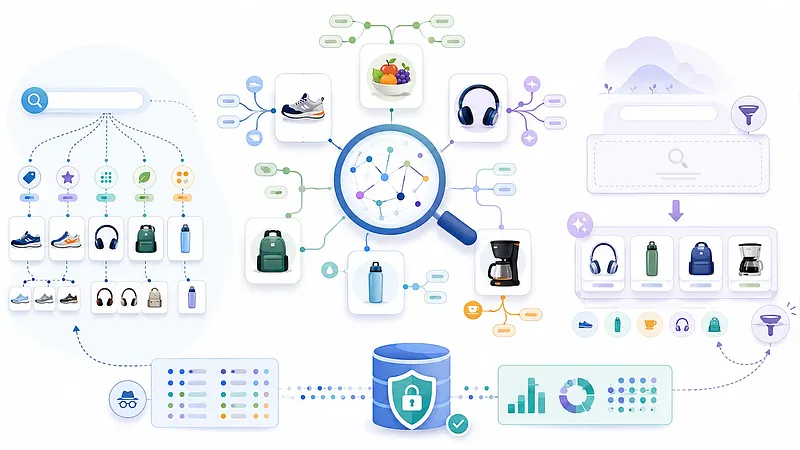
AI can accelerate the development of an e-commerce search engine, but it cannot decide your operating policy for you. Before implementation, teams need documented rules for ranking products, separating ad impressions from organic results, handling product statuses consistently, and preserving URL and Back button behavior across pagination, Load More, or infinite scroll. This article explains five practical policies to set before development, including search scope design and privacy-aware logging. Useful for product, operations, and engineering teams aligning on search behavior before testing begins. Read more : https://injoys.com/en/articles/five-policies-before-ai-ecommerce-search-development #Ecommerce #AI #SearchUX

Chairman Choi Tae-won’s comments on SK Hynix as a long-term holding point to a broader industry question: how much can AI structurally change demand for memory semiconductors? The article examines the investment rationale linked to HBM, server DRAM, high-performance memory, and AI data center expansion. It also emphasizes why long-term growth narratives must be weighed against the cyclical nature of memory: pricing swings, oversupply, customer capex adjustments, technology transitions, valuation, earnings, cash flow, and portfolio exposure. This is not an investment recommendation, but a structured summary of the industry implications and key variables investors may want to review. Read more : https://injoys.com/en/articles/choi-tae-won-sk-hynix-long-term-holding-ai-memory #SKHynix #HBM #Semiconductors

Why the Bank of Korea Is Raising Interest Rates Despite the Semiconductor Boom
A boom in memory semiconductors is clearly positive for South Korea’s exporters, supporting sales, profits and investment capacity. But for monetary policy, the picture is more complex. This article explains why the Bank of Korea may prioritize higher interest rates despite strong export momentum. If the semiconductor upswing spreads into wages, stock prices, tax revenue and consumption, domestic demand can strengthen and service prices may rise. In that environment, the central bank’s focus remains price stability, inflation expectations and financial stability risks—not just industry-level growth. Read more : https://injoys.com/en/articles/semiconductor-boom-bank-of-korea-rate-hike #BankOfKorea #Inflation #Semiconductors