Social
A short written take on each piece of content: what changed and why it matters. Skim the point first, then follow through to the full article only for what interests you. Every take is drawn from real content, so the link takes you straight to the material it is based on.

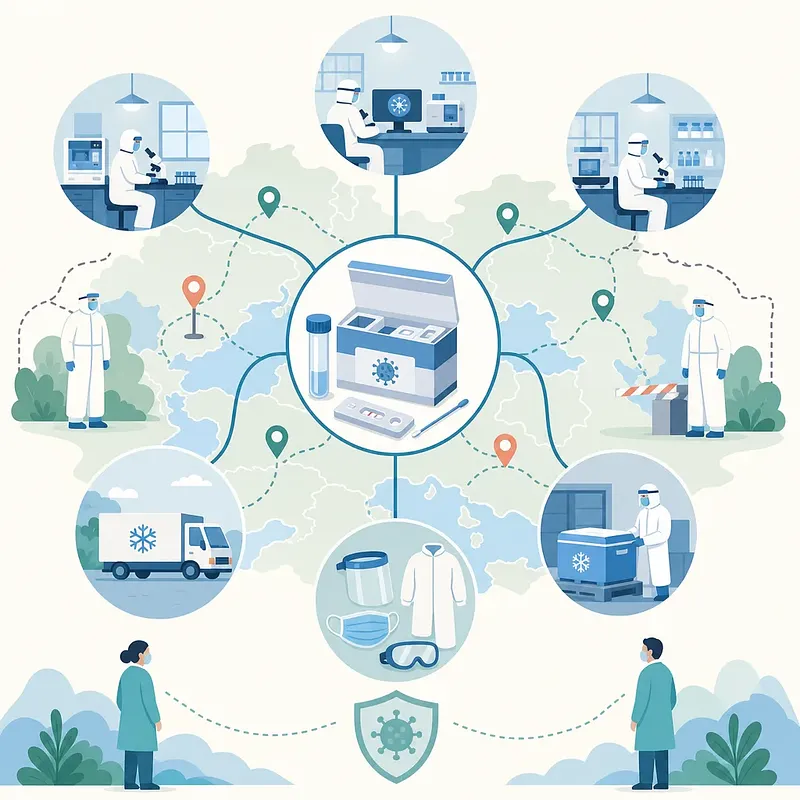
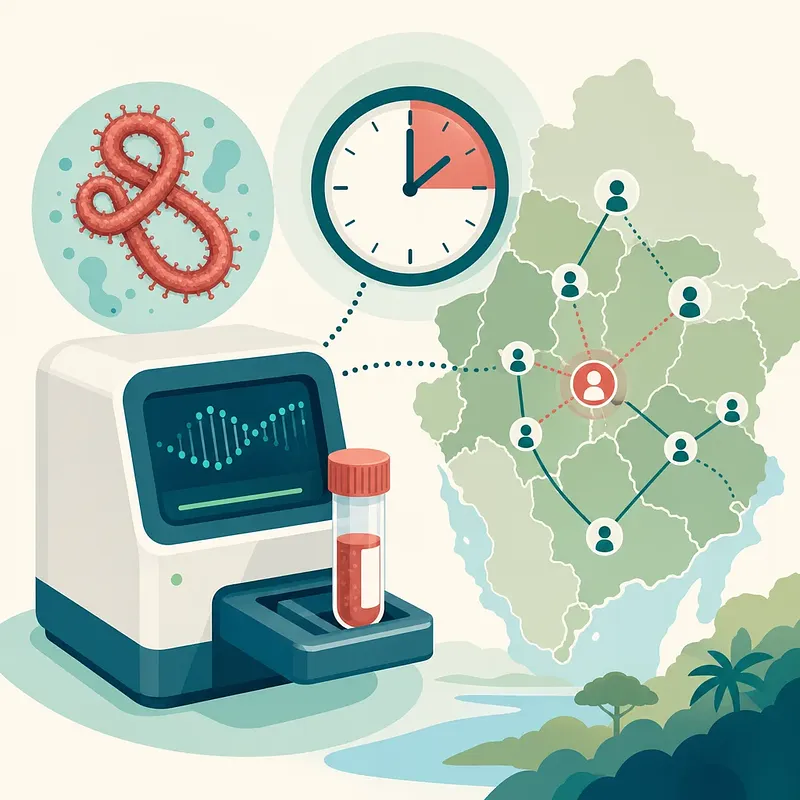
WHO listed a Bundibugyo virus test. On July 2, 2026, its first Emergency Use Listing for a molecular diagnostic created a path to faster procurement and national regulatory decisions. This distinction matters because experience with vaccines, treatments, and diagnostics has centered largely on Zaire Ebola virus. It cannot be applied directly to Bundibugyo virus without considering the differences. Faster molecular testing can shorten the path from a suspected case to confirmation, isolation, contact tracing, infection prevention, and cross-border surveillance. The listing also strengthens international confidence in the test’s quality, safety, and performance. However, access to an approved test is only one part of operational readiness. Test-kit supply, cold-chain and transport networks, laboratory capacity, trained personnel, personal protective equipment, and healthcare-worker safety systems must function together. Public health, laboratory, procurement, and infection-control teams working in low-income or cross-border settings should read the full analysis of what the listing enables and what remains to be built. #Ebola #GlobalHealth
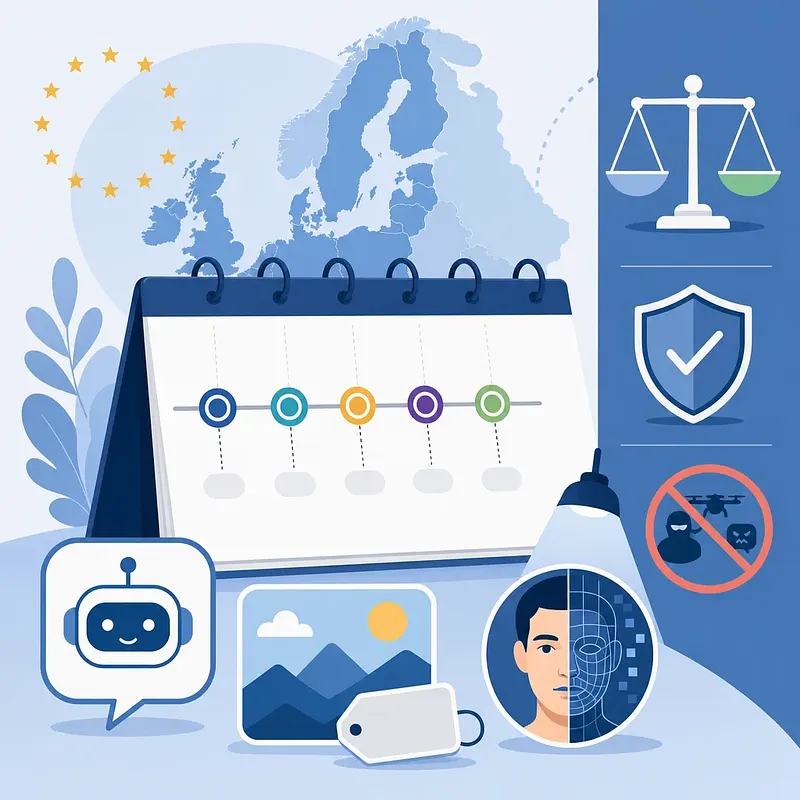
EU AI Act sets Dec. 2, 2027 deadline. That date applies to standalone high-risk AI. Product-embedded high-risk systems follow on Aug 2, 2028, so product architecture now determines the compliance runway and planning sequence. The article also maps the transparency obligations in full effect from Aug 2, 2026: chatbot disclosures, labels for AI-generated content, and deepfake disclosure. It explains why codes of conduct and practical guidance can support readiness but do not replace the Act when legal liability is assessed. It also distinguishes prohibited uses from disclosure duties. AI used for non-consensual sexual deepfakes or child sexual exploitation material should be treated as prohibited and a serious legal violation, not as content made compliant through labeling. Compliance, legal, product, and AI governance teams operating in the EU should read the article to align controls with the correct system category and date. #EUAIAct #AICompliance

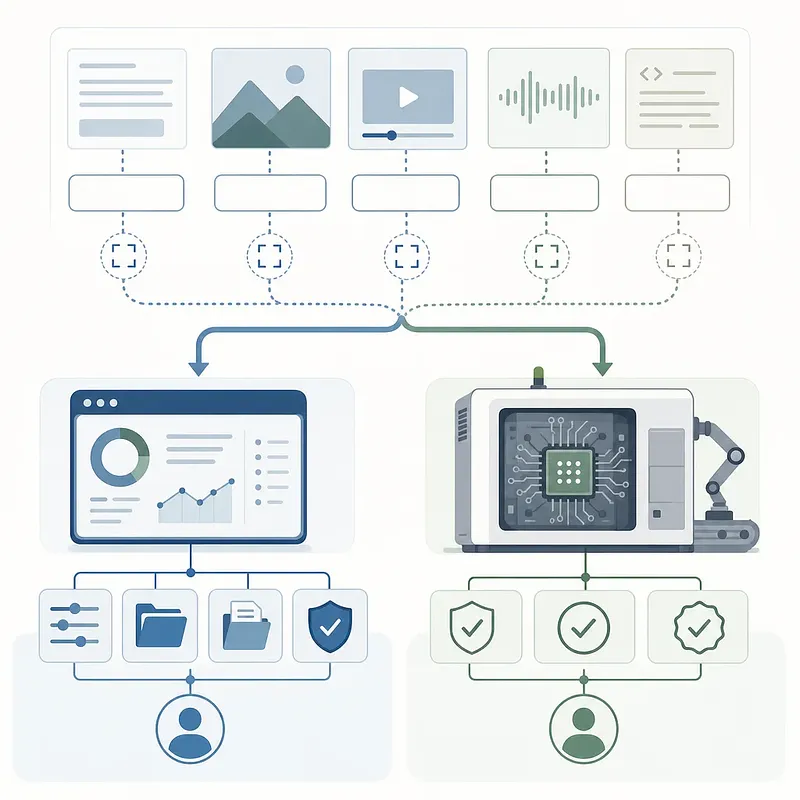
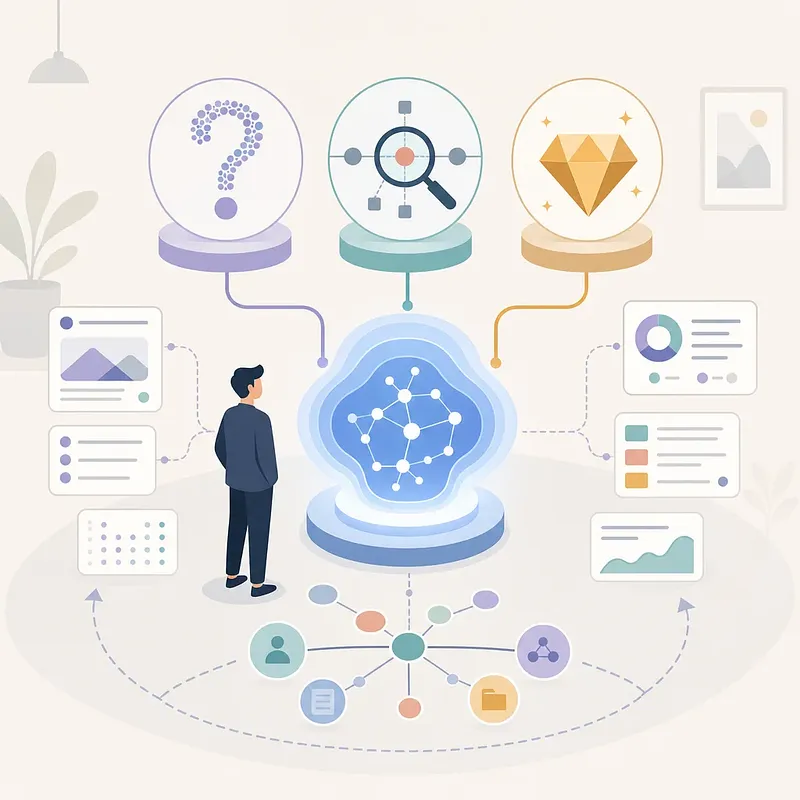
AI access no longer sets teams apart. Unique data, operating context, and accountable judgment do. This changes where professionals and organizations should invest their development efforts. As generative AI becomes more widespread, familiarity with tools and automation content is useful for tracking technology trends. However, neither offers a durable advantage on its own. The differentiator is how deeply AI is integrated with proprietary context, practical experience, and responsible decision-making. The article identifies three capabilities worth developing: formulating better questions, applying a critical mindset, and combining experience with intuition. It also examines creativity as the ability to recognize and refine the strongest options produced by AI—not only to create from a blank page. For individuals, mid-level managers, and organizations planning AI-enabled work, this framework can help prioritize skills that support stronger decisions. Read the article for the full analysis. #AI #FutureCareers
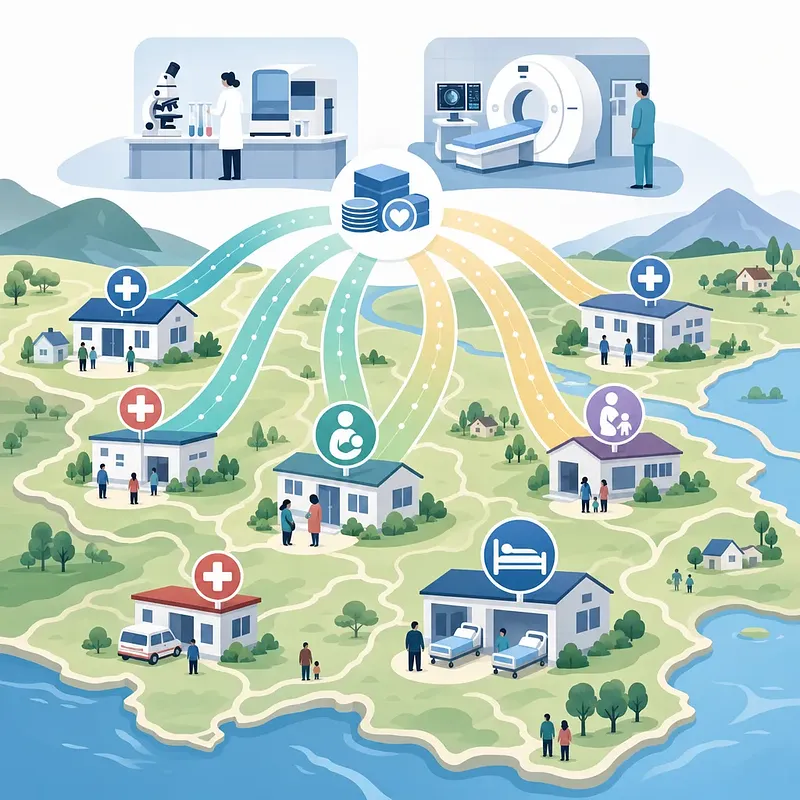
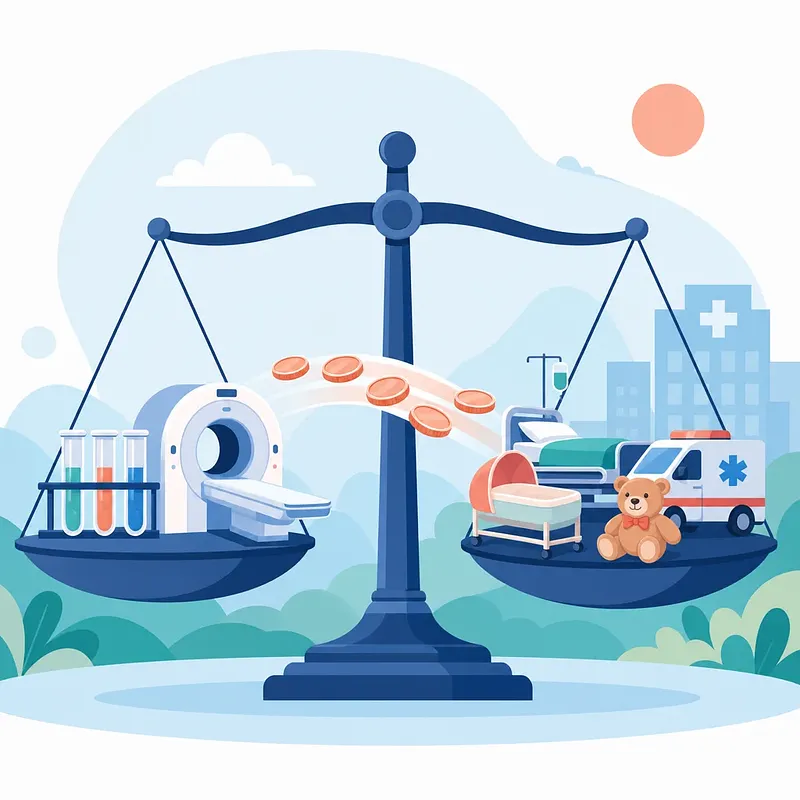
Health reform targets ₩2.6T in savings. The June 2026 plan combines those annual savings with ₩1 trillion from the National Health Insurance Fund, redirecting ₩3.6 trillion toward regional and essential care. This is the largest fee-schedule adjustment since the relative value score system was introduced in 2001. Laboratory tests, CT scans, MRIs, and other diagnostic procedures are the main areas targeted for reduced over-reimbursement. The article details scheduled reimbursement increases of 6% for initial clinic visits, 4% for follow-ups, 7% for general wards, and 10% for ICUs. It also explains stronger rates for surgery, emergency operations, high-risk deliveries, and pediatric intensive care, making the funding priorities easier to assess. Providers in non-metropolitan areas and underserved parts of the Seoul metropolitan area should read it first. Patient costs may vary by treatment and copayment rate, although the government says the design is intended to prevent an overall increase in out-of-pocket spending. Read the article for the full allocation and regional scope. #HealthcarePolicy #HealthInsurance
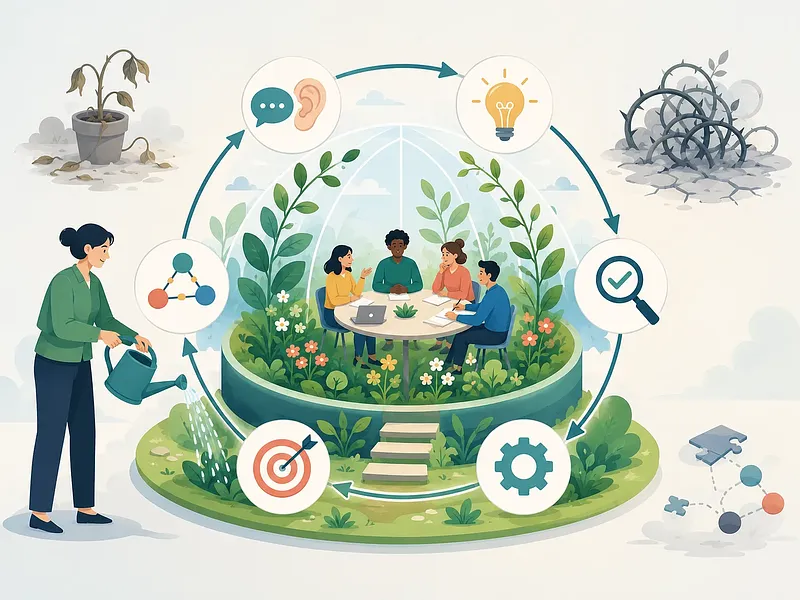
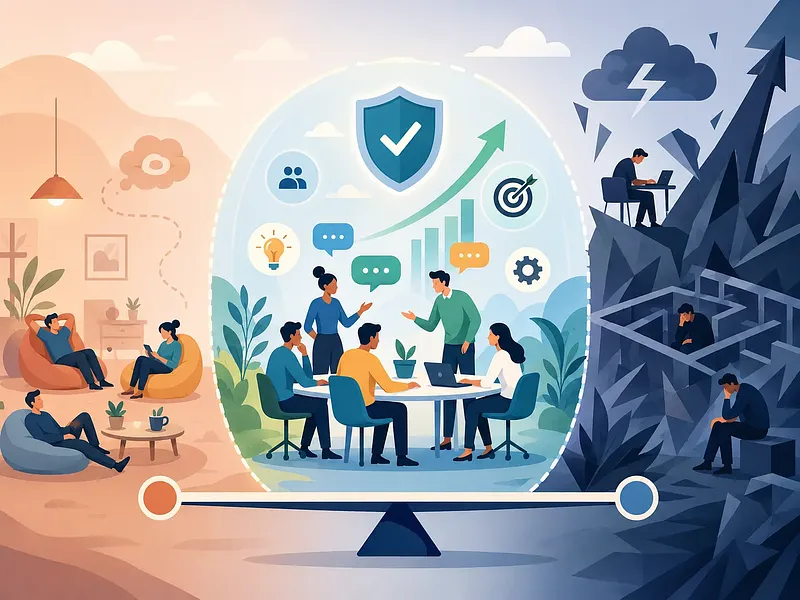
Two conditions shape team performance. Psychological safety and demanding standards must rise together. Raising only one can weaken the learning and execution an organization needs. Security with low standards can create a “club room” centered on camaraderie. High standards without security can create a defensive “jungle,” where concerns, questions, mistakes, and dissent remain unspoken. The article presents healthy tension as the productive alternative: an environment where difficult conversations can happen without lowering expectations. It outlines how attention to external change, customer value, clear goals, rapid feedback, and collaborative incentives supports both candor and accountability. It also explains why policy statements are insufficient. Team norms are shaped by how leaders consistently ask questions, respond to mistakes, conduct meetings, and apply evaluation criteria. Those recurring behaviors determine whether people can speak honestly while remaining focused on strong execution. Leaders building high-performing organizations should read the article to assess whether their culture supports both security and challenge. #Leadership #PsychologicalSafety
When El Niño and Ocean Warming Converge: Assessing the Risk of a Heat Wave in the Summer of 2026
July–September shapes El Niño planning. WMO says conditions could intensify then. That signal is not a deterministic forecast for any specific region. Elevated background temperatures and warm ocean waters can raise maximum temperatures and make nighttime heat more dangerous, so decisions need more than a daytime-high metric. The article presents a practical monitoring framework: nighttime lows, humidity, urban heat islands, sea-surface temperatures, soil moisture and electricity demand. Combining these indicators with observations and short-term forecasts helps teams update thresholds instead of locking plans to one seasonal outlook. Agriculture, power-grid, insurance, workplace-safety, and sports or cultural-event teams should read the assessment first. It explains why early-warning systems and more conservative operating standards matter when El Niño and warm oceans coincide. Read the full article to support summer 2026 risk planning. #ClimateRisk #ElNino