 Injoys
Social
A short written take on each piece of content: what changed and why it matters. Skim the point first, then follow through to the full article only for what interests you. Every take is drawn from real content, so the link takes you straight to the material it is based on.
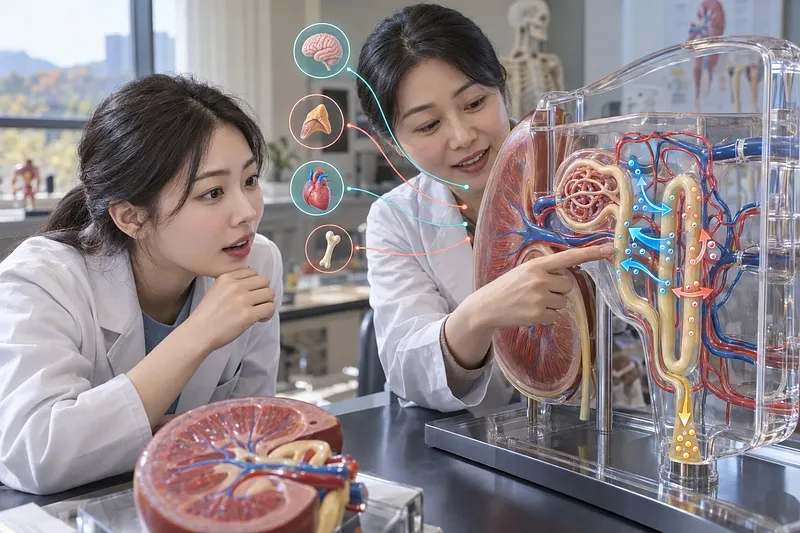
Kidney Electrolyte Regulation and Reabsorption
Kidney handling follows body needs. Water and electrolyte excretion changes with the body's condition, so urine reflects more than filtration alone. The article separates filtration, reabsorption, and secretion. It defines reabsorption as the return of substances from the renal tubules to blood, helping readers see how the three processes shape what is excreted in urine. Hormonal control is also placed in context. Signals from the brain, adrenal glands, heart, bones, and other organs change how the kidneys process water and electrolytes. Blood electrolyte levels are presented as values regulated within normal ranges, not fixed numbers. This is a practical reference for professionals and students reviewing normal kidney function and electrolyte regulation. Read the article for the full explanation. #KidneyFunction #RenalPhysiology


Everywater Label-Free 500ml 40-Pack Price per Bottle
This post contains Toss Shopping ShareLink affiliate links, for which a commission is earned. The 40-pack needs a final-cost check. For Everywater, add shipping before using the unit price for a purchase decision. The listed product price is 4,400 KRW as of 2026-09-20. The article records 110 KRW per 500ml bottle as of 2026-09-18. As of 2026-09-20, the pre-discount reference is 19,800 KRW (based on the seller's listed price). That is the seller's reference price, not what another retailer charges. Keeping those prices separate helps household and workplace budgets reflect actual spending. The format matters as much as the number. Forty small bottles need storage space, and the unit price is more useful when 500ml bottles fit regular use. For regular small-bottle purchases at home or work, consider reading the article before deciding. It provides a plain check of final payment, unit cost, usual consumption, and storage needs. #DecisionMaking #FoodShopping


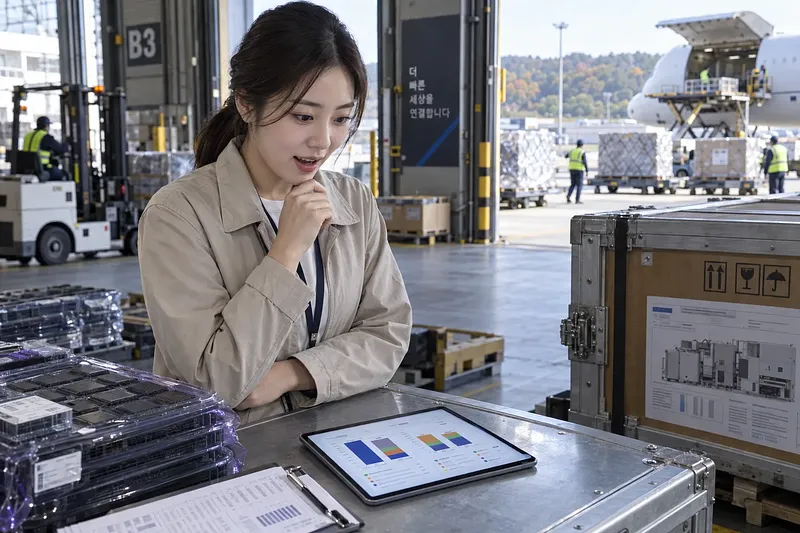
H1 reports list Japan at $38.44B. South Korea records $49.63 billion in the same H1 2026 reports, an $11.19 billion lead. Taiwan stands at $41.66 billion. Integrated circuits account for most of the Korea-Japan difference. Excluding them, Japan's exports are about $1.6 billion higher than South Korea's. This supports a category-specific comparison, not a verdict on either economy. The article separates integrated-circuit exports in international comparison reports from the South Korean government's broader semiconductor export figures. It also notes Japan's competitiveness in semiconductor manufacturing equipment and its support for Rapidus, which does not fit claims that it has abandoned semiconductors. Dollar-denominated exports do not show domestic value added or overall economic strength on their own. Analysts, exporters and strategy teams comparing South Korea, Taiwan and Japan should read the article before using these figures in market or policy decisions. #GlobalEconomy #Semiconductors

The FOMC target is now 3.75-4.00%. The 0.25-point hike was unanimous, but the dot plot does not settle the next move. Of 18 participants, 12 projected a 4.00-4.25% rate at year-end 2026. This indicates the possibility of another increase this year, not a commitment to act at the October 27-28 or December 8-9 meetings, both in U.S. local time. The median projections for year-end 2026 and 2027 are the same. That does not mean the policy rate will be unchanged at every point in 2027. A year-end median describes one point in time, not the path between year-ends. Professionals tracking U.S. monetary policy or foreign exchange markets can use the article to separate stated decisions from projected paths. Read it for the vote, meeting dates, target range, and limits of the dot plot. #FOMC #MonetaryPolicy

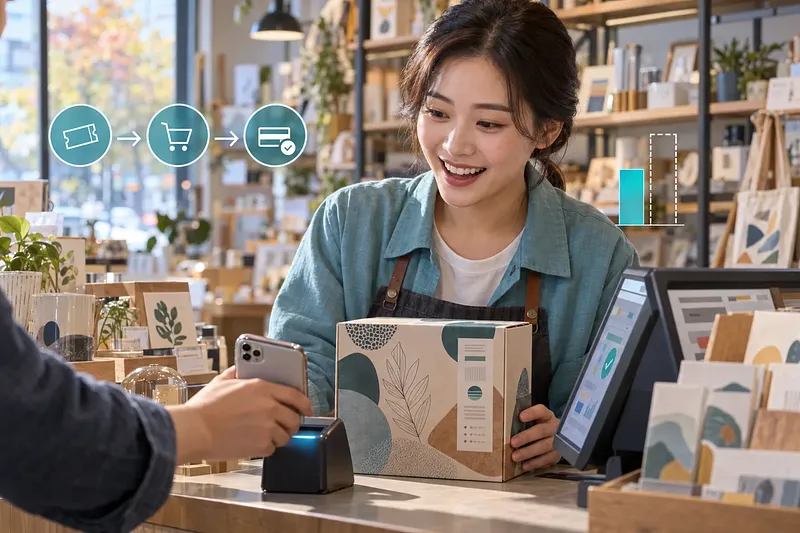
KOMSCO reports KRW 638.6 billion. A second report gives KRW 639.5 billion for 2025. The source matters when assessing performance. The figures also cover different categories and periods. The KRW 5 billion figure for currency-themed merchandise is a 2026 forecast, not revenue earned. Official statistics list 2025 exports at KRW 51.396 billion. The article connects these numbers to KOMSCO's business shift. Its digital gift certificate business expanded into platform operations supporting issuance, payment, and settlement. Its brand protection work applies anti-counterfeiting technology used in currency to authenticate products and artworks. Keeping revenue, forecasts, and exports in their proper categories helps analysts, partners, and public-sector teams avoid treating an outlook as an achieved result. Professionals reviewing KOMSCO's 2025 results, platform strategy, export activity, or 2026 merchandise outlook can read the article for the source-by-source breakdown. #KOMSCO #PlatformBusiness
How to Achieve Goals with Small Steps and Try Again
A goal needs a verifiable result. That gives you a clear test for progress and a firmer basis for the next decision. Age and circumstances can change what is practical. Leaving those constraints undefined makes it harder to tell whether the action, the conditions, or missing help blocked progress. The article shows how to connect one small action to a specific starting situation instead of relying on a broad intention. It also explains what to record after acting: the result and the point where progress stopped. Those records become criteria for continuing or changing the approach. This framework applies when age, circumstances, or other constraints affect the plan. Read the article before planning the next attempt. #DecisionMaking #GoalAchievement