 Injoys
Social
A short written take on each piece of content: what changed and why it matters. Skim the point first, then follow through to the full article only for what interests you. Every take is drawn from real content, so the link takes you straight to the material it is based on.


Investors face a distinct CPO timeline. Glass substrate adoption can diverge because CPO may be implemented without glass. That distinction affects how packaging roadmaps, supplier claims, and capital allocation are assessed. The guide separates components that are often grouped together. FC-BGA connects chips to the system board, while multilayer PCBs connect multiple packages and components at the system level. MLCC and glass substrates have distinct roles and commercialization requirements. Glass offers flatness and dimensional stability, but yield and processability remain constraints. A development announcement therefore does not carry the same commercial meaning as customer certification, mass production, or revenue. Keeping those milestones separate supports a more disciplined investment decision. Professionals assessing AI chips, HBM, packaging, or data-center technology should read the article before comparing adoption timelines or company roadmaps.


Deep work starts with one chosen task. The method caps a session at 90 minutes and ends it earlier when concentration fades. The number is a ceiling, not a requirement to push through. That distinction matters when professionals translate a time-based technique into a working schedule, especially because the article also addresses the method’s scientific limitations. The process begins by selecting one cognitively demanding task, such as planning or problem-solving, and placing it during a period of high alertness. For the first 5–10 minutes, email and messaging stay closed, giving the chosen task an uninterrupted start. Once focus falters or 90 minutes is reached, the next step is rest involving little new information. These clear start, stop, and break rules can make a work block easier to plan without treating 90 minutes as a performance target. Professionals structuring morning deep work or demanding decision tasks should read the article for the full method, personal focus cues, break principles, and evidence caveats. #Productivity #SelfManagement


Good Friend Standards: Rude Comments and Ending Friendships
One rude comment can test a friendship. Length alone does not make a relationship respectful. Family-structure assumptions and appearance judgments can be genuinely hurtful, while an immediate reaction may also include pain shaped by personal experience. Distinguishing the two supports a more grounded decision. The article offers a practical standard: assess whether the friend respects stated boundaries, can genuinely celebrate good news, and checks in without needing something. These signals help move the decision beyond either tolerating every remark or ending the relationship over one exchange. It also draws an important evidence boundary. A personal health experience or product advertisement should not be treated as proof that a medical treatment works. This is most relevant for people reassessing a longtime friendship after comments about family or appearance. Read the article for a clearer framework before deciding how to proceed. #PsychologicalSafety #DecisionMaking #InterpersonalRelationships

Sparkle 500ml Water 80-Pack Price, Pros and Cons
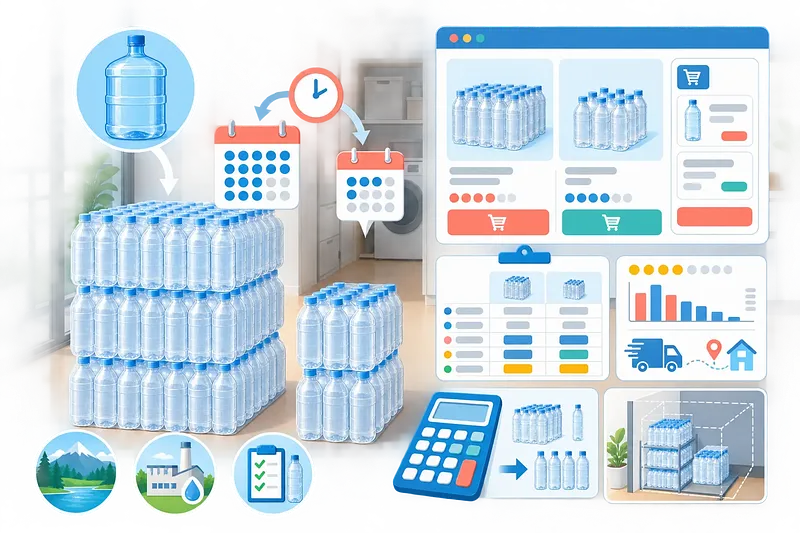
This post contains Toss Shopping ShareLink affiliate links, for which a commission is earned. Office buyers weigh Sparkle 40 vs. 80. The 80-pack is KRW 8,800 as of September 8, 2026, equal to KRW 110 per bottle. Unit cost is only one part of the purchasing decision. Eighty 500ml bottles total 40L, so available storage and expected consumption determine whether the larger pack is practical. Buyers with lower consumption may find the 40-pack easier to manage. The current price can be compared with KRW 24,000 (based on the seller's listed price). The marketplace rating is 4.9/5 from 49,791 reviews, but that figure represents buyer feedback rather than quality test results. The article also identifies checkout details that can affect the final decision: the label-free option, shipping fee, water source, and manufacturing information. Office purchasers and households comparing pack sizes should read the full breakdown before ordering. #Procurement #DecisionMaking


Busan analysts need volume context. The 2026 rebound in consumer sentiment is informative, but it should be assessed alongside actual transaction volume before drawing conclusions about market momentum. The article compares four regional markets through price, supply, transaction, and sentiment indicators. Chuncheon combines a rising price index with declining unsold inventory in June 2026. Donghae’s 3.67 index gap is expressed in points, not as a percentage. Jeonju’s activity is concentrated in new and nearly new properties while move-in supply remains low. It also provides a practical verification framework for summer fieldwork: check actual transaction records, then review each development announcement by project stage and approval status. This helps professionals distinguish observed market data from plans that may still depend on approvals or execution. Professionals evaluating Chuncheon, Donghae, Jeonju, or Busan in summer 2026 should read the regional tour before structuring a site visit. #HousingMarket #SiteVisit

2026 Chuseok Train Ticket Booking: September 7–11
Chuseok planners need route dates. General reservations run September 7–11, but the applicable date depends on the departure station and train type. Only KORAIL integrated members may participate, making membership status, membership number, and password the first items to confirm. The article lays out the booking workflow: identify the correct sales date, access the dedicated page before 07:00, keep a place in the queue, and select the train and passenger count when access is granted. The booking must then be completed within 3 minutes, so preparing these choices in advance can make the limited access window easier to manage. A reservation is not the final step. General-sale tickets must be paid for from September 12 to 15 or they will be automatically canceled. The article also covers checking remaining seats and joining the reservation waitlist, providing a practical sequence for more confident holiday travel planning. KORAIL integrated members preparing for Chuseok rail travel should read the article before their assigned sales date. #Chuseok #KTX