 Injoys
Social
A short written take on each piece of content: what changed and why it matters. Skim the point first, then follow through to the full article only for what interests you. Every take is drawn from real content, so the link takes you straight to the material it is based on.


High Cholesterol Medication and Screening Guidelines
High LDL needs a broader risk review. Medication decisions depend on cardiovascular risk as well as the LDL result. Diabetes, smoking, blood pressure and existing cardiovascular disease all inform that assessment. The article explains why lifestyle changes and medication should be considered together, helping readers prepare more focused questions about their care. Screening requires context too. For people without symptoms, age alone is not a reason to routinely recommend carotid ultrasound or brain MRI/MRA. A single high home blood pressure reading also does not confirm hypertension; repeated measurements using the correct posture matter. People managing high cholesterol or considering screening can use this overview to organize their next care discussion. Read the article for the reasoning behind medication and testing decisions.


2026 Aichi-Nagoya Asian Games Schedule and TV
Asian Games fans plan baseball viewing. South Korea is in Group B, with group-stage games listed from September 21, 2026. Those dates sit within a wider schedule. The opening ceremony is September 19 and the closing ceremony is October 4, but some sports begin before the opening. Planning only from the ceremony date could mean missing events. The article identifies the dates to track and the announcements to cross-check, helping readers build viewing plans around updated sport schedules. Japan and South Korea both use UTC+9, so local event times need no conversion for Korean viewers, simplifying calendar planning. For readers coordinating viewing in South Korea, actual channels should be confirmed in the day's programming, even when KBS or MBC has promoted coverage. Read the article to distinguish the listed dates from the details that still need confirmation.


Android admins face a version split. Version 16+ covers item-memory checks; Motion Assist needs 17+ and is rolling out gradually. Before assessing availability, confirm the current operating system under Settings > About phone. Then update the Android system, Gemini, Find Hub, Google Messages, and Google Keep. This avoids testing with an outdated system or app component. The article maps each verification point: whether Gemini and Find Hub show the feature that remembers item locations, where to search for and enable Motion Assist, and where collaborative Keep notes and chat themes should appear in the Google Messages conversation menu. The sequence makes it easier to distinguish an incomplete setup from a feature that is still rolling out. Device owners and support teams preparing for the September 2026 drop should read the setup sequence before documenting feature availability. For Motion Assist, focus on devices running Android 17 or later and treat its presence as rollout-dependent.


2026 Chuseok buyers weigh net cost. Sticker price alone does not show which preorder offers better value. Weight, quantity and grade must be normalized before comparing unit prices. The payment amount can change after instant discounts and promotional card discounts. Gift certificates should affect the comparison only when they can actually be used, preventing an unavailable benefit from making one offer appear cheaper. The guide also explains how to assess fruit sets by variety, origin, weight and fruit size. It then adds delivery considerations: free-shipping coverage, surcharges for islands and remote areas, dispatch dates and shipping deadlines. Together, these checks support a clearer budget and delivery decision. Professionals and individuals comparing 2026 gift set preorders can use the article as a practical purchasing framework. Read it before finalizing a supplier or retailer. #Chuseok #Procurement

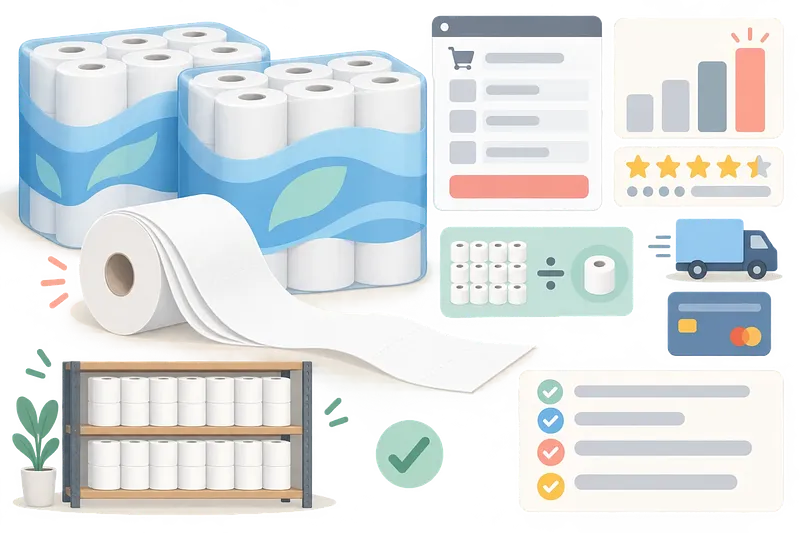
All Challenge Natural Pulp Toilet Paper, 60-Roll Price
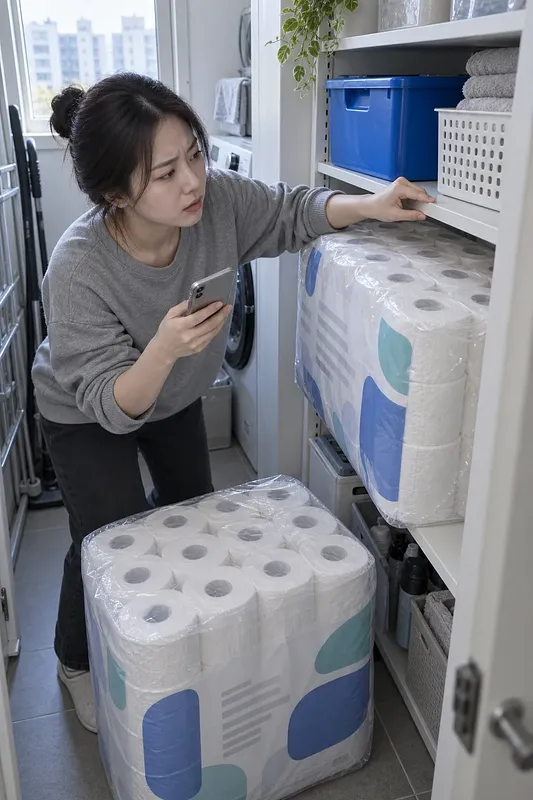
This post contains Toss Shopping ShareLink affiliate links, for which a commission is earned. Bulk buyers weigh 60 toilet paper rolls. The guide's 215 won per roll, as of 2026-09-10, provides a starting point for comparing unit costs. The purchase option matters: the All Challenge set contains two packs of 30 rolls. Confirming that selection helps ensure the quantity being ordered matches the quantity used in the comparison. Each roll is 3-ply and 30m long. The article pairs these specifications with storage and expected-use considerations, helping households assess whether the full set fits their available space without crowding everyday storage. Shipping fees and payment discount terms still need checking on the final checkout screen. Households considering this purchase can read the article to assess the pack size, unit cost and practical storage needs together.
HelloBio 100% Extra Virgin Olive Oil Capsules, 90 Count
This post contains Toss Shopping ShareLink affiliate links, for which a commission is earned. HelloBio buyers weigh 3 boxes of 30. Check the selected option and final checkout total before judging the pack by its unit price. As of 2026-09-11, the listed price is 6,500 won for 90 capsules, or about 72 won per capsule. Shipping fees and discount conditions need checking to establish the actual purchase cost. The marketplace rating is 4.7/5 from 1,729 reviews. Confirm whether those figures apply to the selected option so the assessment uses relevant information. For buyers considering the full pack, the article outlines checks on quantity, usage directions and the use-by date. Read it to assess whether 90 capsules fit actual needs before ordering.