 Injoys
Social
A short written take on each piece of content: what changed and why it matters. Skim the point first, then follow through to the full article only for what interests you. Every take is drawn from real content, so the link takes you straight to the material it is based on.


Sutelier Ylang-Ylang Foaming Hand Wash, 2 x 510ml
This post contains Toss Shopping ShareLink affiliate links, for which a commission is earned. 2 x 510ml is Sutelier buyers' option. The bundle costs KRW 2,490 as of 2026-09-12; shipping fees matter when comparing the total purchase cost. The stated price works out to KRW 1,245 per bottle. That provides a useful comparison for buyers who need two bottles, provided the selected option includes the Ylang-Ylang scent and the correct quantity. The article explains what to verify before purchase: the bundle contents, shipping fee and payment terms. These checks help buyers assess the actual expense and avoid purchasing an extra bottle they do not need. A marketplace rating cannot establish whether an individual will enjoy the scent. Buyers needing two bottles with a settled scent preference should read the article before deciding. Those needing only one bottle or still choosing a scent are advised to hold off.

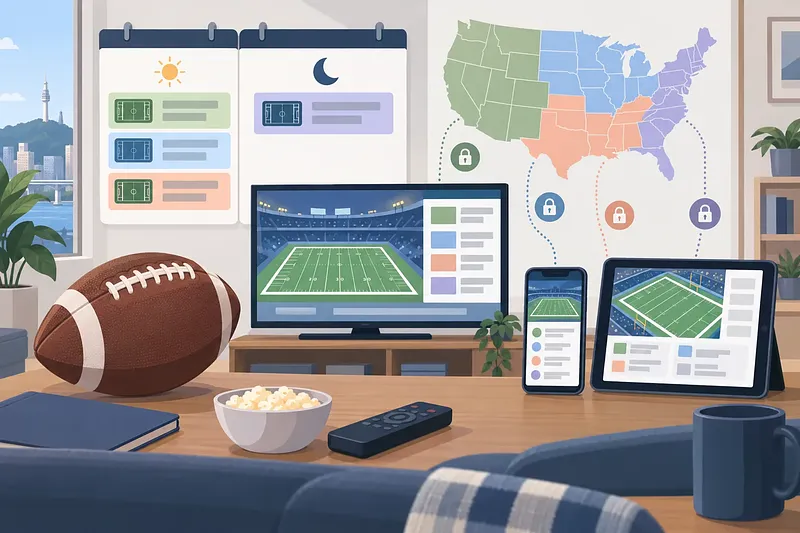
Local NFL viewers weigh CBS and FOX. Sunday afternoon coverage varies by U.S. market, so knowing the network does not establish which game will be available locally. The guide explains how to find that coverage, helping viewers plan around the games they can receive. For the remaining Week 1 games on September 13-14, the article brings together kickoff times and U.S. broadcast channels. Sunday starts are 1:00, 4:25 and 8:20 p.m. Eastern. It also explains NFL+ availability: live local games are primarily available on phones and tablets, with market and device restrictions applying. U.S. viewers coordinating their viewing schedule can use these details to choose a time and check their viewing setup. Read the full article before making those plans.

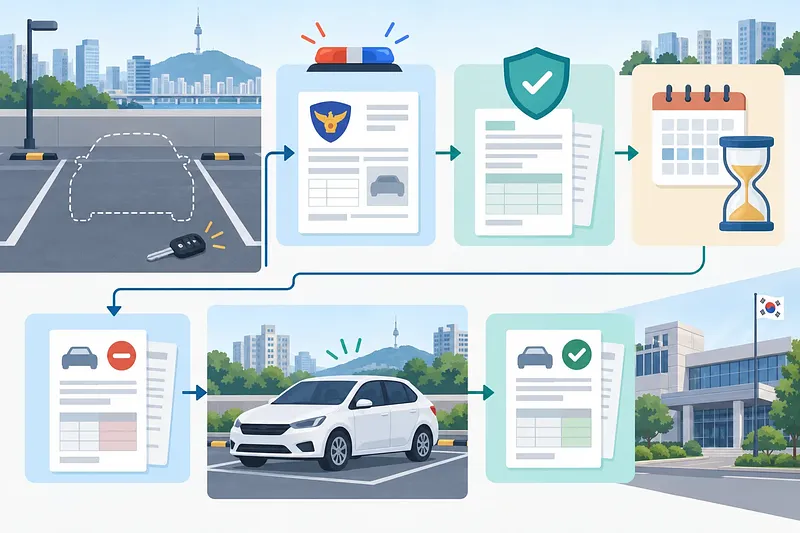
Drivers need theft protection to claim. Car theft may be covered under own-damage coverage; drivers should confirm that protection with their insurer immediately. The claim timing depends on the police report: if the vehicle remains missing 30 days after that report, the article says to file a theft insurance claim. Understanding that sequence helps drivers distinguish immediate reporting duties from the later claim step. The guide explains obtaining proof of theft, notifying the insurer and preparing claim evidence. It also addresses applying for deregistration with the vehicle registration authority, a separate task that an insurance claim does not complete. Drivers managing a stolen or recovered vehicle can use the article to organize the administrative work with less uncertainty. If the car is recovered, notify the police and insurer, then complete registration procedures according to whether it was deregistered. Read the full article for the sequence.


Kidney Health: Aging, Tests, and the 3-Month Rule
3 months shapes kidney assessment. Chronic kidney disease involves abnormalities in kidney structure or function persisting for at least 3 months. For adults considering changes with age, declining function does not establish a diagnosis on its own. Normal urine output also does not rule out impaired kidney function. These distinctions matter when interpreting changes and discussing test results. The article explains why blood eGFR and urine albumin should be tested together: they reveal different types of kidney damage. Understanding their complementary roles can help readers prepare clearer questions for a checkup and understand how testing distinguishes age-related decline from disease requiring treatment. Adults assessing kidney changes with age can read the article for an explanation of the tests and the duration required to establish chronicity.


AI agent teams need spending limits. Key management is also a prerequisite for autonomy in the article's assessment of a possible Korean crypto rebound. High trading volume does not establish that development, payment and custody businesses will grow together. That distinction matters when assessing whether market activity can support broader industry growth. The article separates the regulatory, liability, security and payment-demand conditions behind the rebound argument. It explains why won stablecoins need redemption rights and reserve structures, and why issuing won-denominated tokens alone does not establish an exchange-rate defense effect. For teams evaluating won stablecoins or autonomous AI agents, these distinctions help frame decisions around actual payment demand and responsibility. Read the article to assess the conditions behind the possibility.

78th Emmy Awards 2026: Time and How to Watch
Emmy Awards fans have two local dates. The September 14 U.S. broadcast falls on September 15 in Korea. The schedule also separates some awards from the main broadcast. Some limited series categories were moved to an earlier ceremony, so the main show's lineup will not include every category. That distinction helps viewers set expectations for the coverage. The article pairs the September 14, 2026, start at 8:00 p.m. Eastern with NBC and Peacock in the U.S. For Korea, it identifies the scheduled September 15 live broadcast at 9:00 a.m. on TV Chosun. These details help readers reserve the correct viewing time and choose the relevant broadcaster or streaming service. Viewers planning to watch from the U.S. or Korea can also review key nominees, including The Pitt's leading 25 nominations. Read the article to align viewing plans with the local schedule.