 Injoys
Social
A short written take on each piece of content: what changed and why it matters. Skim the point first, then follow through to the full article only for what interests you. Every take is drawn from real content, so the link takes you straight to the material it is based on.

Eligibility Requirements and Return on Investment for the 2026 Youth Future Savings Account
Young workers face Youth Future tiers. The account offers 6% or 12% government contributions on deposits of up to ₩500,000 per month for three years, plus tax-exempt interest income. Enrollment types are assigned automatically using personal income, business revenue, household income, SME employment, or small-business status. Existing Youth Leap Account enrollment restricted participation, and an approved special early-termination switch was available only during the initial 2026 enrollment period. The article compares official simple-interest-equivalent returns: 13.2%–14.4% for standard accounts and 18.2%–19.4% for preferential accounts, depending on bank rates and terms. It also explains why enrollment type and preferential rates matter when assessing the headline return. Young applicants choosing between principal stability with fixed contributions and the investment risk and tax-saving potential of a Youth ISA should read the analysis first. It provides a structured basis for comparing the two options. #YouthFinance


Illegal gambling games are often presented as simple online games, but the legal test is not just how they look. When money or property is at stake and profit or loss depends on chance, participants may face criminal liability under Korean law. This article summarizes key warning signs, including ladder-style, snail-race-style, number or card judgment-style, illegal Powerball-style, and illegal sports betting-style formats. It also explains why risk increases for those involved in operating, promoting, exchanging money, or recruiting users. For parents, educators, and compliance-minded businesses, the issue is also about youth protection: harm can extend beyond financial loss to addiction, debt, misuse of bank accounts and personal data, and school problems. https://injoys.com/en/articles/variant-gambling-games-risks-and-penalties-korea #IllegalGambling #YouthProtection


FX desks prepare for 24-hour USD/KRW. Starting July 6, 2026, Seoul’s brokered spot market will operate from 6:00 a.m. Monday to 6:00 a.m. Saturday under New York Daylight Time. The scope is easy to overread. The change does not cover every won-denominated transaction: hours for the won against the euro, yen, and pound remain unchanged. Weekends and January 1 are excluded, while trading remains available on other domestic public holidays. The article explains what the expanded window means for foreign-investor access and MSCI Developed Markets considerations. It also reviews Korea Capital Market Institute findings that the 2024 extension to 2:00 a.m. produced no significant increase in exchange-rate volatility and reduced gap volatility. Longer hours alone do not ensure market readiness. Nighttime order-book depth, electronic infrastructure, suspicious-transaction monitoring, settlement, and risk controls all require attention. FX, treasury, cross-border investment, and market-infrastructure professionals should read the analysis to distinguish wider access from the operational work still required. #ForeignExchange #KoreanWon


AI access no longer sets teams apart. Unique data, operating context, and accountable judgment do. This changes where professionals and organizations should invest their development efforts. As generative AI becomes more widespread, familiarity with tools and automation content is useful for tracking technology trends. However, neither offers a durable advantage on its own. The differentiator is how deeply AI is integrated with proprietary context, practical experience, and responsible decision-making. The article identifies three capabilities worth developing: formulating better questions, applying a critical mindset, and combining experience with intuition. It also examines creativity as the ability to recognize and refine the strongest options produced by AI—not only to create from a blank page. For individuals, mid-level managers, and organizations planning AI-enabled work, this framework can help prioritize skills that support stronger decisions. Read the article for the full analysis. #AI #FutureCareers

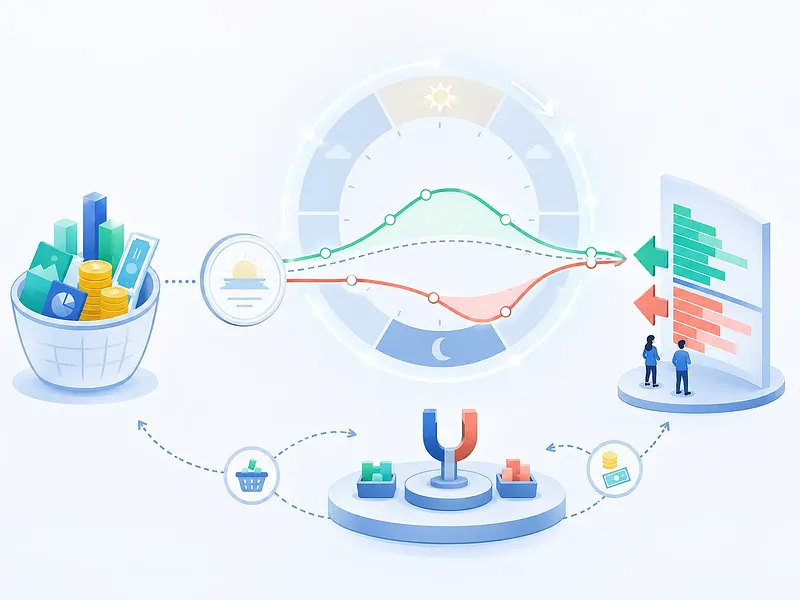
Two values guide ETF investors. NAV and iNAV help distinguish live market pricing from the value of underlying holdings. NAV is assets minus liabilities, divided by ETF shares outstanding, and is calculated once a day. iNAV provides an estimated value during trading hours. Comparing these references with the market price helps professionals identify whether an ETF is trading at a premium or discount rather than treating the quote as intrinsic value. The article also explains why buy and sell orders can create temporary gaps, how the price-to-intrinsic-value ratio expresses them, and how liquidity providers post bid and ask quotes to help keep prices from deviating excessively. Investors, advisers, and market professionals evaluating ETFs during market hours should read the article for a practical framework that includes tracking error and market-maker activity. #ETF #AssetManagement
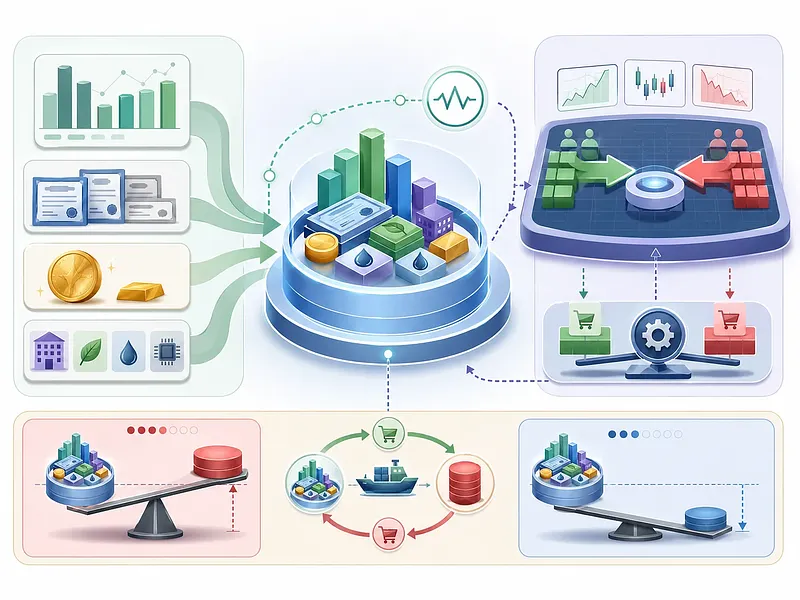
Funds are pouring into the Chinese bond market.
Treasury teams weigh panda bonds. When Chinese interest rates are below those in major dollar markets, yuan-denominated issuance can reduce interest expense. That difference helps explain why this funding route is gaining attention as dollar funding costs rise. Coupon rate is only the starting point. The article lays out how currency hedging, fund-transfer rules, taxes, credit ratings and liquidity determine the all-in cost. It also highlights a central balance-sheet risk: if the yuan appreciates, the burden of yuan-denominated repayment can increase. At the market level, broader issuance and yuan payment networks support China’s internationalization push. Capital controls and policy changes, however, remain material variables rather than background details. Finance leaders at foreign governments, corporations and financial institutions considering issuance in mainland China should read the analysis before comparing yuan and dollar funding.