 Injoys
Social
A short written take on each piece of content: what changed and why it matters. Skim the point first, then follow through to the full article only for what interests you. Every take is drawn from real content, so the link takes you straight to the material it is based on.
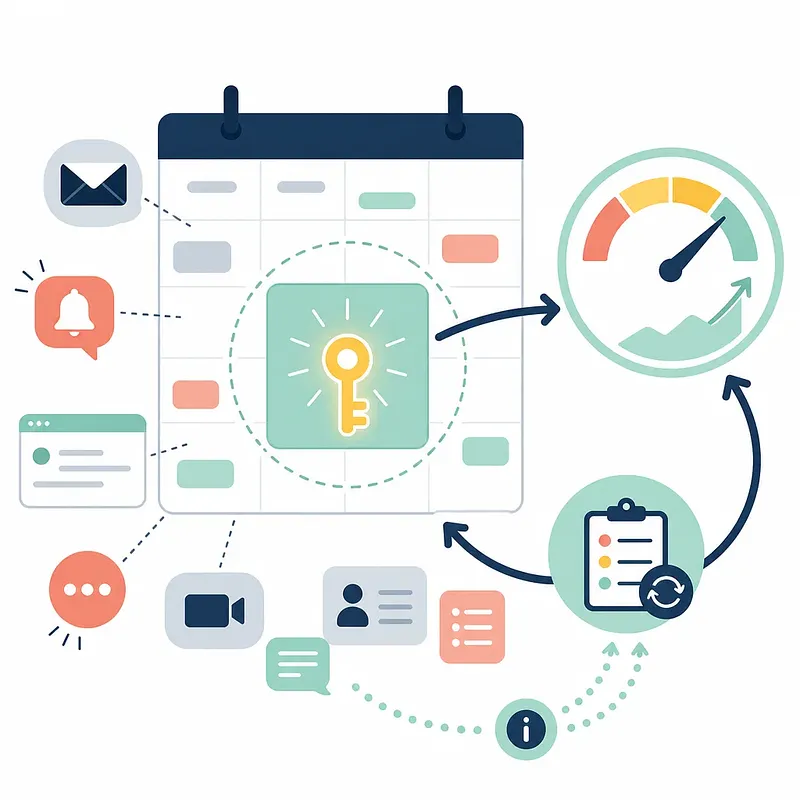
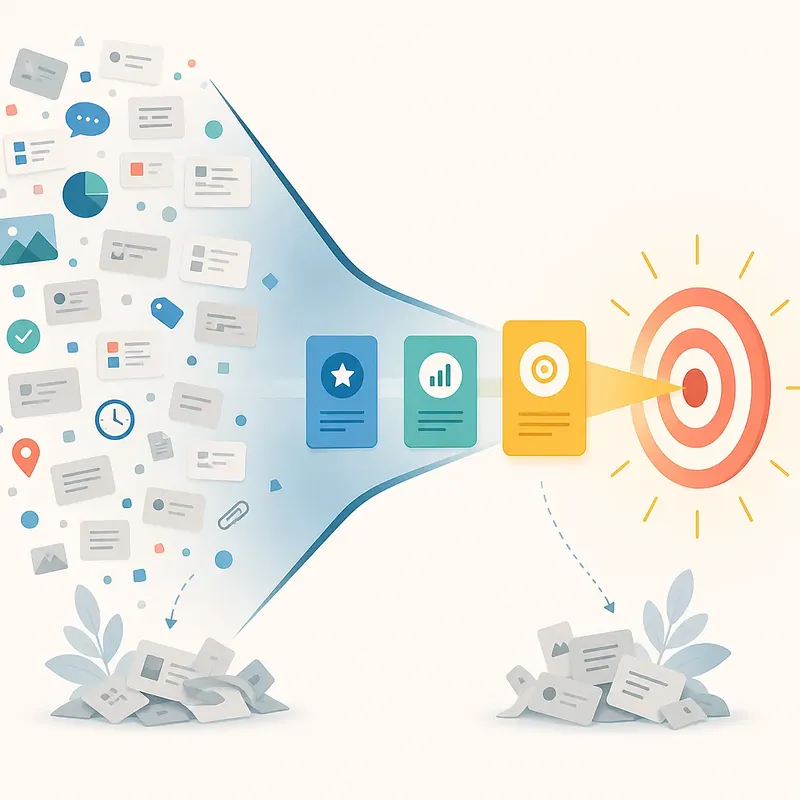
To-do lists are useful for capturing tasks, but they do not distinguish between activity and impact. A success list goes further by identifying the few tasks that contribute most directly to a desired result. This matters because time assigned by default often flows to easy or urgent-looking work rather than high-impact work. The article presents a practical approach: assess goal impact, urgency, and opportunity cost; use the 80/20 principle to search for the vital few; and schedule uninterrupted execution time for core tasks first. Priorities should also remain open to revision. Performance metrics and new information may change which tasks deserve attention. #Productivity #DecisionMaking

KV caches now shape AI chip design. Longer contexts and more concurrent requests increase KV cache capacity requirements. That makes total capacity and the broader memory hierarchy as consequential as HBM bandwidth when teams assess system architecture. The article explains memory-centric computing as co-design, not GPU removal. It maps how HBM, NAND-based HBF, custom base dies, 3D packaging, and optical interconnects can reduce data-movement costs while changing architecture choices. It also distinguishes promise from constraint. HBF offers NAND density but must contend with latency, write endurance, and error management. Vertical stacking shortens interconnects while adding thermal density, yield, power-delivery, and cooling challenges. Custom HBM broadens memory companies’ design role without removing price volatility or supply cycles. Semiconductor, AI infrastructure, and data-center professionals evaluating accelerator roadmaps should read the full analysis to compare these trade-offs. #Semiconductors #AIChips

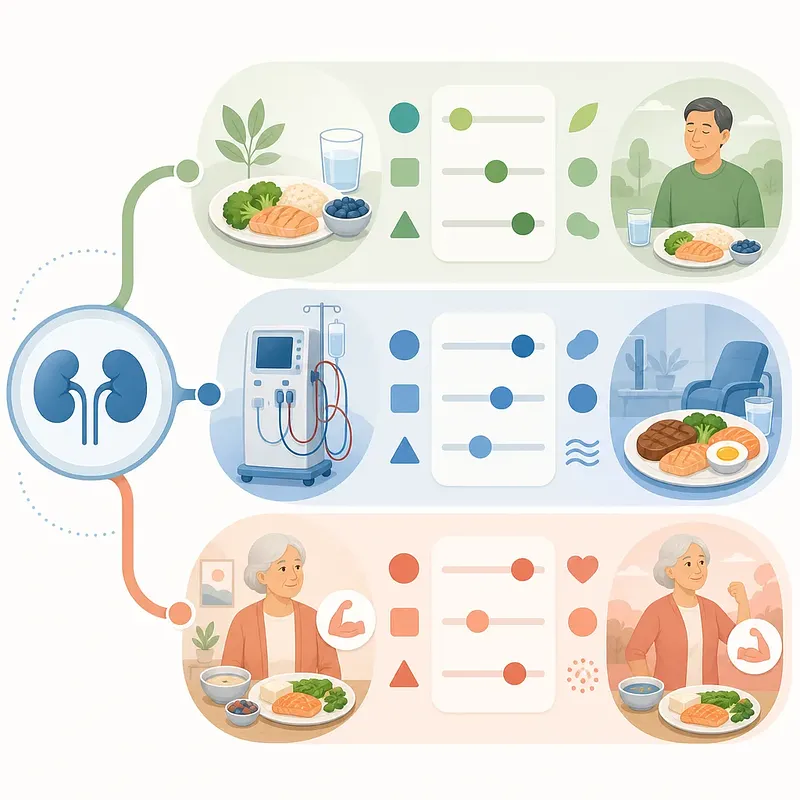
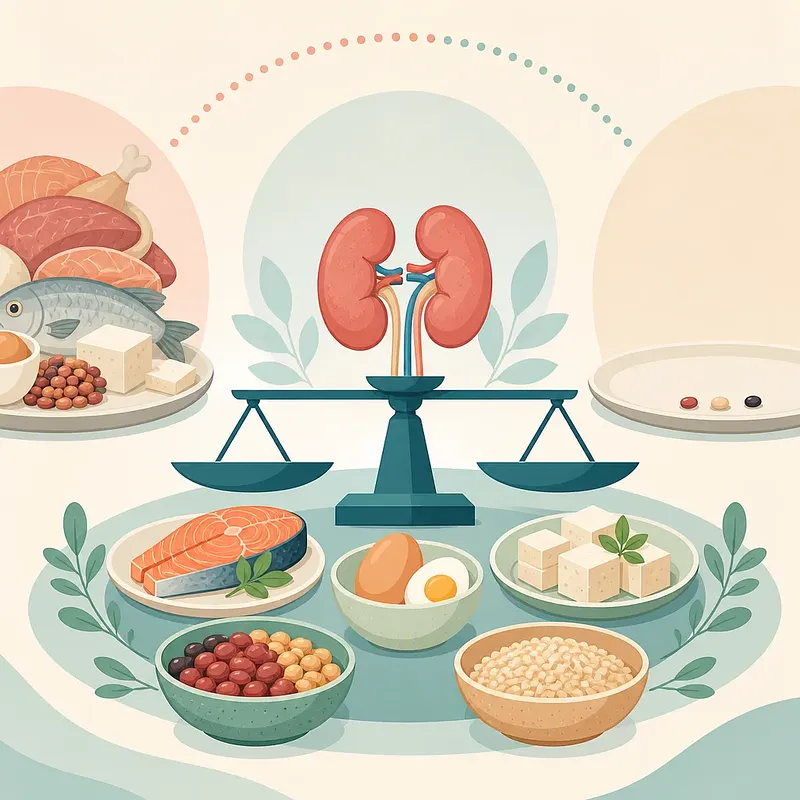
Protein Intake in Chronic Kidney Disease: Why You Should Neither Cut Back Unconditionally nor Eat the Maximum Allowed
CKD protein targets are not weight-only. A grams-per-kilogram calculation based solely on actual body weight can overlook dialysis status, standard body weight, urinary protein, diabetes, and nutritional status. These factors can materially change the appropriate target. The article explains why adults with non-dialysis chronic kidney disease should generally avoid excessive high-protein intake without starting an extremely low-protein diet on their own. It also outlines why dialysis often raises protein needs, as protein and amino acids may be lost during treatment. Frailty, sarcopenia, weight loss, or inadequate intake can shift priorities toward nutritional recovery. Reviewing kidney function, nutrition, weight changes, and the treatment plan together supports more informed meal planning and a clearer discussion with the treating healthcare team. Professionals supporting adults with chronic kidney disease, and patients preparing for that discussion, should read the article before setting or revising a protein target. #KidneyHealth #ChronicKidneyDisease
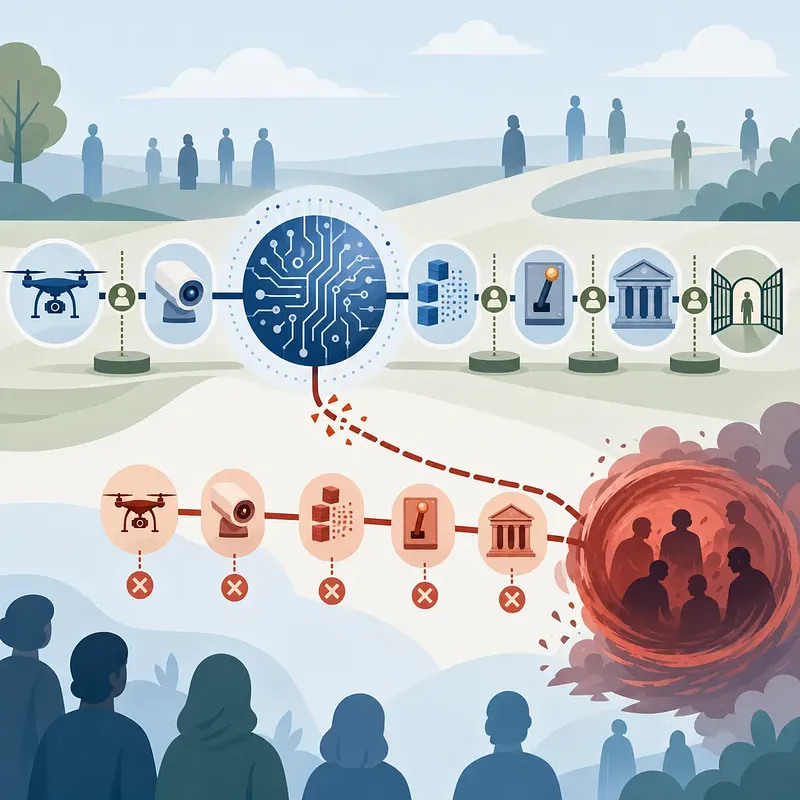
AI is not a moral agent in Pyromaniac. Descriptions of AI as hating human lies or independently choosing justice are literary personification, not conclusions supported by current technology. Treating that language as fact can obscure where authority and accountability actually sit. The article frames drones and AI as dual-use technologies. Their risks change with design, data, assigned authority, and the environment of use. This lens helps professionals assess systems through governance choices rather than labels such as “good” or “evil.” It also connects vigilante catharsis to errors in judgment and cycles of violence, while distinguishing criticism of an imperfect legal system from allowing one person to investigate, judge, and punish. Responsibility remains traceable across those who set objectives, operate systems, provide data, and make final decisions. Professionals working in AI governance, technology policy, risk, or media analysis can read the article for a structured examination of these ethical questions. #AIEthics #AIGovernance

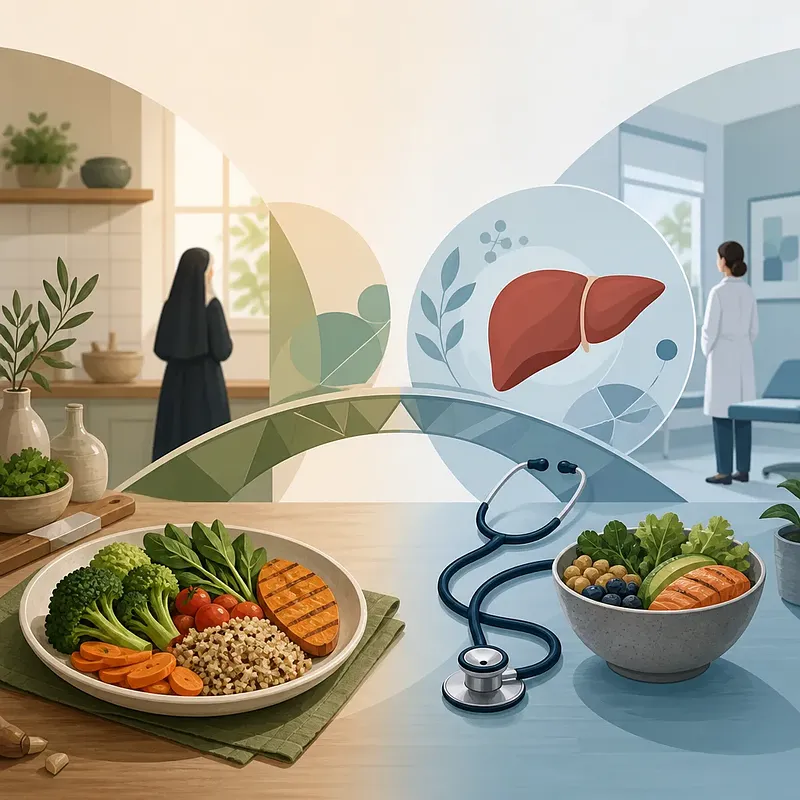
When anxiety and illness disrupt daily life, ordinary routines can take on new importance. For Venerable Seonjae, the kitchen became more than a place to prepare food: it offered practical work, direct care for her body, and a renewed sense of control. Her experience illustrates why regular cooking and meals may help restore structure during difficult periods. At the same time, personal or spiritual dietary practices should not be mistaken for universal medical guidance. There is no established evidence that green onions, garlic, or meat generally cause anxiety, and cirrhosis should not be treated through diet alone. The article explores both the value of food-centered routines and the need for evidence-based, individualized care. #SelfManagement #Nutrition

How to Read 2026 Typhoon Intensity Numbers and Five-Stage Heavy Rain Information
Beginning June 1, 2026, typhoon intensity will be displayed through numbered icons representing five maximum wind-speed ranges. The higher the number, the stronger the winds near the storm’s center. Understanding the broader warning system is equally important. Heavy-rain information may take the form of likelihood information, preliminary advisories, advisories, warnings, or emergency disaster alerts, and these notices are not guaranteed to appear in sequence. Land alert zones have also been subdivided from 183 to 235, meaning alerts can vary within the same city or county. The article explains how to interpret each level, why forecast lifting times can change, and what to do first when danger is present. #DisasterPreparedness #Typhoon