 Injoys
Social
A short written take on each piece of content: what changed and why it matters. Skim the point first, then follow through to the full article only for what interests you. Every take is drawn from real content, so the link takes you straight to the material it is based on.


The distinction between divorce damages and property division matters beyond the wording of a settlement. Damages compensate for harm caused by conduct that contributed to the marriage’s breakdown. Property division, by contrast, allocates assets accumulated through the spouses’ respective contributions—and may still be claimed by an at-fault spouse. When real estate is involved, the classification can affect capital gains tax at transfer, acquisition tax, and the acquisition date and cost carried into a later sale. Authorities may examine the marriage’s duration, how assets were built, the division ratio, and the payment’s actual purpose rather than relying solely on its label. #PropertyDivision #TaxPlanning


Odysseus is remembered as a hero because he achieved his goal of returning to Ithaca. From an organizational perspective, however, his voyage also ended in collective failure: none of his companions survived. This distinction matters for modern leadership. Results should not be assessed solely by whether the leader reaches the destination. We should also examine the information available at the time, viable alternatives, foreseeable harm, risk mitigation, and the treatment of team members. The story highlights how arrogance, withheld information, and collapsing trust can compound uncertainty. It also reveals narrative bias: the survivor was both the protagonist and the storyteller. #Leadership #DecisionMaking #OrganizationalCulture


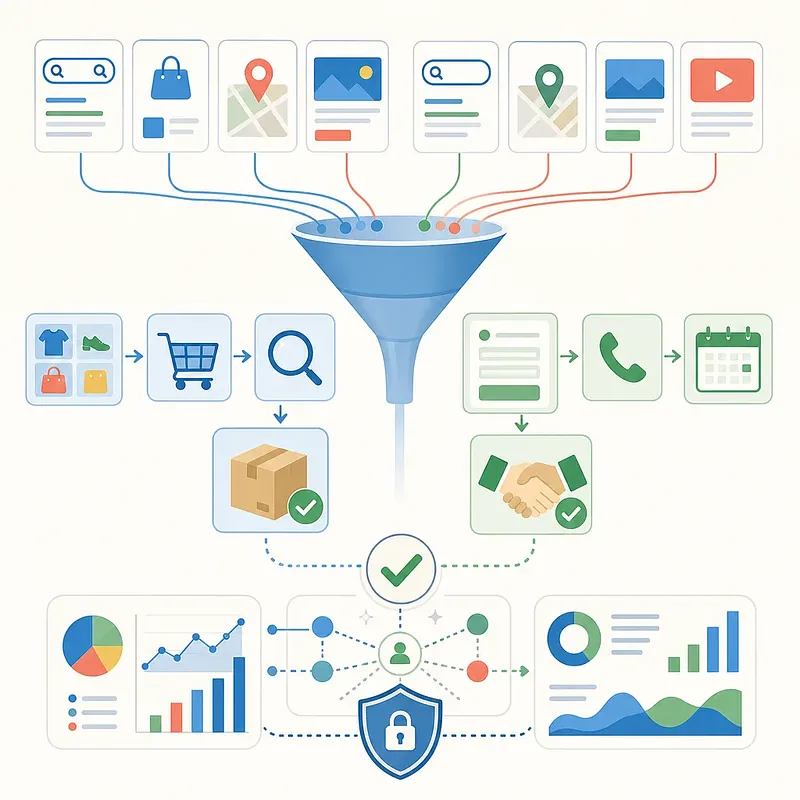
An effective Naver media mix is not simply a matter of using more ad products. Each channel should have a defined role based on customer intent and the purchase journey. Start by clarifying the ultimate objective—sales, consultations, or visits—and the criteria for a qualified conversion. Next, audit conversion tracking, product feeds, landing pages, and consultation outcome records before launch. Powerlink, Shopping Search Ads, and Place Ads can prioritize existing demand, while ADVoost and Naver Performance Display Ads can support new-customer discovery and retargeting. The article also explains why budgets should be reallocated gradually, based on incremental channel performance and customer value rather than surface-level results. #NaverAds #MediaMix #PerformanceMarketing

Gyeonggi Province Declares Fiscal Emergency: KRW 770 Billion in Cuts and Revenue Structure Analysis
Gyeonggi Province’s fiscal emergency declaration highlights the pressure that declining transaction-based tax revenue can place on local government budgets. Acquisition tax revenue reportedly fell from KRW 11 trillion in 2021 to KRW 7.8 trillion in 2025, while local bond issuance reached 99.6% of the applicable limit in 2025. The announced KRW 770 billion reduction is an overall budget-cut target, not the same as the KRW 313.2 billion fourth-quarter shortfall for livelihood programs. The declaration is also administrative and should not be confused with a fiscal-crisis designation under the Local Finance Act or insolvency. The practical impact will depend on the supplementary budget and Gyeonggi Provincial Council deliberations. #LocalGovernmentFinance #GyeonggiProvince

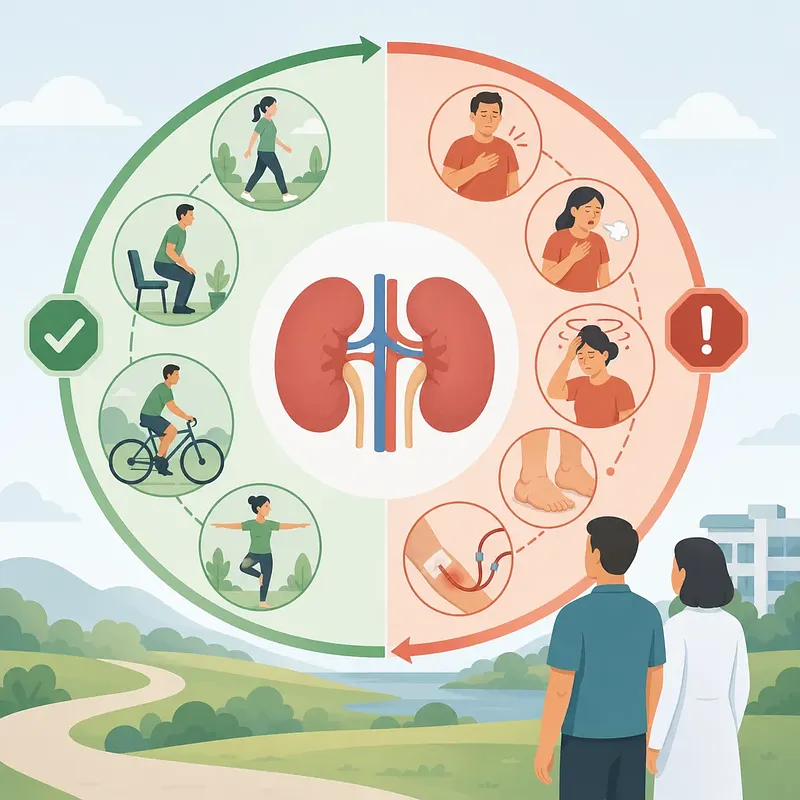
Stable chronic kidney disease alone is not a reason for prolonged bed rest. In fact, extended inactivity can reduce muscle strength, cardiorespiratory fitness, balance, and the ability to manage everyday activities. Clinical guidelines generally support regular, moderate-intensity activity within each patient’s cardiovascular and physical limits. However, expectations should remain evidence-based: research does not conclusively show that exercise slows kidney function decline or delays dialysis. This article explains when activity may be appropriate and when acute illness, unstable cardiac symptoms, severe shortness of breath, or dialysis vascular access problems should take priority. #KidneyHealth #ChronicKidneyDisease

Grok 4.6 Performance and API Pricing: How 500K Tokens Reshape Cost Competition
AI teams price a 500K Grok 4.6 run. Its list price is under half the price of two peers, but inputs over 200K may cost twice the rate. That makes workload architecture—not sticker price—the key cost variable. At launch, the model scored 61 on the Artificial Analysis Intelligence Index, placing it close to top-tier models. However, a small difference on one aggregate benchmark cannot establish accuracy, reliability, task-specific quality, or tool-use performance. Retry rates also change effective cost. The article explains how the input-output token mix and long-input surcharge shape spending relative to GPT-5.6 Sol and Claude Opus 5. It also shows why retrieval and context compression should be designed together for large code repositories, long document collections, and extended agent tasks. Engineering leaders, AI platform teams, and procurement professionals evaluating these workloads should read the analysis before selecting a model on benchmark score or list price alone. #GenerativeAI #AIAgents