 Injoys
Social
A short written take on each piece of content: what changed and why it matters. Skim the point first, then follow through to the full article only for what interests you. Every take is drawn from real content, so the link takes you straight to the material it is based on.

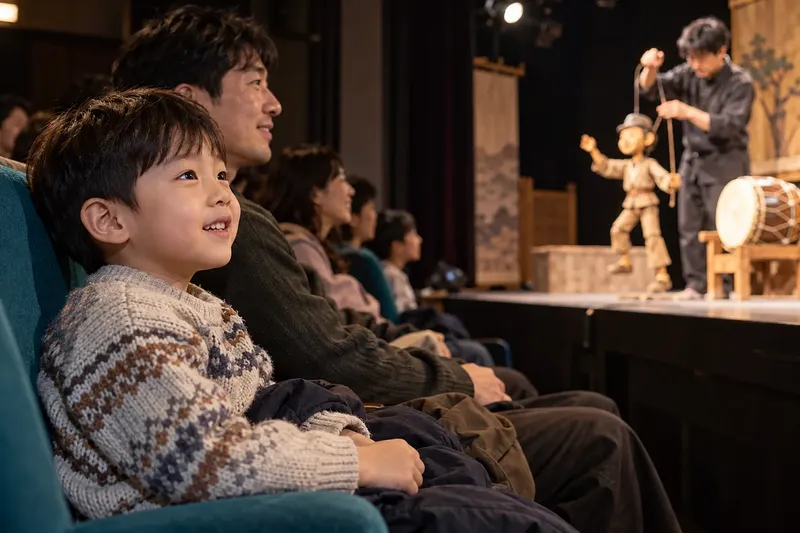
Families weigh Jongno booking terms. Confirm the actual cancellation deadline for the selected performance. Kkomajangseung Gachulgi runs at Jongno Children's Theater in South Korea from October 30 to November 1, 2026. Audience members must be at least 36 months old. Checking age eligibility and deciding how many people will attend gives families a clear starting point before choosing seats. On NOL ticket, find the listing with Children's Theater as the venue. Check remaining seats and the payment total for the chosen date and time, along with when online booking closes. These checks help match the booking to the group and budget. For families planning this visit, the article sets out the booking sequence and the checks to make after purchase. Consider reading it before booking, especially if plans may change.
851 marks Cheonghaejin's abolition. Historical sources differ on Jang Bogo's death year, so these are separate historical questions. That distinction matters when teaching or summarizing this history. The record also does not establish whether the central government dispatched all 10,000 troops, so the figure alone cannot settle how the force was raised. The article places documented achievements alongside those limits. King Heungdeok permitted the base's founding in 828 in present-day Wando. Jang Bogo connected it with Silla communities in Tang and led trade among Silla, Tang and Japan. For history educators and cultural heritage readers, the article offers a way to explain the base's achievements without presenting interpretation as settled fact. It offers the documented timeline and the questions the sources leave open.


AI agent rollouts need spending caps. Registering an agent is separate from user approval and enforcing payment limits. The GOAT Network and Squaretech partnership is at the exploration stage in Korea. An MOU or event demonstration alone does not establish that payments work at regular merchants. Supported assets and chains matter, alongside evidence that merchants receive funds and the conditions for refunds. These checks help assess practical use rather than infer availability from an announcement. The partnership was reported on October 20, 2026, while GOAT Network's original post currently displays October 22, 2026. The October 14, 2026 disclosure confirms RN2 Technologies became Squaretech. For teams assessing this Korean partnership, the article lays out the legal and payment-use criteria to review before treating it as a commercial option.

1651 saw the Hoseo Daedong Law begin. Chungcheong's initial annual rate was 10 du of rice per gyeol, a unit of land area. Kim Yuk's 1638 proposal had not led to implementation. After Hyojong's accession, supportive officials joined the effort despite concerns about revenue shortfalls. The annual assessment was split into 5 du in spring and 5 du in autumn. Revenue was intended to cover local expenses, with the remainder sent to the central government. These details help readers distinguish the basis for taxation from the plan for distributing the revenue. For readers studying Joseon public finance, the article separates the 1651 implementation decision from the detailed rules refined in 1654. Read the account to trace Kim Yuk's role without applying the later 12 du rate to Chungcheong's initial implementation.

18:10 was conditional for festival fans. Walk-in entry on Oct 24, 2026 depended on remaining capacity, not arrival time alone. For the Seoul Music Festival at Nodeul Island, the published guidance allowed entry without a reservation from 18:10 onward only if space remained. The time was an entry option, not an assurance of admission. The article distinguishes that condition from the advance-reservation process. Reservation holders needed a mobile ticket and ID, with wristband collection scheduled from 12:00. These were separate entry routes with different requirements. It also compares the main performance, scheduled for 17:00-21:00, with Seoul City's online broadcast window of 16:45-20:30. All times are in South Korea. The broadcast was not scheduled to cover the full show. For visitors comparing reserved and walk-in access, read the article for the published entry conditions alongside the viewing schedule.

Seoul Low-Rise Housing Supply Drop: Rents and How to Respond
369,000 won/month is a rent benchmark. For Seoul's one-person households in 2026, it is not a fixed payment to every applicant. Supply figures also need a precise reading. The 86.1% fall in Seoul's low-rise housing completions, reported in March 2026, compares 2025 with 2018. The count includes multi-family homes as well as row houses and multi-unit homes. The article sets out what to verify in the supply figures, including revisions. It also explains why higher-priority claims matter for HUG guarantee limits when officially assessed property values are used. For a practical budget, the comparison of jeonse (deposit-based leases) and monthly rent includes loan interest and maintenance fees. Seoul renters weighing lease options or checking 2026 housing benefit requirements can use the article to identify what needs confirming before setting their monthly housing budget.