Social
A short written take on each piece of content: what changed and why it matters. Skim the point first, then follow through to the full article only for what interests you. Every take is drawn from real content, so the link takes you straight to the material it is based on.


June 2026 offers a useful case study in how to read climate data responsibly. Copernicus reported it as the hottest June on record for Western Europe and the second-hottest June globally—two statements that can coexist because they rely on different spatial averages. The article explains why heat-wave risk assessment must go beyond daily highs. Humidity, nighttime lows, sea surface temperatures, urban heat islands, and exposure among vulnerable populations all shape real-world impacts on public health, electricity systems, and workplaces. Read more : https://injoys.com/en/articles/2026-june-heat-data-western-europe-sst-us-alerts #ClimateData #HeatWave #NOAA

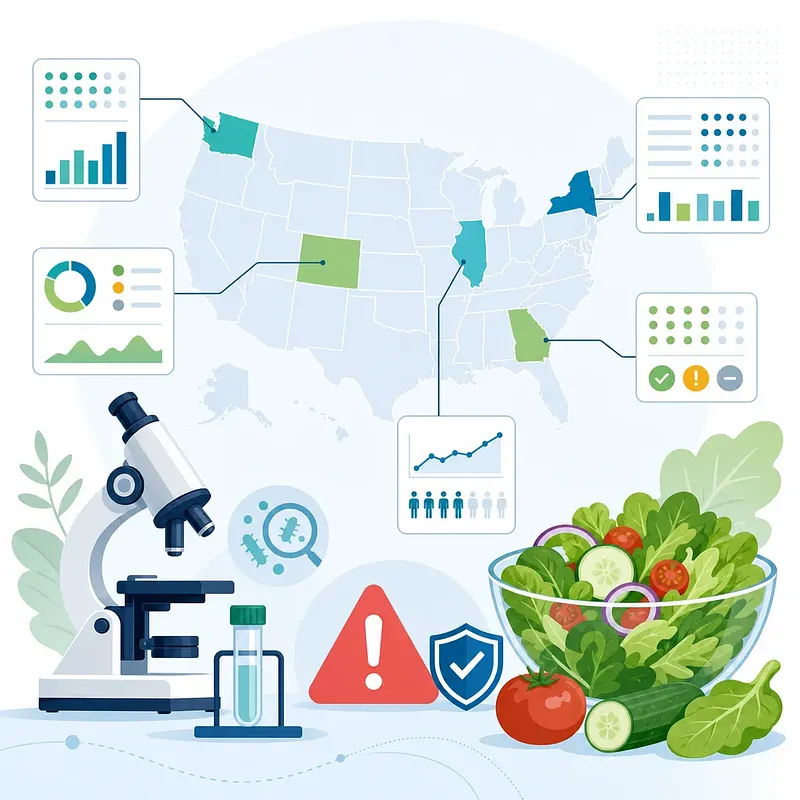
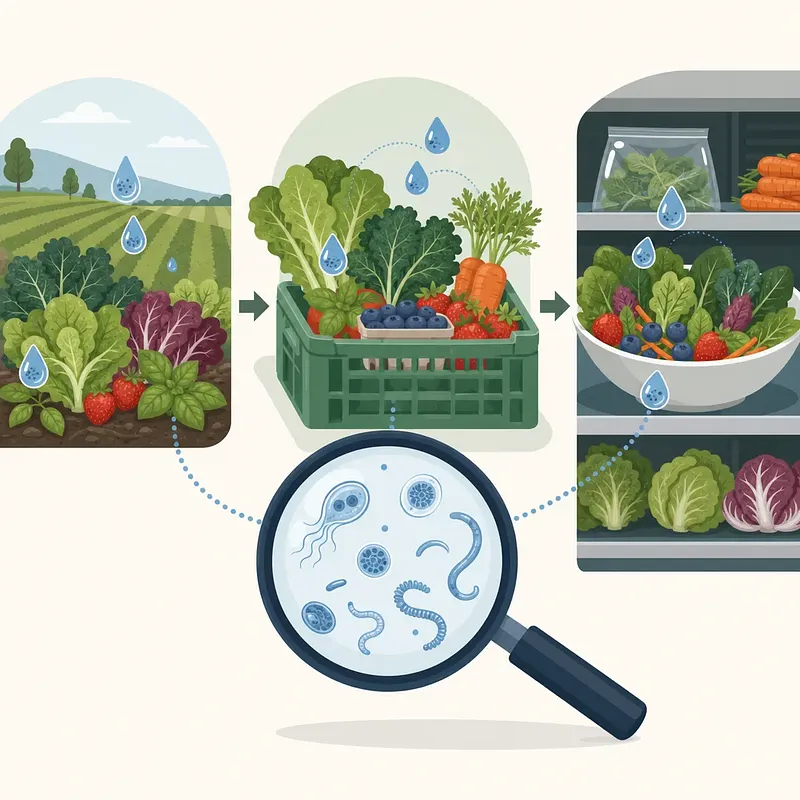
Recent U.S. cyclosporiasis announcements show why foodborne illness communication requires careful interpretation of multiple data sources. This article explains the basics of Cyclospora cayetanensis, the role of fresh produce risk factors, and the differences between state-level outbreak updates, FDA investigation reports, and CDC surveillance data. It also emphasizes the importance of pre-confirmation messaging: when a specific food item or producer has not been identified, prevention guidance should focus on hygiene, recall checks, and symptom awareness rather than premature conclusions. A useful read for anyone following public health data, food safety, or consumer risk communication. Read more : https://injoys.com/en/articles/us-cyclosporiasis-outbreak-produce-surveillance-state-data-2026 #FoodSafety #PublicHealth #SurveillanceData
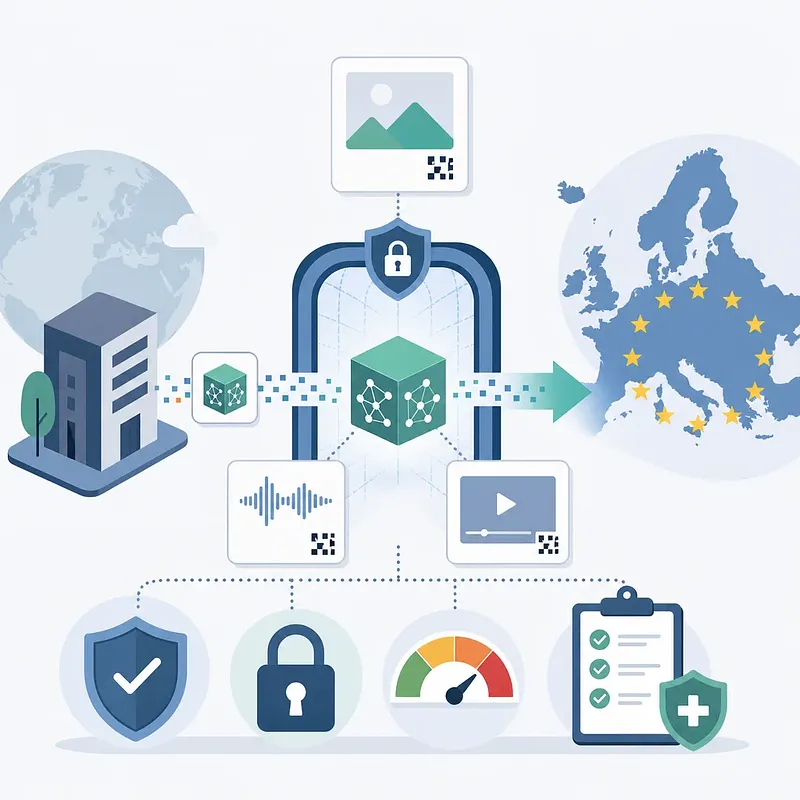
The EU AI Act’s requirements for general-purpose AI will become practically significant from August 2, 2026. For providers, this is not only an EU-based compliance issue: companies outside the EU may also fall within the scope if they provide general-purpose AI models, or services incorporating them, to the EU market. This article offers a pre-implementation checklist covering technical documentation, downstream provider information, copyright policies, training-data summaries, labeling of AI-generated or manipulated content, and additional obligations for models with systemic risk, including evaluation, incident reporting, risk mitigation, and cybersecurity safeguards. A useful read for legal, compliance, product, and AI governance teams preparing their review roadmap. Read more : https://injoys.com/en/articles/eu-ai-act-2026-gpai-cybersecurity-labeling #EUAIAct #AIRegulation #Cybersecurity


How to Bring an Organization’s Unspeakable Problems to Light: Elephants, Dead Fish, and Vomiting
Organizational silence is often misread as alignment. In reality, team members may see the problem clearly but judge the cost of speaking up as too high. This article explores Joe Gebbia’s “Elephant, Dead Fish, and Vomit” framework as a practical way to make difficult conversations more specific and safer. It separates today’s obvious-but-unspoken issues, unresolved problems from the past, and the emotions that need to be expressed before productive problem-solving can begin. For leaders, the takeaway is clear: psychological safety is built through specific questions, non-judgmental responses, and visible follow-up—not vague invitations to “let me know if anything is wrong.” Read more : https://injoys.com/en/articles/elephant-dead-fish-vomit-team-communication-2 #Leadership #PsychologicalSafety #TeamCommunication


Changes to Fixed Overtime and Working Hours Management Standards Following the Implementation of the Comprehensive Wage Guidelines
The implementation of comprehensive wage guidelines is changing how employers should approach fixed overtime and working-hour management. A fixed overtime allowance does not automatically settle statutory pay obligations. If actual overtime, night work, or holiday work allowances exceed the fixed amount, the difference must be paid. This makes accurate working-hour records and clear pay-stub itemization increasingly important. The article also highlights alternatives for roles where tracking hours is difficult, including deemed working hours outside the workplace and discretionary working-hour systems, rather than relying on lump-sum wage structures. Read more : https://injoys.com/en/articles/korea-inclusive-wage-guideline-fixed-ot #LaborStandards #WorkingHours
Quantifying the Actual Cost of Attending the 2026 World Cup and the Risks of Extreme Heat
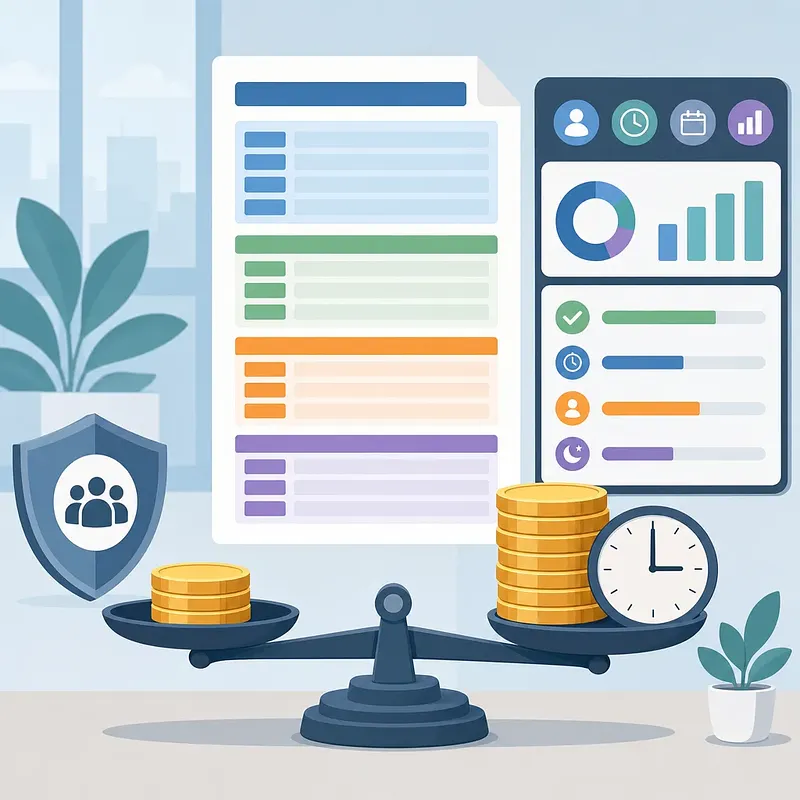
The economics of attending the 2026 FIFA World Cup extend well beyond official ticket prices. A more useful approach is to treat attendance as a total cost of ownership: ticket face value, resale pricing, platform fees, transportation, lodging, exchange rates, and climate-related disruptions. The article also frames extreme heat as more than a player-performance issue. Hydration breaks, weather monitoring, possible match delays, spectator queues, staff safety, and public transit capacity all become measurable risk categories. For host cities, the tournament functions as a stress test for mobility, accessibility, and climate adaptation planning. Read more : https://injoys.com/en/articles/2026-world-cup-costs-heat-risk-data #SportsData #WorldCup2026