 Injoys
Social
A short written take on each piece of content: what changed and why it matters. Skim the point first, then follow through to the full article only for what interests you. Every take is drawn from real content, so the link takes you straight to the material it is based on.


Sellers budget for income-based tax. US long-term capital gains rates depend on taxable income, including home-sale gains. A federal rate alone is not a complete California sale estimate. State income tax and the net investment income tax also need consideration where applicable. For eligible married couples filing jointly, the $500,000 home-sale gain exclusion reduces the gain subject to tax; it is not a reduction of the tax bill by that amount. The article compares Korea and California using matching tax stages and deduction conditions. It also revisits the Korean joint-ownership example, where ownership shares and deduction conditions must be specified to reproduce the calculation. Homeowners and advisers comparing the two systems can read the article for the recalculated example and the limits of a federal-only comparison.

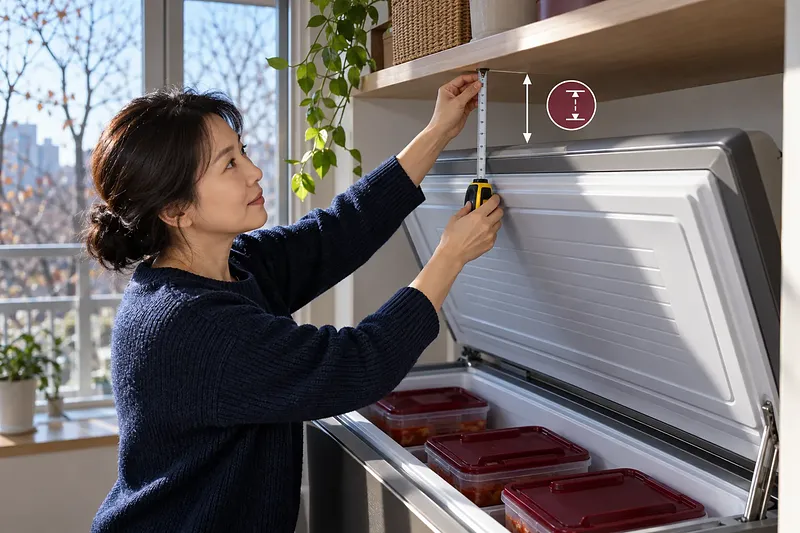
2023 data helps fridge buyers budget. Compare the appliance price plus needed containers, delivery and installation. A maximum container-storage figure may include containers purchased separately. Treating that figure as the capacity of the included set can leave extra container costs out of the comparison. The article distinguishes total usable capacity from kimchi-container storage, then separates the included container set from the maximum with extras. Compartments reserved for other foods should stay outside the kimchi storage calculation. Checking door and drawer clearance separately from installation dimensions also helps plan everyday access, not just where the appliance sits. Buyers comparing kimchi refrigerators can use the article's checks before setting a storage target and purchase budget. The guidance draws on a 2023 comparative test.

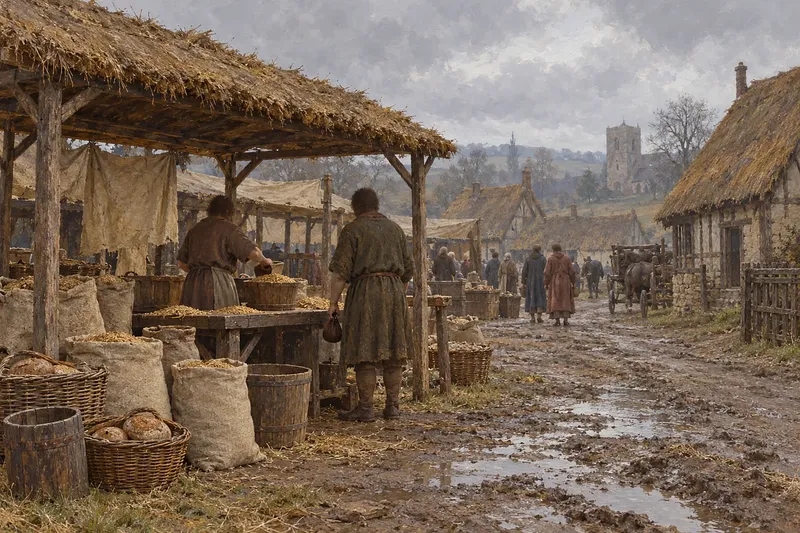
Historians compare annual contracts. Research on women hired annually shows that improvements in working conditions varied by group. England's labor shortage after the Black Death did not produce an immediate, uniform improvement in living standards. Rising food prices could weaken the buying power of higher cash wages, while recurring outbreaks delayed recovery. The article places the research on women hired on annual contracts alongside the 1349 Ordinance of Labourers and the 1351 Statute of Labourers, measures intended to control labor amid shortages. Competition for workers and tenants also encouraged leases and weakened serfdom, the system tying peasants to lords. Researchers and students of medieval England can read the full article to distinguish gains in cash pay from changes in land terms and working conditions.
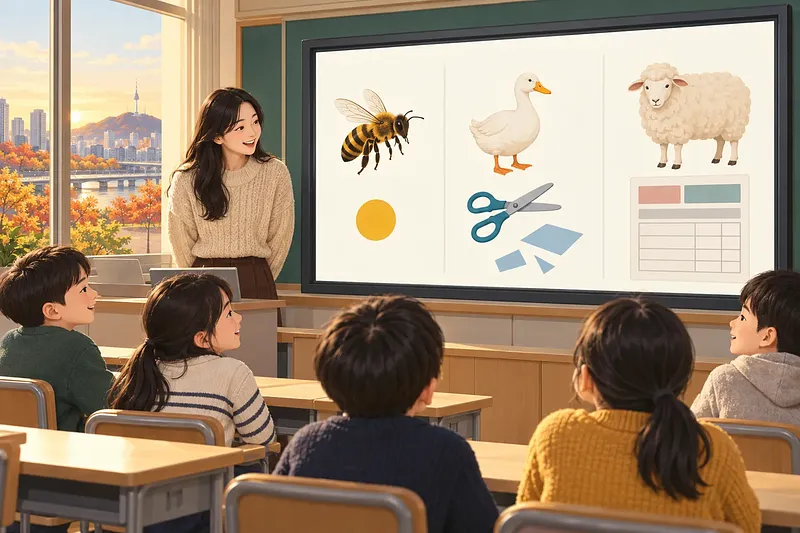
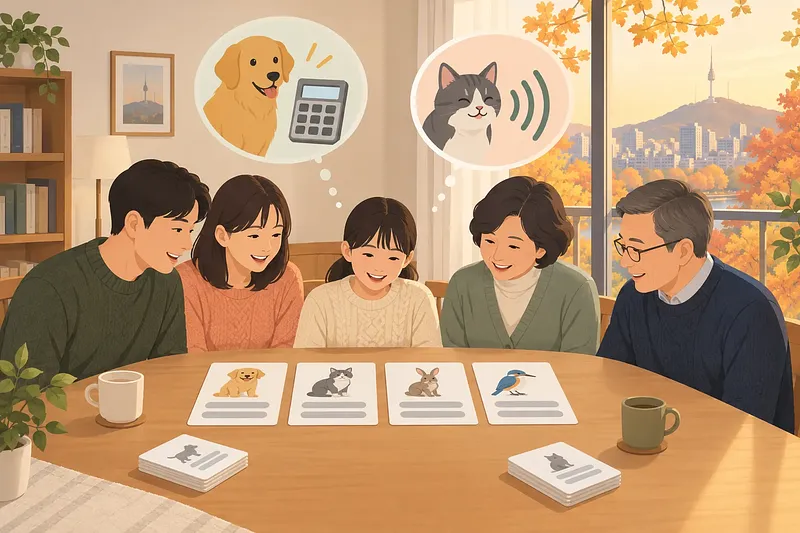
Teachers get two kinds of animal puns. Some use double meanings; others change familiar sounds. What did the snake remove to shorten its presentation? The tail end. The collection pairs each of its 12 English questions with an answer, a short explanation and a suggested setting. That gives teachers a ready-made starting point for a classroom conversation, with the wordplay already explained. Family hosts can use the same format at gatherings. The article suggests a brief pause after the question so listeners have time to make the connection before the answer. Read the collection to choose a joke and an explanation that fit the setting.
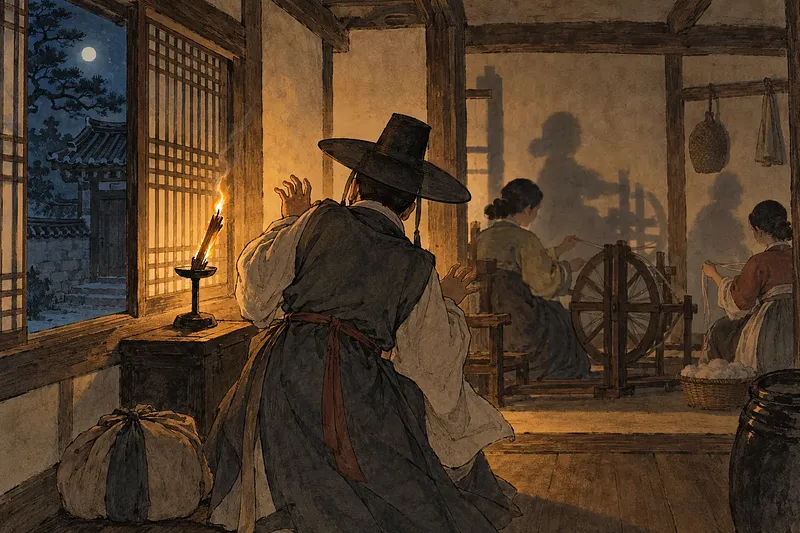
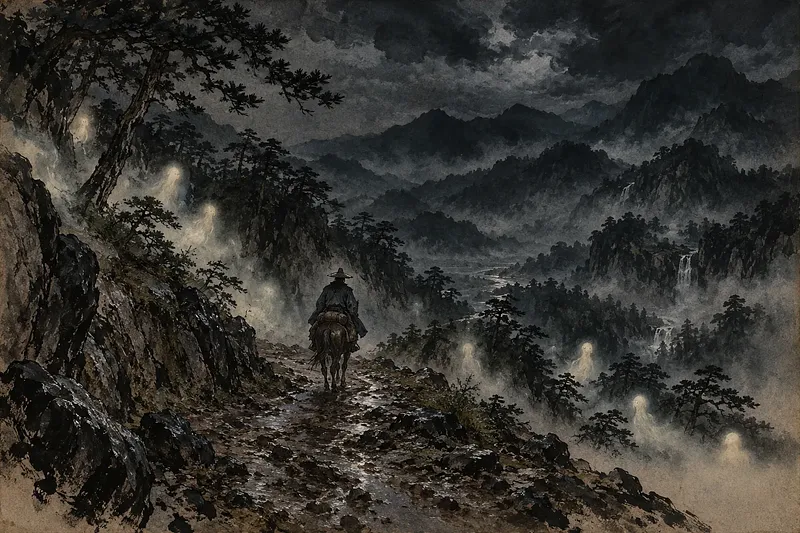
Ghost lights recur in study summaries. The mountain-road scene belongs to Prefect An's tale, not a separate version. Seong Hyeon recorded this traditional tale in volume 3 of Yongjae Chonghwa during the early Joseon period. The article retells the Classical Chinese account in fresh language, following Prefect An from lights on a night road to a villa. The article distinguishes the story's humor from later interpretations. It also sets a limit: this anecdote alone cannot establish the origins of ghost light traditions or the natural cause of the lights. Readers comparing Joseon folktales with research summaries can start with the full retelling and its distinction between the original anecdote and later readings.
G-STAR 2026 Tickets and Busan Game Culture Festival Guide
Nov 19, 2026 is a festival day for fans. Opening-day performances are one factor to weigh when choosing a visit date. G-STAR admission booking and Game Culture Festival planning are separate parts of the guide. The festival runs November 19-22, 2026, at BEXCO Exhibition Center 2 in Busan, South Korea. General visitors start in the official G-STAR site's BTC menu. Select a visit date and ticket type, then book no later than the day before the visit. Youth tickets require supporting documents. Admission wristbands are collected at the venue, so booking is not the only entry step to prepare for. For visitors planning around game demos, performances or esports viewing, the guide helps separate ticket preparation from activity choices. Read it for booking steps and program locations, then check schedules and the chosen program's operating information to plan the day.