 Injoys
Social
A short written take on each piece of content: what changed and why it matters. Skim the point first, then follow through to the full article only for what interests you. Every take is drawn from real content, so the link takes you straight to the material it is based on.

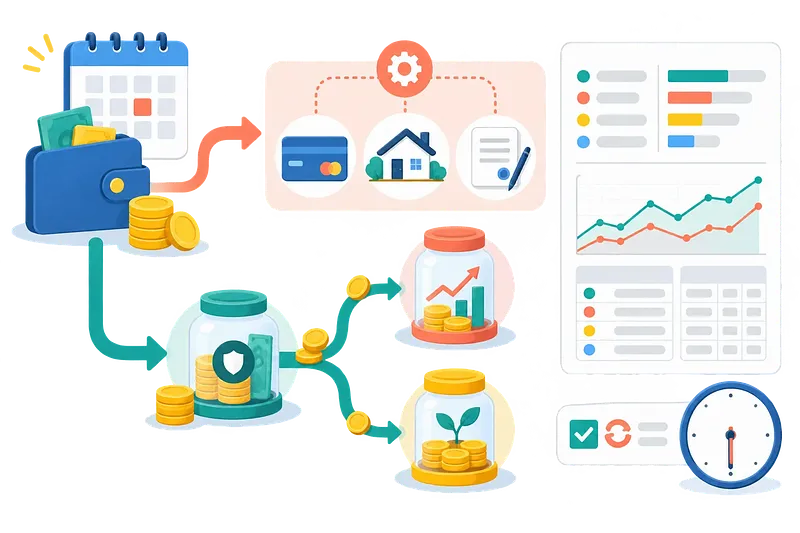

Can earners move bills the day after payday? Use the income date as the reference point, then automate fixed expenses such as card and loan payments the following day. This makes the remaining cash easier to identify and manage. The routine shows how to move that balance into a CMA reserve, allocate the investment portion between an ISA and pension savings account, and confirm that actual products are purchased each month. It is designed around the date salary or business income arrives. #PaydayRoutine #AssetAllocation #ISA #EverydayFinance
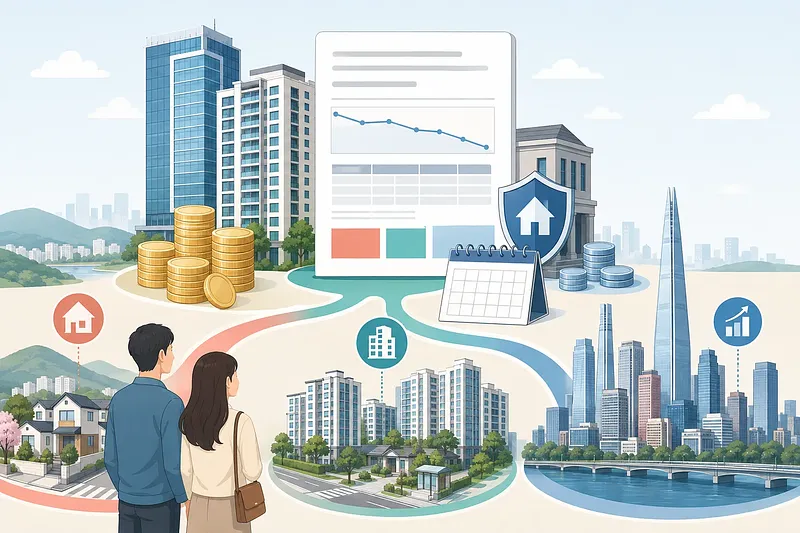

Samsung staff may access a 1.5% home loan. The terms are reported rather than officially confirmed here, so employees should verify the details in Samsung Electronics’ official benefits guidance. The reported caps are ₩500 million for a home purchase and ₩300 million for a rental deposit. Repaying ₩500 million over 10 years would mean about ₩4.49 million each month, while a senior lien registered at 110% may leave less room for additional bank financing. Together, these figures help employees judge the monthly budget and purchasing power behind the headline rate—not just the maximum available amount. The stated condition applies when neither the employee nor their spouse owns a home. #SamsungElectronics #Homeownership #HousingLoans #HousingMarket

US Dollar Index: 100 Baseline and Interpretation

March 1973 sets the US Dollar Index baseline. A reading above 100 means the dollar is stronger than at that date—not that USD/KRW or purchasing power has risen. The article shows how six currencies form the index and why its comparison target differs from the won. That distinction helps readers interpret opposite moves without treating two different measures as the same signal. It also explains why euro and Swiss franc weights and rankings should be checked against official US Dollar Index composition data. For readers tracking broad dollar strength alongside the Korean won. #DollarIndex #ExchangeRate #ForexMarket #KoreanWon


Anthropic's $2 trillion headline hits a feed. The figure and the reported late-September timing are media scenarios, not official terms. $2 trillion values the whole company; it is not the cash raised in the offering. The article explains how offer size, the proportion of new shares, and sales by existing shareholders give a clearer view of potential market supply. It also shows why the revenue multiple needs the latest annualized revenue data, and why a same-year market decline cannot be attributed to a mega-IPO without evidence. For investors assessing the reported IPO scenario, the decisive checkpoint is the public registration statement. #Anthropic #GenerativeAI #InvestorPsychology #Diversification
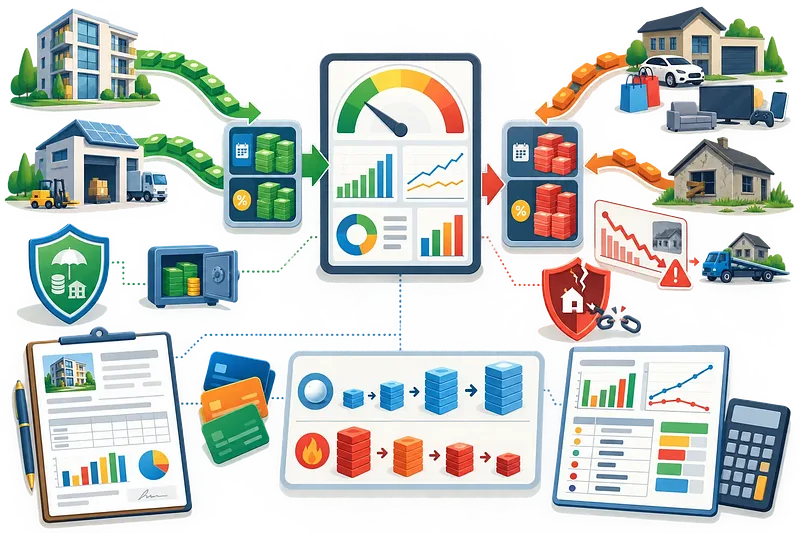
Good Debt vs Bad Debt: Cash Flow Test

Can business buyers repay debt after expenses? Revenue alone does not answer that question. The article shows how net cash flow, principal and interest payments, collateral declines, and personal guarantees affect the good-debt or bad-debt assessment. This can help borrowers see whether repayments may strain earned income. It also explains forced-sale risk in stock-secured loans and compares the snowball and avalanche methods for paying off credit card balances. For people weighing consumption debt, an income-producing asset, a business acquisition, a stock-secured loan, or card debt. #EverydayFinance #Loans #BehavioralFinance #CreditCard
How to Build AI Agents for Different Roles
A team defines AI agent rules before testing. The guide explains how to set the role, input materials, conduct rules, output format, approval chain, and prohibited actions. Clear boundaries make human review more consistent and keep early tests focused. Begin with classification and drafting, without email delivery or schedule changes. Track accuracy, omissions, revision volume, and processing time, then expand tools or agents only where acceptance criteria are met. This approach is for teams handling frequent, repeatable work with results a person can review. #AIAgents #PromptEngineering #GenerativeAI #Productivity