 Injoys
Social
A short written take on each piece of content: what changed and why it matters. Skim the point first, then follow through to the full article only for what interests you. Every take is drawn from real content, so the link takes you straight to the material it is based on.

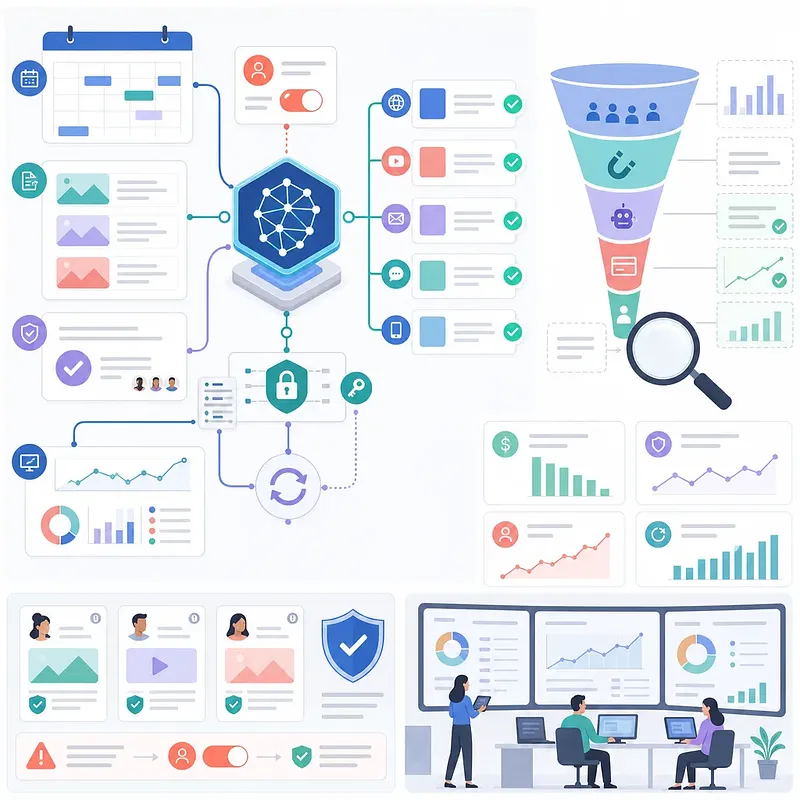
Is AI SaaS growth about adding more features—or making automation more dependable? Using the Postiz case, this article looks at demand signals, case-based content, conversion measurement, acquisition costs, API security, and failure recovery. It also explains why reported revenue and churn figures should be validated. Check out the article for a practical framework.


Is MAU really enough to decide who is winning Korea’s platform competition? Not when it leaves out usage frequency, revenue contribution, transaction conversion, and costs. This article compares Naver’s integrated AI stack with Kakao’s service-focused approach—and explains why AI revenue, inference costs, and return on capital may matter more. Check out the full analysis.


Some drama quotes stay with us because they put hard feelings into words. But what can you actually do with that message on an exhausting day? This article looks at choosing one controllable next step, tracking practice during slow periods, maintaining boundaries, and facing fear within safe limits. Check it out for a grounded approach to motivation.


Google's AI Strategy: Why Distribution and Inference Economics Matter More Than Model Competition
Is the AI race really decided by benchmark scores? This article looks at Google’s broader advantage: distributing Gemini through Search, Android, Chrome, Workspace, and Cloud while using its own TPUs to control inference costs. It also identifies practical measures of success, including retention, task completion, cost per response, and search revenue. Check out the full analysis.


8.13 Three-Part Youth Housing Support Package: Homeownership, Semi-Jeonse, Jeonse, and Risks to Check
What does Korea’s three-part youth housing proposal actually cover? This article breaks down the planned support for homeownership, semi-jeonse, and jeonse, including proposed eligibility and an illustrative monthly repayment. It also explains why non-apartment buyers should separately review appraisal values, legal rights, building status, repair costs, and resale prospects. Check the article before relying on terms that have not yet been finalized.

October 2026 Intercity and Express Bus Fare Cap Increase of 9%: How It Applies and What to Check
October 1 bus searches may show a new fare. The scheduled 9% increase applies to intercity and express bus fare caps, while the actual ticket amount may differ by route, operator application, and discount conditions. The article explains when the change takes effect and why the booking screen is the best place to confirm the amount needed for a trip budget. This applies to intercity and express bus passengers from October 1, 2026. Read the article before booking a route. #BusFares #EverydayFinance