 Injoys
Social
A short written take on each piece of content: what changed and why it matters. Skim the point first, then follow through to the full article only for what interests you. Every take is drawn from real content, so the link takes you straight to the material it is based on.

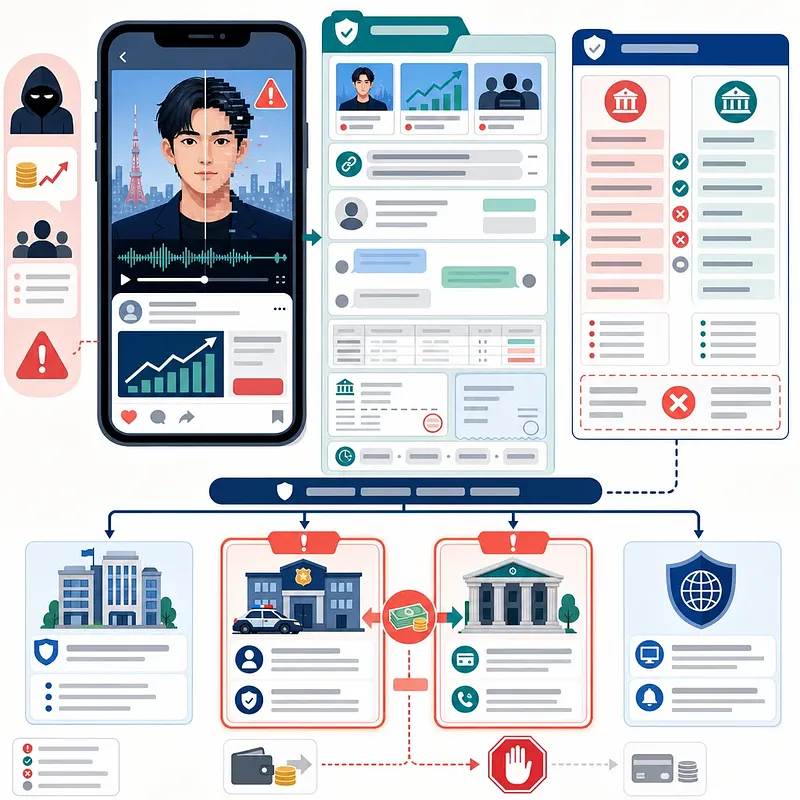
Deepfake investment advertising creates both fraud risk and an evidence-preservation challenge. When a suspicious celebrity endorsement appears in Japan, it is important to stop engaging and retain the ad URL, library ID, account address, and original screenshots before content or accounts disappear. The article explains how to verify a displayed company and registration number against the Financial Services Agency’s registered-business list, and how to preserve LINE messages, investment website screens, and complete transfer details without editing them. It also distinguishes the roles of the Financial Services Agency, the Internet Hotline Center, financial institutions, and the police. If funds have already been transferred, immediate contact with the sending and receiving institutions—and the police—takes priority over reporting the advertisement. #Deepfake #InvestmentFraud


Flood insurance planning should begin well before hurricane alerts appear. NFIP coverage generally does not take effect until 30 days after enrollment and payment, which can leave households without timely protection if they wait for a storm warning. This guide explains how to review FEMA flood maps and local evacuation zones, prepare the information needed for an application, and compare NFIP and private policies. Important factors include coverage limits, deductibles, exclusions, waiting periods, lender acceptance, and the policy’s confirmed effective date. It also covers practical preparation beyond insurance, including property inventories, emergency supplies, evacuation routes, and weather alerts. Starting early gives homeowners time to evaluate coverage carefully and resolve questions before peak hurricane season. #FloodInsurance #RiskManagement #DisasterPreparedness


Improved performance at Samsung Electronics and SK hynix strengthens their potential capacity for shareholder returns, but it does not confirm a special dividend or large-scale share buyback. A sound assessment starts with free cash flow after capital expenditures and working-capital needs. For Samsung Electronics, any special dividend depends on cumulative free cash flow and a board decision. For SK hynix, HBM profitability must be weighed against major investment requirements, financial structure, and possible share issuance. The article also explains when buybacks create meaningful value for existing shareholders and why widely circulated figures should be treated as scenarios unless supported by official disclosures. #Semiconductors #ShareholderReturns

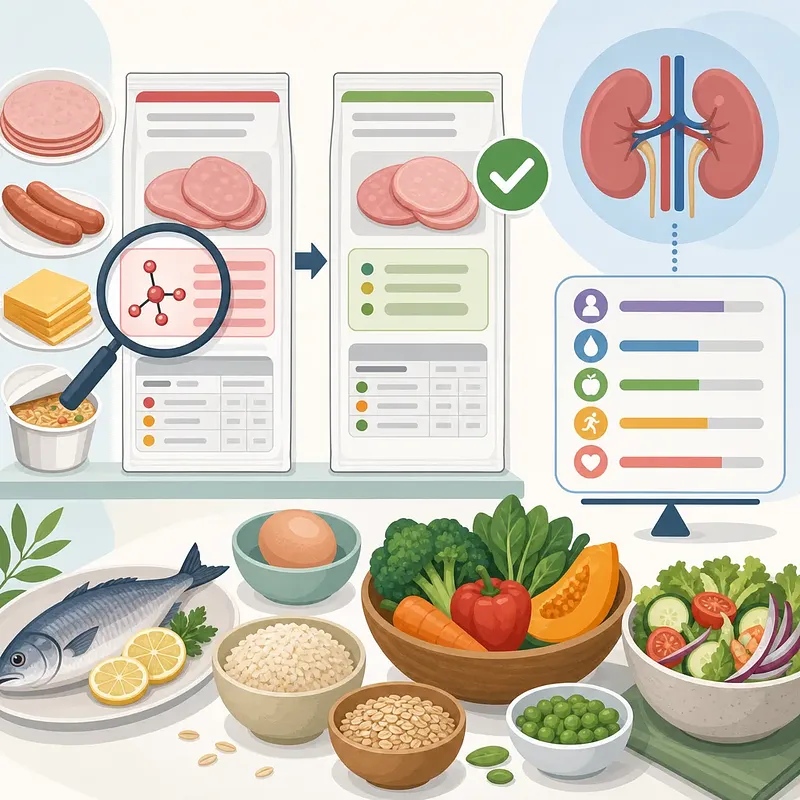
How to Choose Foods with Less Phosphorus from Additives
Phosphorus management is not only about avoiding naturally phosphorus-rich foods. Inorganic phosphorus used in processed-food additives is generally more readily available to the body, making ingredient-list checks a practical step for people with reduced kidney function. Even when phosphorus is absent from the nutrition facts, shoppers can look for phosphoric acid and phosphate-based additives. Comparing products within the same category—such as ham, sausages, processed cheese, and instant foods—may help identify choices with fewer additives. For people with chronic kidney disease, dietary restrictions should reflect test results and the stage of treatment. Broad food elimination without professional guidance may be inappropriate. #KidneyHealth #ChronicKidneyDisease


The UK’s temporary 2026 MenB vaccination program offers two free doses to eligible young people, including certain first-time entrants to university or residential further education. Understanding the correct booking route is important. In England, the 17- to 18-year-old birth cohort should book online through the NHS, while the separate new-student group should use a participating pharmacy. New students may need an acceptance email, letter, or UCAS acceptance screen as proof. The first dose should be received by 31 December 2026. The second must follow at least four weeks later and be completed by 31 March 2027. The article outlines eligibility, preparation, booking, and record-keeping. #MenBVaccine #AdolescentHealth

6 Prompting Principles for Improving Claude Code Output Quality
The quality of coding-agent output often depends on the quality of the task specification. A request to simply “generate the code” can leave too much room for ambiguity around scope, structure, failure handling, and completion. This article outlines six prompting principles for Claude Code: consolidate context and constraints, establish a concrete output contract, define exception policies, divide implementation into reviewable stages, and validate revisions against measurable acceptance criteria. It also includes reusable prompt templates for new agent development, feature additions, and bug fixes. The result is a more disciplined workflow that makes generated code easier to assess, test, and improve. #PromptEngineering #ClaudeCode #AICoding