 Injoys
Social
A short written take on each piece of content: what changed and why it matters. Skim the point first, then follow through to the full article only for what interests you. Every take is drawn from real content, so the link takes you straight to the material it is based on.


The proposed 2027 reform of Korea’s Hometown Love Donation Program could make the recipient region an important factor in tax planning. Currently, individuals may donate up to KRW 20 million annually to eligible local governments outside their registered residence. Donations of up to KRW 100,000 are fully credited when national and local income tax effects are combined. Under the proposal, different rates would apply to the portion above KRW 100,000 based on regional classifications. One preferential example sets a 55.0% rate for the portion above KRW 100,000 and up to KRW 200,000, and 27.5% above that amount. These details remain subject to legislation. Donors should also remember that a tax credit does not automatically guarantee a cash refund; actual savings depend on final tax liability. #TaxCredit #HometownLoveDonation

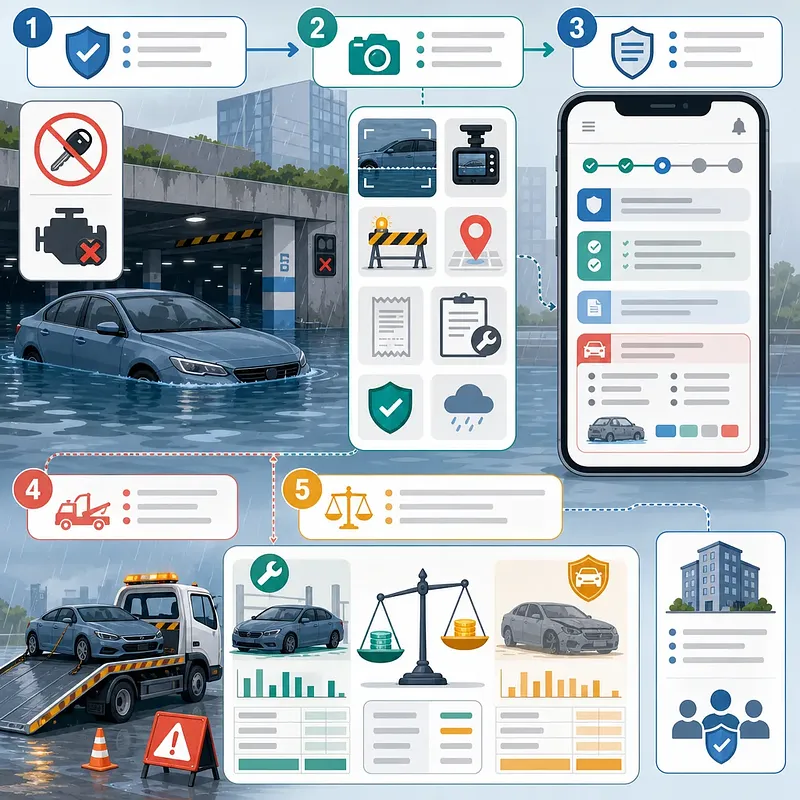
Flood damage can turn into a more serious mechanical or electrical problem if a vehicle is started too soon. The first priorities are personal safety, leaving the vehicle off, and preserving evidence such as photos, dashcam footage, and emergency alerts. This practical guide outlines the claims process—from checking own-damage coverage and relevant riders to obtaining a claim number and following insurer-approved towing instructions. It also explains how repair estimates, vehicle value, deductibles, and total-loss decisions are reviewed, along with potential effects on premiums and questions of facility manager or other third-party liability. #AutoInsurance #RiskManagement #InsuranceClaims

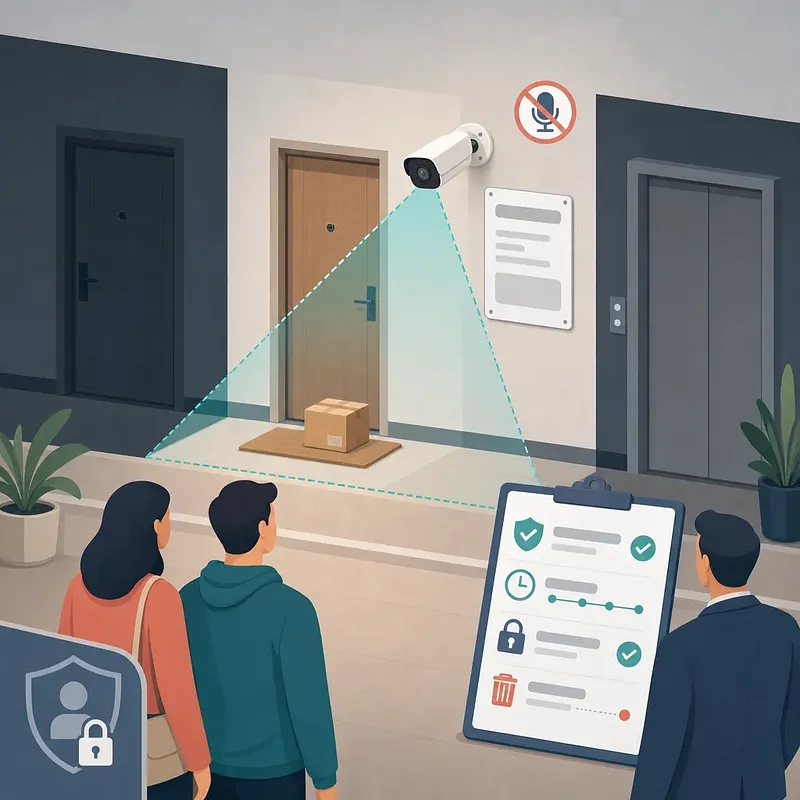
Consent and Recording Rules to Check Before Installing an Apartment Entryway Home Camera or CCTV
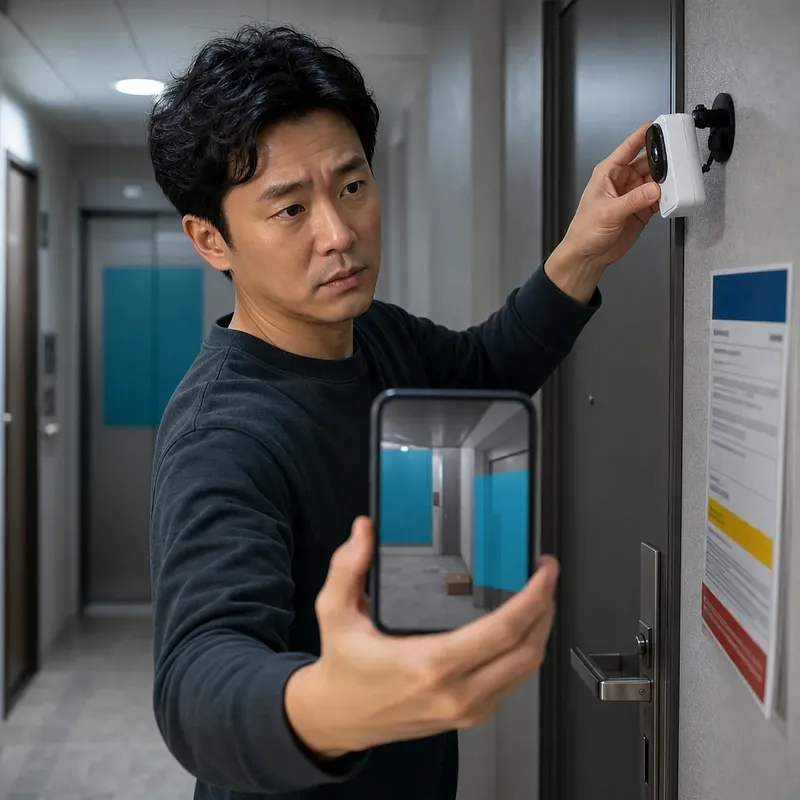
Installing a camera outside an apartment door involves more than choosing equipment. If the camera captures a shared hallway, neighboring entrance, or elevator, common-area management and personal data protection issues may arise. A practical installation process starts with checking the actual field of view and confirming approval or reporting requirements with the management office and landlord. Residents and regular passersby who may be recorded should be consulted about the purpose, viewing angle, and retention period. Before operation, unnecessary audio or facial-tracking features should be disabled, sensitive areas masked, notices posted, and rules for access, deletion, viewing, and third-party provision documented. This article provides a step-by-step checklist for responsible setup. #PersonalData #CCTV
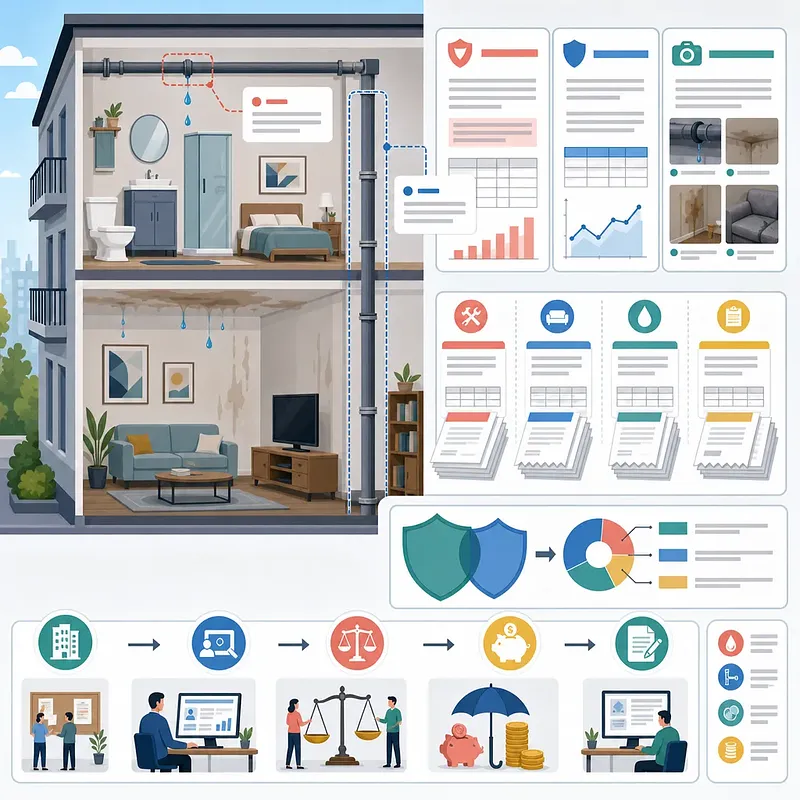
Four costs face apartment leak filers. Downstairs repairs, detection, pipe repair, and home restoration follow different coverage criteria. A claim can be misjudged when the source is uncertain or multiple policies are in force. The policy valid on the incident date, insured parties, property address, deductible, and legal liability all affect the review. The article presents a decision-ready process: notify management and the insurer, preserve photos and video before removal or repair, and use the leak detection report to distinguish exclusively owned areas from common areas. It also explains how to itemize estimates and receipts so each cost category reaches the relevant claims department. Owners, tenants, and management entities handling damage to a lower unit should read the article. It also covers written calculations for covered items, proportional allocation, deductibles, and denial reasons when multiple insurers are notified. #InsuranceClaims #PropertyManagement

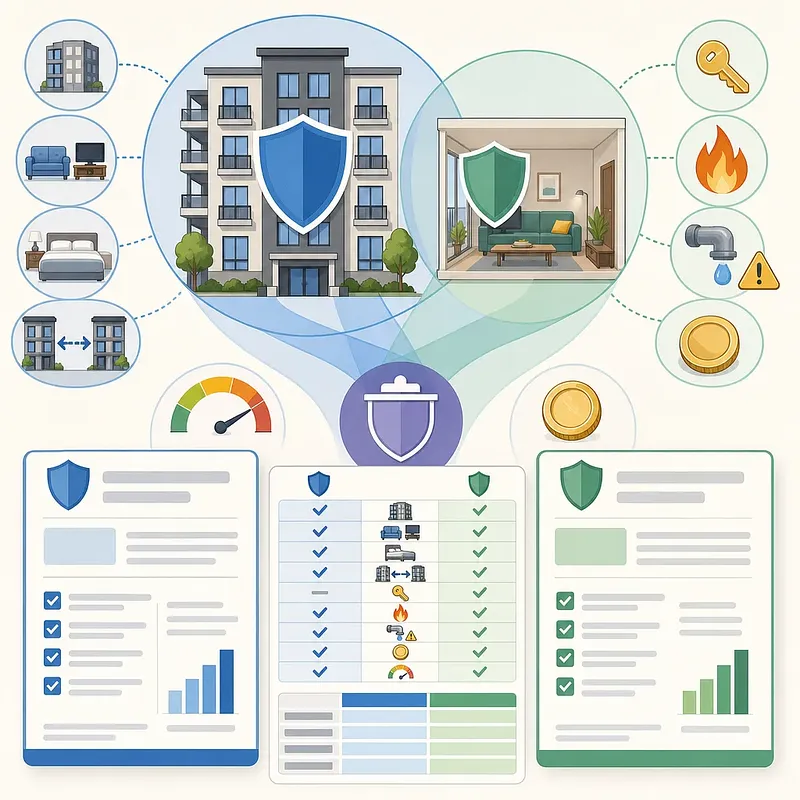
Comparing Coverage Between Apartment Group Fire Insurance and Personal Home Fire Insurance
Owners weigh group fire insurance alone. Its existence does not establish that every household, person or property is fully covered. Contract terms can assign different insured parties, property, limits, deductibles and access to coverage for each unit. A sound comparison starts with the management office’s policy. Check building restoration, household contents, temporary living expenses, tenant liability and damage to neighbors. Then assess whether personal cover is needed only for the remaining gaps. This can help protect household cash flow and make post-loss arrangements more manageable. Premium is only one variable. Compare the insured amount with insurable value, claim settlement standards, exclusions and deductibles. Indemnity-based building, contents and liability cover generally cannot pay more than the actual loss, while ordinary plumbing leaks and downstairs leak liability are not automatically part of basic fire cover. Owners should read this first for restoration and neighbor liability; tenants should focus on contents and tenant liability. Read the article before structuring additional coverage. #FireInsurance #HomeownersInsurance

2026 Workforce Pell Grant Eligibility and FAFSA Process
Workforce Pell Grants can support eligible short-term career training, but program approval is a critical first step. The program must last at least 8 but less than 15 weeks, be certified by a state government and receive approval from the U.S. Department of Education. Prospective students should confirm that status with the school’s financial aid office, along with the applicable term, tuition estimate and refund policy. The next steps are submitting the 2026–27 FAFSA, providing required contributor information and ensuring the school records the enrollment as Workforce Pell-eligible. The final aid review should also account for scholarships, cost of attendance, Pell lifetime eligibility and the remaining out-of-pocket amount. This guide explains each step and the questions to ask before enrolling. #WorkforcePellGrant #FAFSA