 Injoys
Social
A short written take on each piece of content: what changed and why it matters. Skim the point first, then follow through to the full article only for what interests you. Every take is drawn from real content, so the link takes you straight to the material it is based on.


Satellite repair is moving into orbit. The launch-and-discard model is being challenged by services that can inspect, capture, refuel, reposition or retire spacecraft. Using the reported Swift rescue mission as its central example, the article explains how rendezvous, grappling and orbital ascent could preserve long-term observations, reduce data-gap risk and avoid the cost of a replacement launch. Its scope extends from the July 2026 report to commercial operations, space debris, liability and dual-use risks. Read the full analysis for the technologies and trade-offs shaping this industry. #OrbitalServices #SatelliteRepair


77.0% of new businesses survive year one. That also means more than two in ten close within a year. By year three, the survival rate across the top 100 consumer-oriented sectors falls to about 52.3%. The article explains why online retail trails the average, which sectors show steadier indicators, and how fixed costs, break-even revenue, competition, and repeat demand can guide a more grounded launch decision. For prospective self-employed founders reviewing 2024 National Tax Service data. Read the full analysis before choosing a sector. #SelfEmployment #StartupPlanning


A parent meets age verification at app setup. The checker may be the app store or each platform, while another regulatory model blocks social media below a set age. The article compares parental consent, ID and facial recognition, data retention, and the resulting privacy and speech trade-offs. It also explains the different direction of U.S. state lawsuits and Australia's nationwide approach. Read the full comparison to see which policy questions need separate tracking. #MinorProtection #DataPrivacy


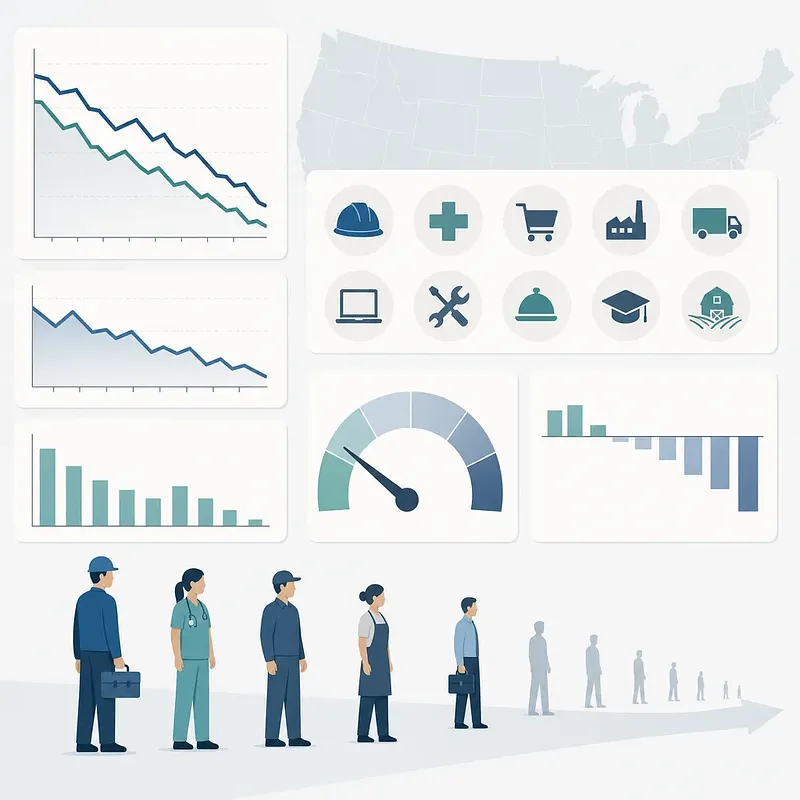
Do 57,000 U.S. jobs confirm a slowdown? Not from one month alone. The unemployment rate fell to 4.2%, but lower participation or contracting labor supply can also pull that figure down. This analysis puts payrolls beside wages, prior-month revisions, 3- and 6-month averages, and industry breadth for a more grounded view of the Fed’s rate outlook. For readers following the U.S. labor market and interest-rate decisions. Read the full analysis. #USEmployment #LaborMarket

Excess deaths reveal heat-wave harm. A death certificate’s direct cause may not capture the broader mortality impact, which is why excess-death estimates matter. The article explains how UTCI adds humidity, wind, and radiant heat to temperature readings, helping shape early warnings, cooling centers, work-hour adjustments, and protections that make extreme-heat days safer. It focuses on Europe’s July 2026 warning and France’s June 2026 heat wave. Read the analysis for the full public-health context. #HeatWave #PublicHealth #HeatStress

Why Office-Apartment Brokerage Commissions Are Higher Than Those for Residential Properties, and How They Are Calculated
Do qualifying officetel buyers face a 0.5% cap? Living in the unit does not automatically make the residential brokerage schedule apply. Officetels are classified as commercial facilities under the Building Act. The article explains the 0.5% sales and exchange cap, the 0.4% lease cap, and when fees can be negotiated up to 0.9%. Since these are maximums rather than fixed charges, knowing the category helps buyers and tenants negotiate before signing. The separate caps apply to units of 85㎡ or less with a private kitchen, flush toilet, and bathing facilities. Read the article for the full calculation rules. #Officetel #BrokerageFees