Injoys
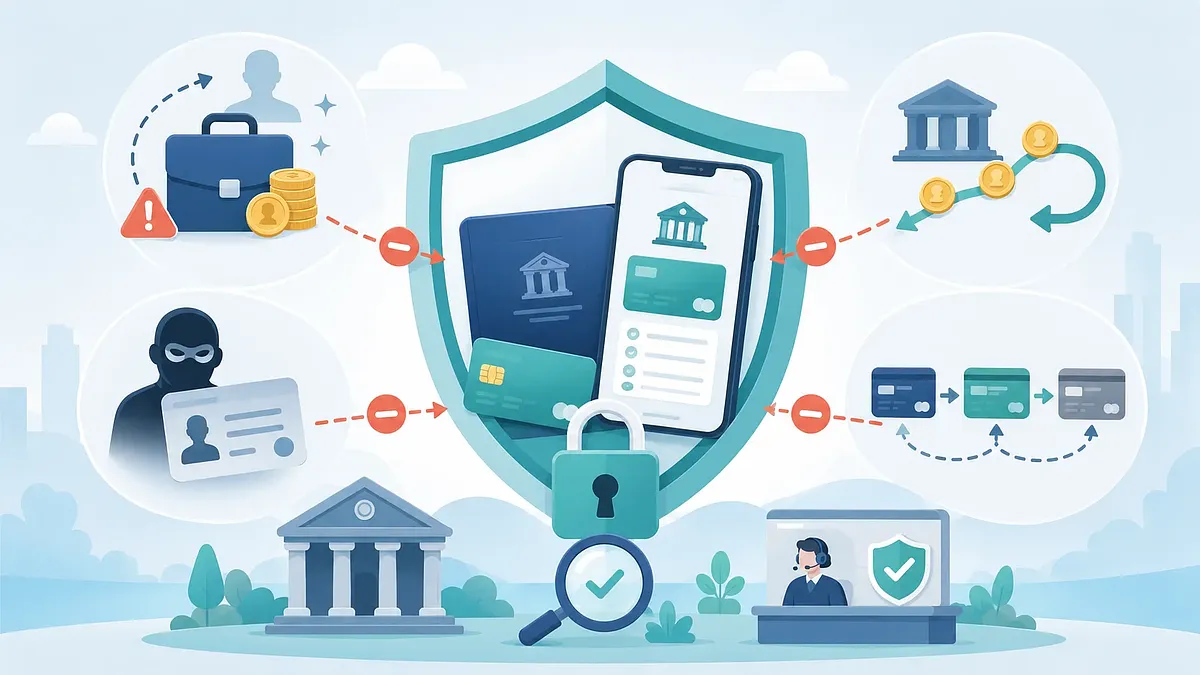
A “front account” is a bank account used in financial crimes such as voice phishing, loan fraud, illegal gambling, and romance scams to temporarily receive or transfer stolen funds. While they may appear to be normal accounts on the surface, in reality, they are often controlled by criminal organizations rather than the account holder, or the account holder is unwittingly drawn into the flow of funds without realizing the criminal nature of the activity.
This article is not intended to replicate criminal methods but serves as a safety guide to help readers understand how victims are deceived and what preventive measures to take.
What Is a “Dapo” Account?
A “straw account” generally refers to an account where the registered holder is different from the actual user or controller. Here, the term “account” does not refer solely to a paper passbook. It also includes any means of access that can be used to manage the account, such as internet banking, mobile banking, debit cards, ATM cards, passwords, OTPs, and digital certificates.
Under South Korea’s Electronic Financial Transactions Act, these means are broadly classified as “access media.” Transferring access media to others, lending them in exchange for money, storing, delivering, or distributing them, or brokering or advertising such activities may be subject to punishment.
Key Definitions
| Term | Meaning | Points to Note |
|---|---|---|
| Front Account | An account where the registered holder and the actual controller are different | Even if the account is in your name, it can become a problem if someone else uses it. |
| Access Medium | A means of accessing an account | May include passbooks, cards, passwords, OTPs, and certificates. |
| Account Used for Fraud | An account suspected of having received or been used for proceeds from telecommunications financial fraud | May be subject to payment suspension, transaction restrictions, or victim reimbursement procedures. |
| Mistaken Transfer | A transfer sent by mistake | It is safer to use the procedures provided by financial institutions or the Korea Deposit Insurance Corporation rather than attempting a direct return between individuals. |
Common Methods Fraudsters Use to Obtain “Straw Accounts”
While “straw accounts” are sometimes “newly created,” in reality, they are often obtained by borrowing, stealing, or deceiving others to gain access to their accounts. The types listed below are high-risk warning signs to watch out for.
| Method | Surface-Level Claim | Actual Risk | Safe Response |
|---|---|---|---|
| Short-term, high-yield part-time job | “We’ll pay you a stipend just for lending your bank account” or “account verification tasks” | You may face criminal charges for lending, transferring, or providing access to your account. | Never hand over your bankbook, card, password, or OTP. |
| Purchase代行, currency exchange, or settlement part-time jobs | Transferring deposited funds to another account or delivering them in cash | You may become a money mule or a money laundering conduit. | If a job requires you to receive company funds into your personal account, verify the contract, business registration, and official payroll system before refusing. |
| Disguised as an Erroneous Transfer | “I sent this to the wrong account; please transfer it back to my personal account” | This could create a scheme where fraud proceeds pass through your account. | Report it to the bank first and follow the official refund procedure. |
| Loan Processing/Credit Score Improvement | “You need to build a transaction history to get a loan approved.” | You may be drawn into fraudulent transactions, ghost accounts, or loan scams. | Stop any requests for advance payments, repayments to third-party accounts, or proof of transaction history, and verify the matter with the official customer service center. |
| Personal Information Theft and Identity Theft | Requests for photos of ID cards, verification codes, or remote control apps | Accounts may be opened in your name without your knowledge, or your account may be hijacked. | Do not share your ID card, verification codes, security cards, or app authorization requests. |
| Ads for Buying and Selling Accounts | “Buying dormant accounts” or “Buying debit cards” | This is highly likely to lead to clearly illegal transactions. | Report the ad and do not contact them. |
Why Do Voice Phishing Organizations Use “Straw Accounts”?
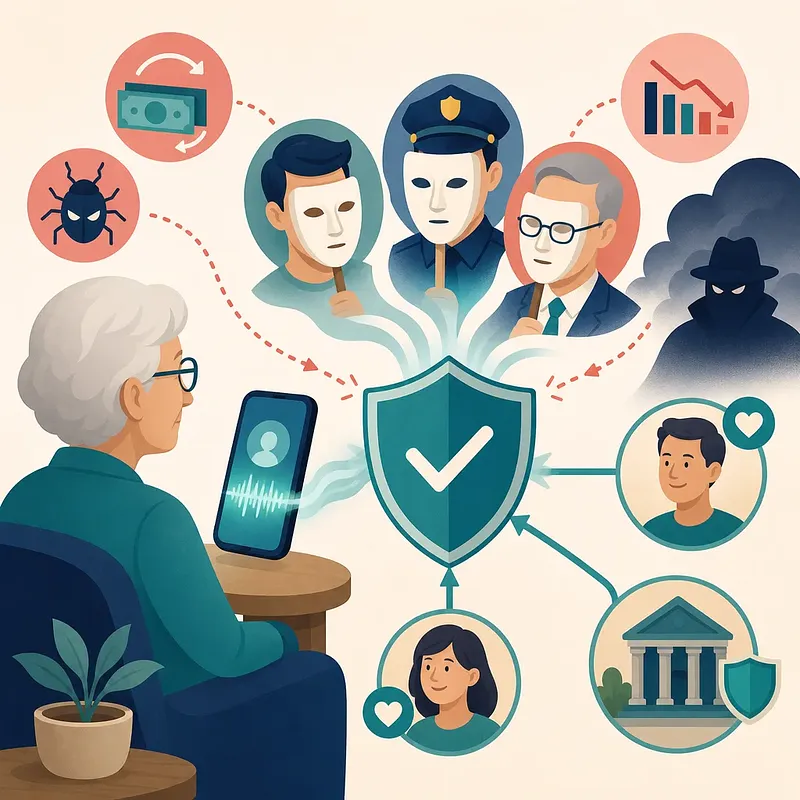
Voice phishing organizations do not receive money sent by victims directly into accounts in their own names. This is because law enforcement agencies and financial institutions can track the flow of funds and freeze payments. Therefore, they use multiple accounts as intermediate stopovers to split the stolen funds or attempt to move them through cash withdrawals, re-transfers, or the purchase of virtual assets.
The reason dummy accounts are dangerous is that even if the account holder was deceived like the victim, the account name and transaction records remain on file. In particular, if you receive money into your own account and then re-transfer it or hand it over in cash following someone else’s instructions, you may find yourself in a situation where you must prove—during investigations and financial institution reviews—whether you are a “mere victim” or a “mule or provider of a straw account.”
Legal Penalties and Adverse Effects on Financial Transactions
Under South Korean law, acts such as transferring or acquiring access media; lending, storing, delivering, or distributing access media in exchange for compensation; providing access media for the purpose of criminal use or while knowing it will be used for criminal purposes; or brokering, mediating, advertising, or soliciting such acts may constitute a violation of the Electronic Financial Transactions Act. The “Easy-to-Find Information on Everyday Laws” guide states that such violations may be punishable by up to five years in prison or a fine of up to 30 million won.
Furthermore, if a person involved in “straw account” transactions is registered as a violator of financial order, they may face disadvantages when applying for new loans, credit cards, opening bank accounts, or purchasing insurance. Guidance materials from the Financial Supervisory Service posted on “Policy Briefing” explain that information regarding violations of financial order is shared among financial institutions for a certain period and used in credit assessments, meaning adverse effects may persist for up to 12 years.
Why Simply Saying “I Didn’t Know” Isn’t Enough
In reality, scammers use language designed to make their activities sound like “legitimate part-time work,” “tax-free settlements,” “loan processing procedures,” or “company fund transfers.” However, if you transferred money received in your own account or handed it over in cash as instructed, the question may arise as to whether you had reason to suspect that the transaction was unusual.
However, it is important to distinguish between cases where your personal information was stolen and an account was opened without your knowledge, and cases where you personally handed over your bankbook, card, or password. If you suspect identity theft, report it as soon as possible to financial institutions, the police, or the Financial Supervisory Service, and preserve evidence proving that you were not involved.
Steps to Take When Receiving an Unidentified Deposit
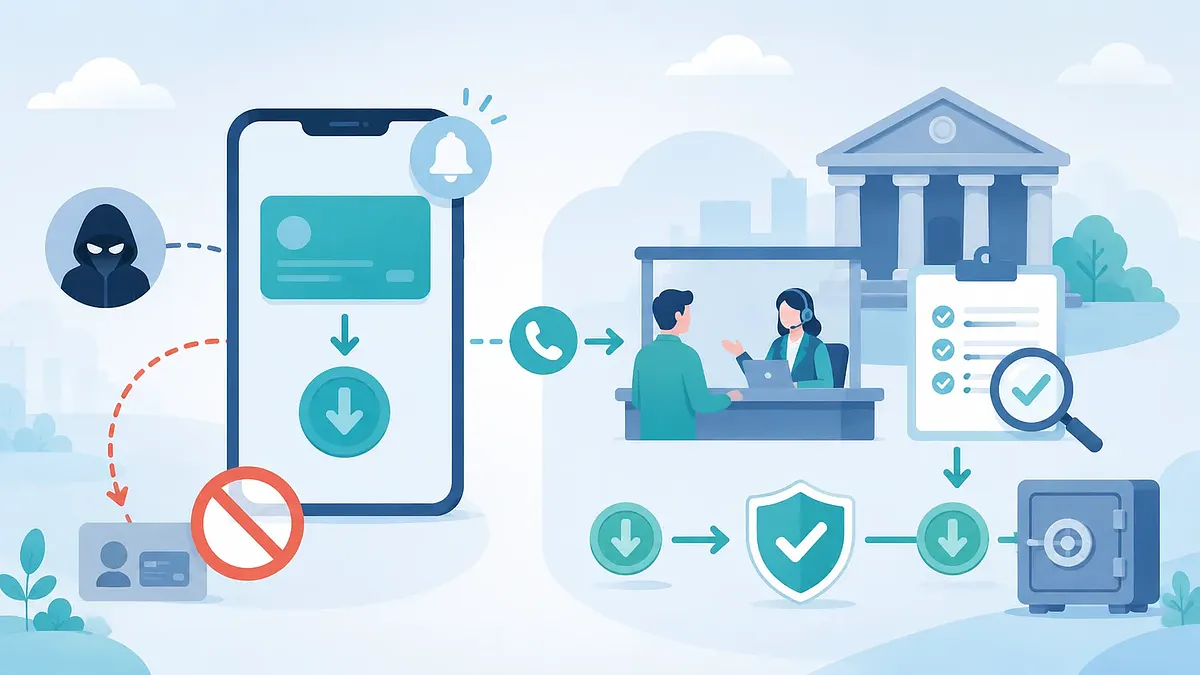
As a general rule, do not directly return the funds even if an unknown person contacts you claiming it was a “mistaken transfer” and asks you to send it back. While it may genuinely be a mistaken transfer, it could also be an attempt to use your account as a transit point for proceeds from a crime.
- Take a screenshot of the deposit details, including the sender’s name, time, and amount.
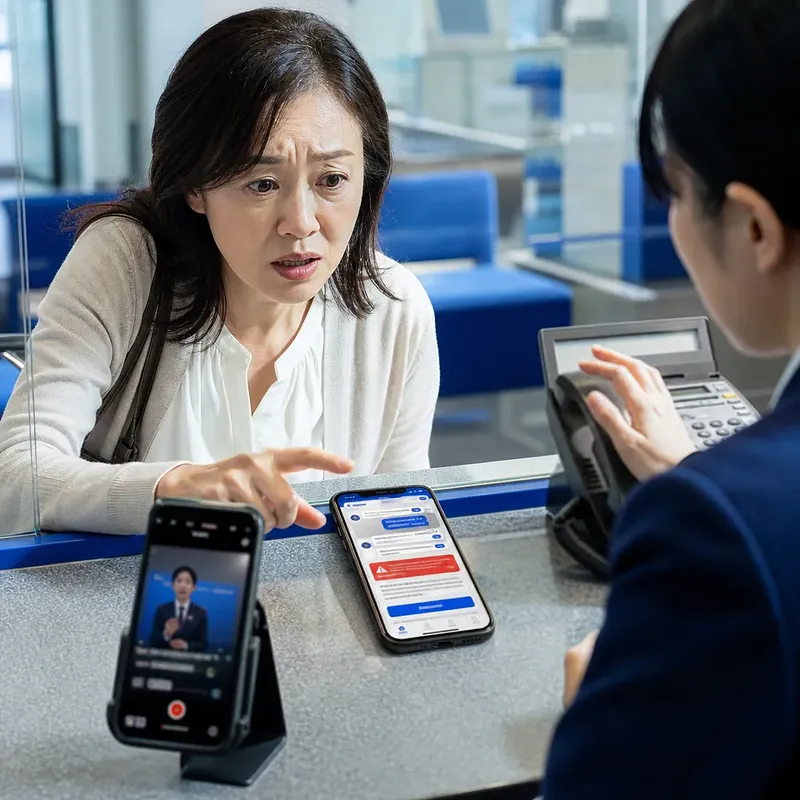
- Immediately report the incident to the customer service center or a branch of the bank where the deposit was made.
- Do not transfer funds directly to any account provided by the other party.
- Check the bank’s guidelines for returning mistaken transfers or the Deposit Insurance Corporation’s procedures for assisting with the return of mistaken transfers.
- If there are signs of voice phishing, extortion, or loan fraud, report it to the police (112), the Financial Supervisory Service (1332), or the financial institution’s customer service center.