Digital Safety and Regulation, a safety guide covering online protection and AI regulation
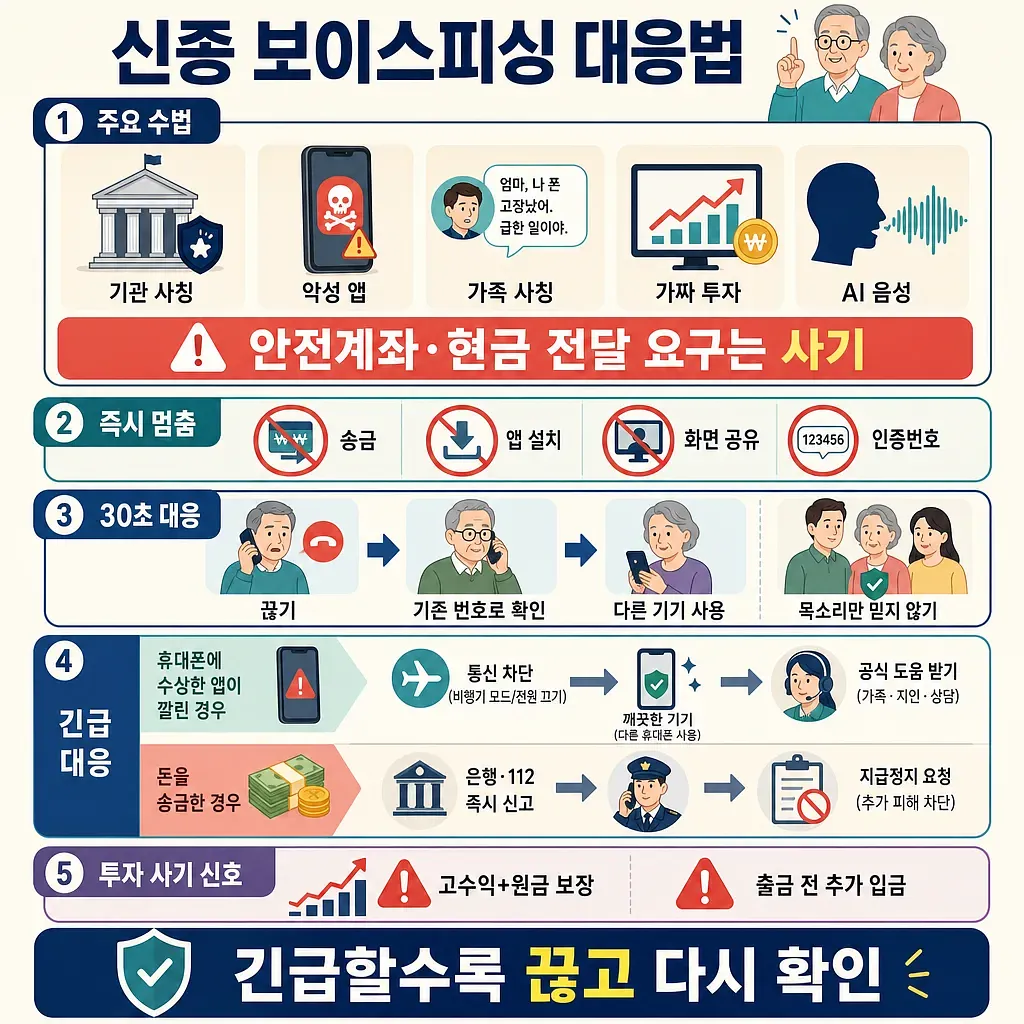
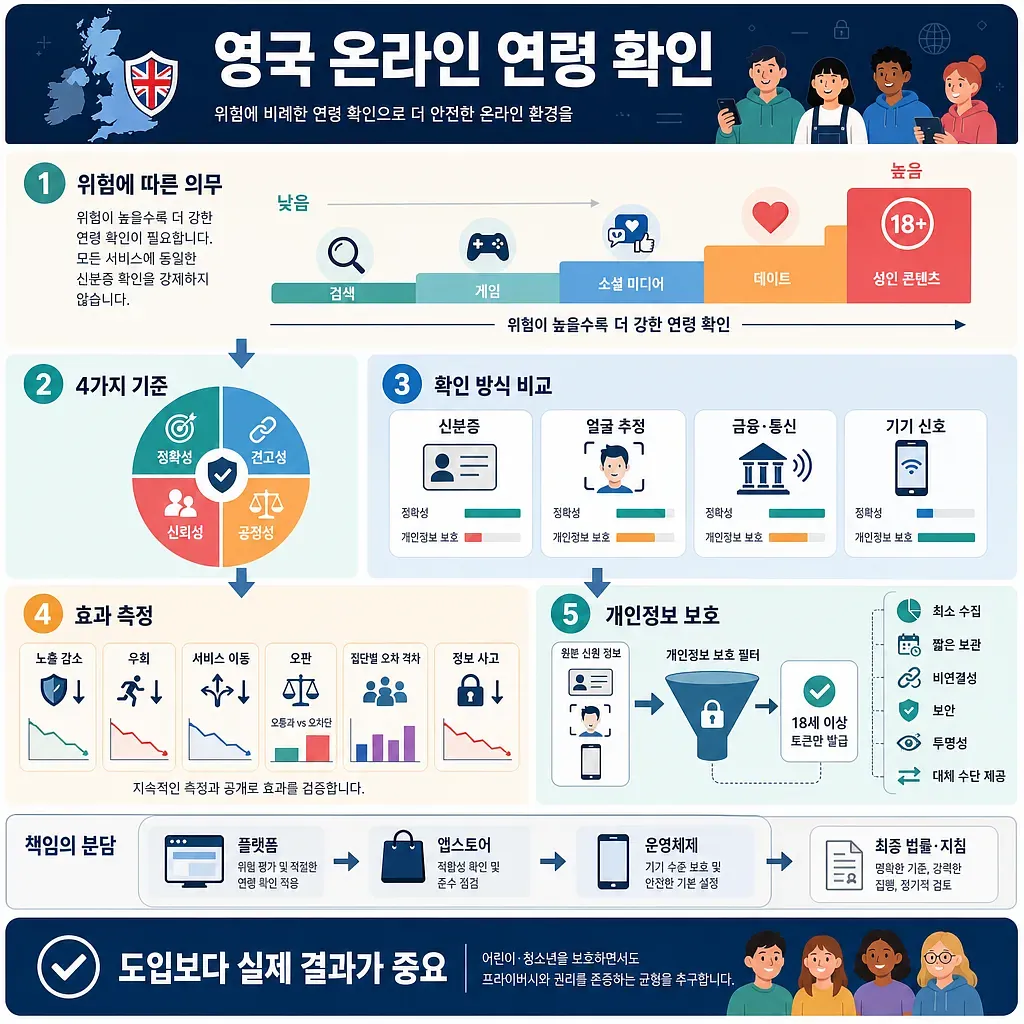
Online, what was dangerous tends to become clear only after something has already gone wrong. Here we set out the risks people and societies face on the internet, and how rules and technology are responding to them.
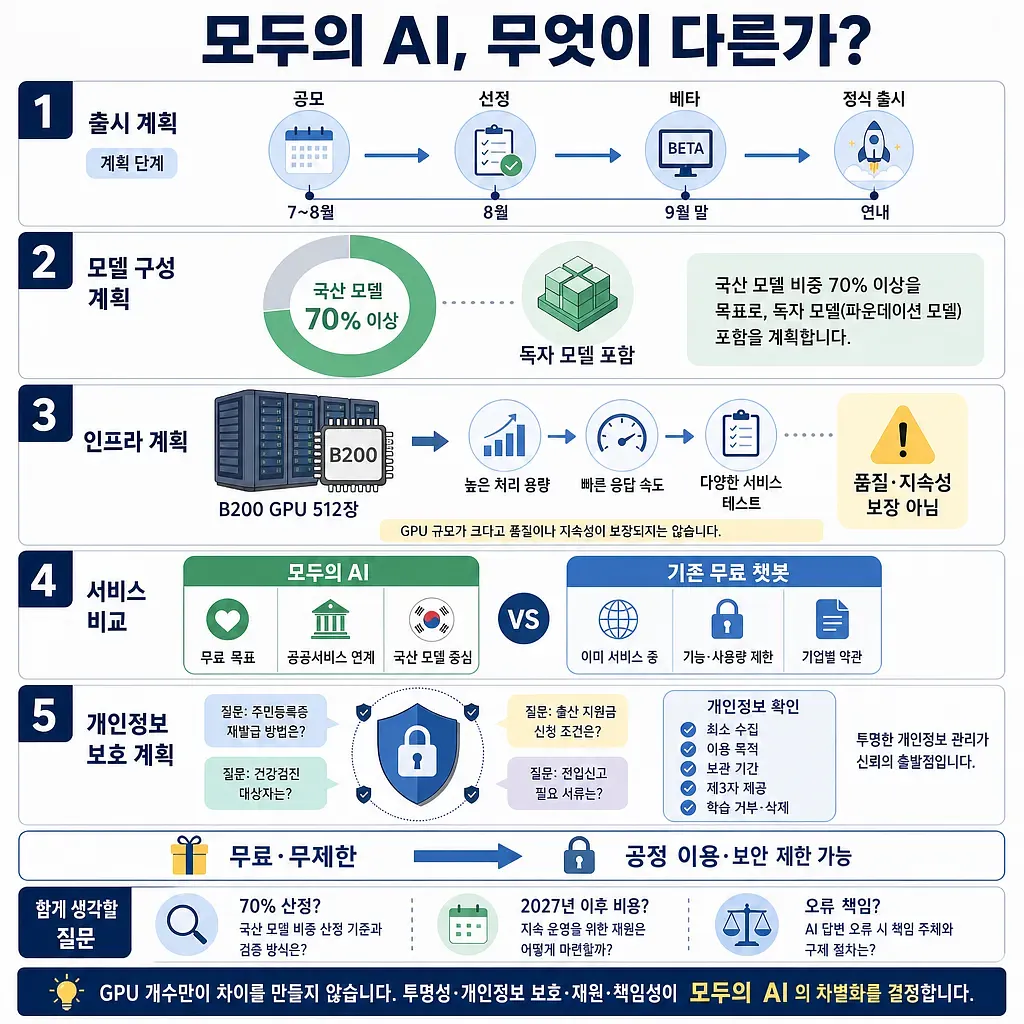
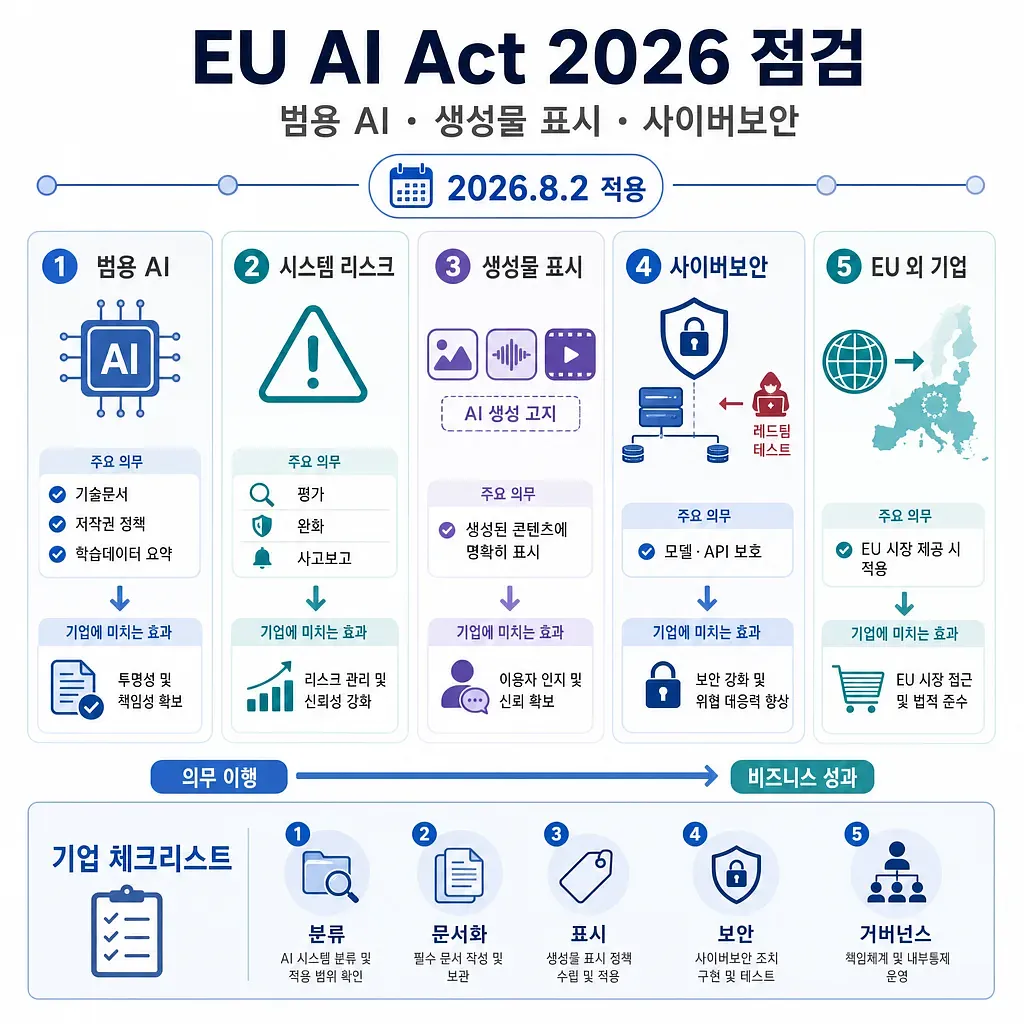
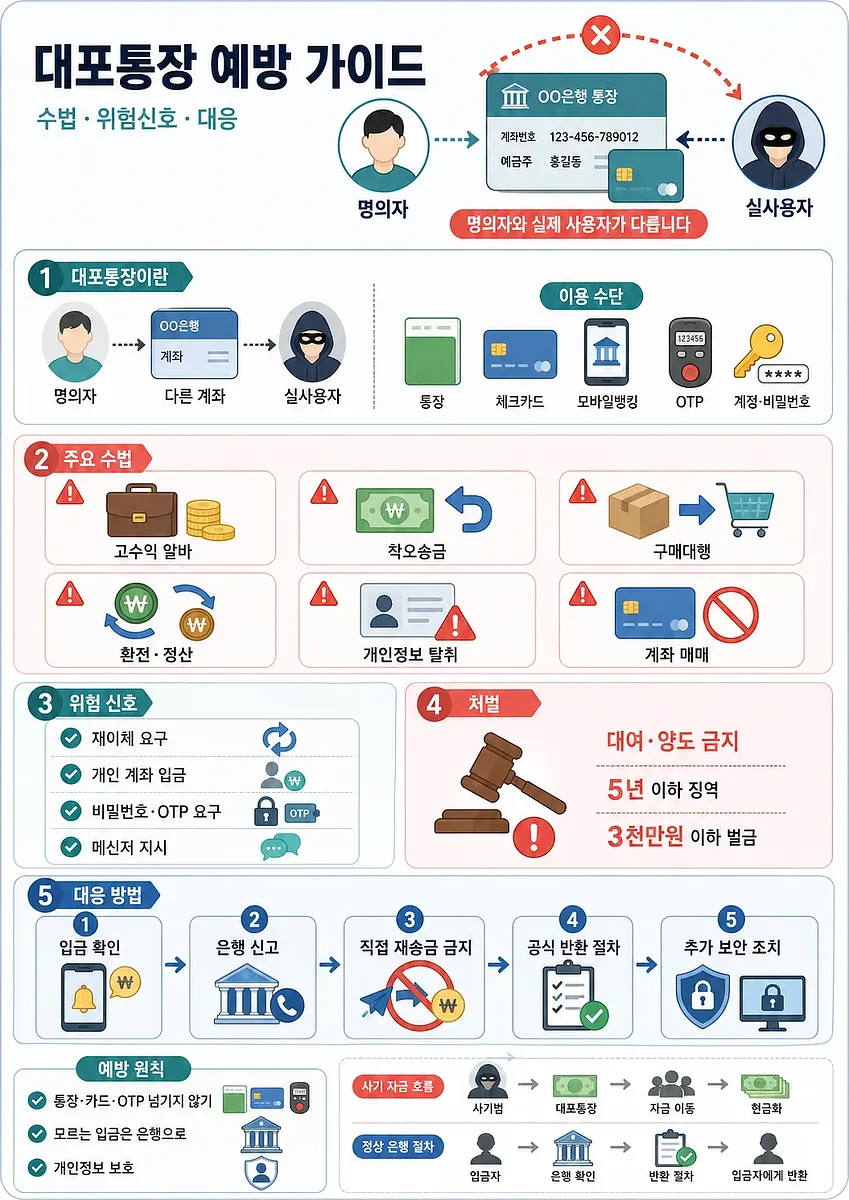
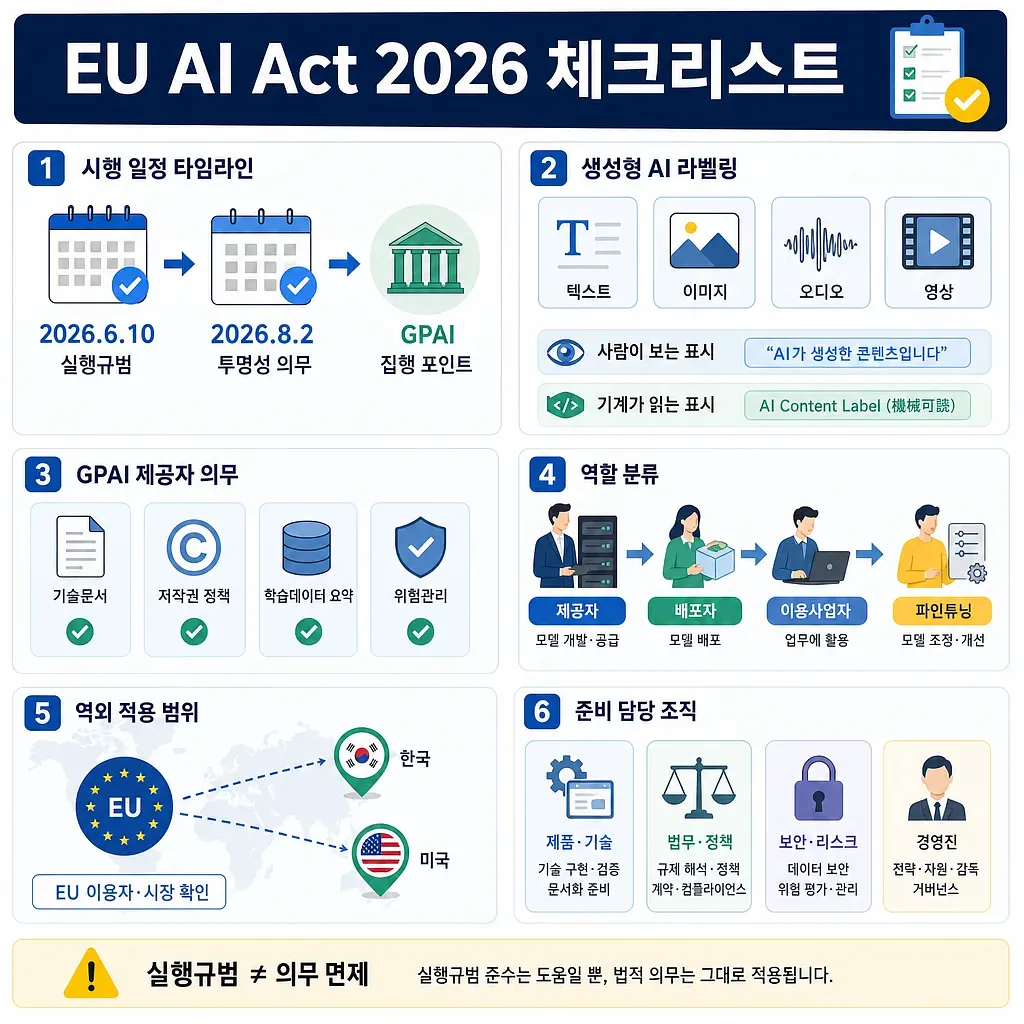
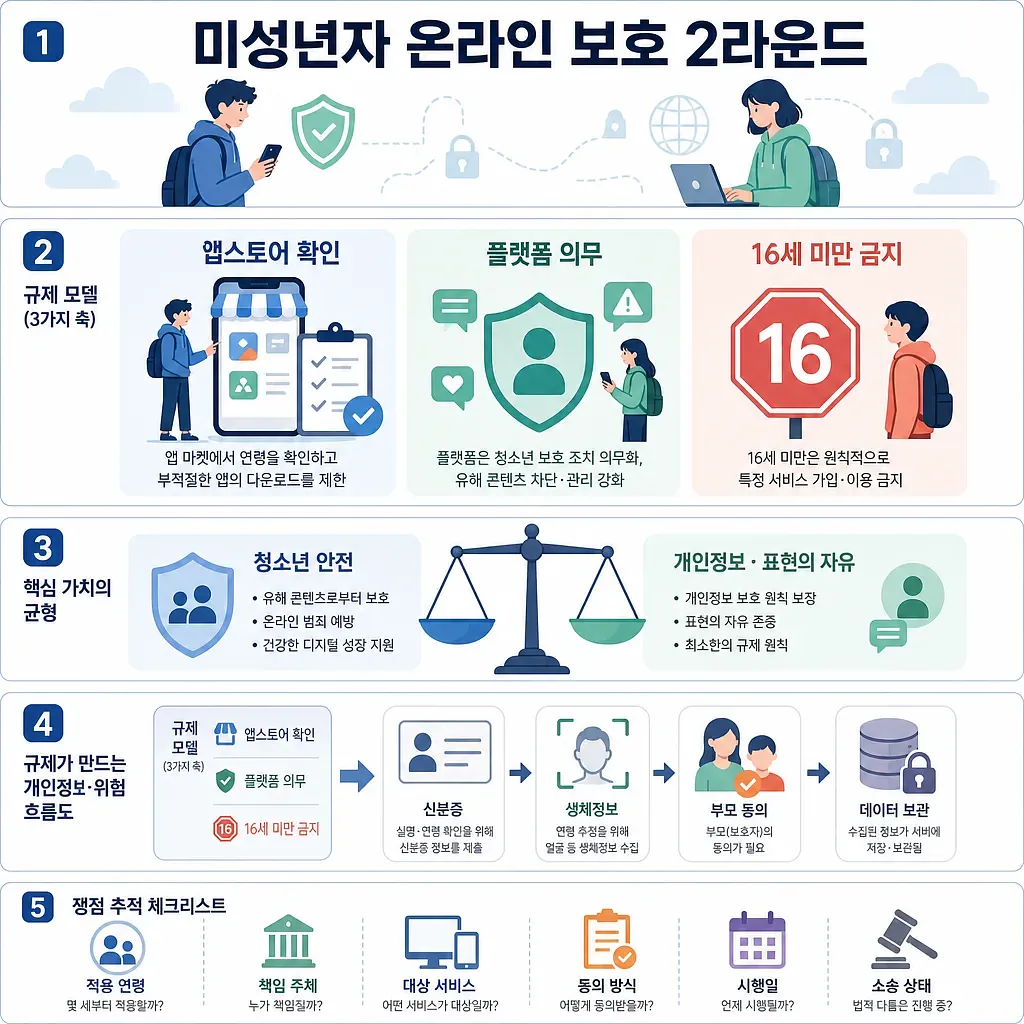
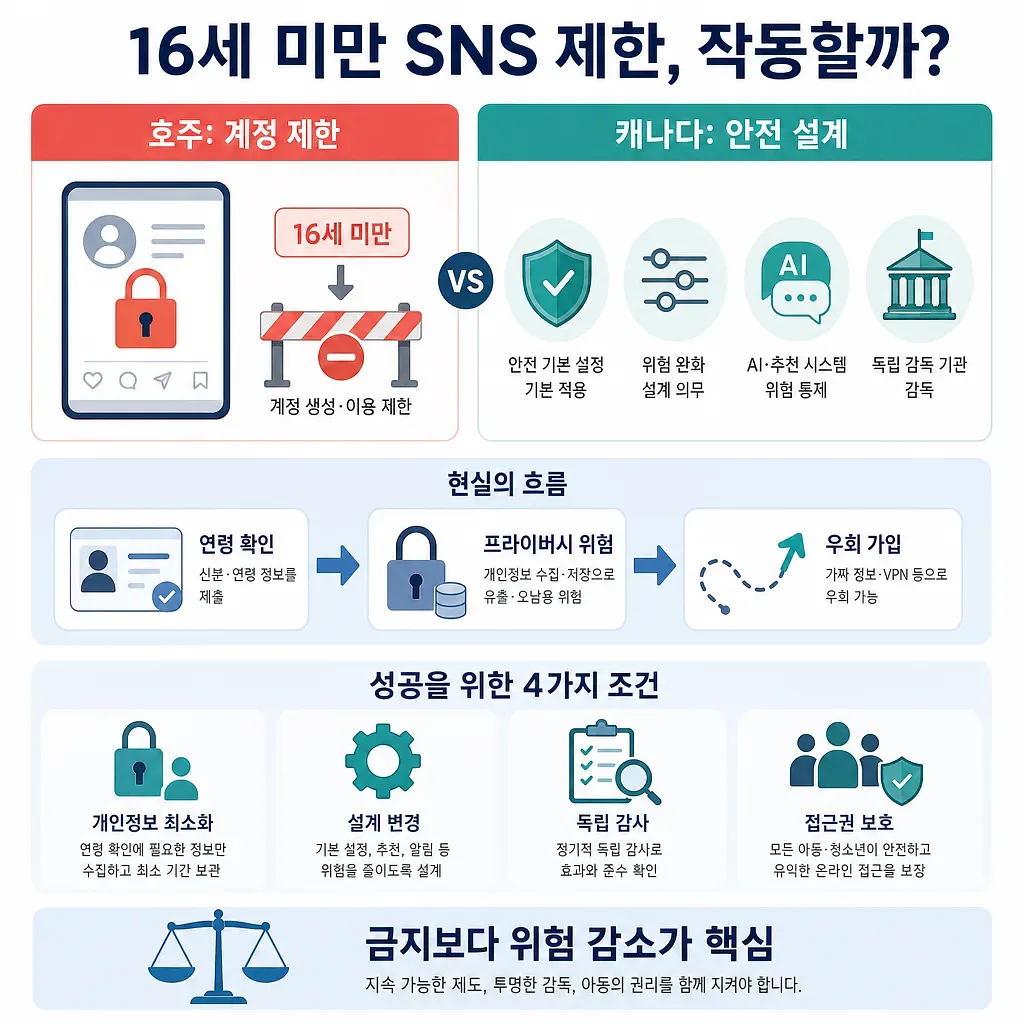
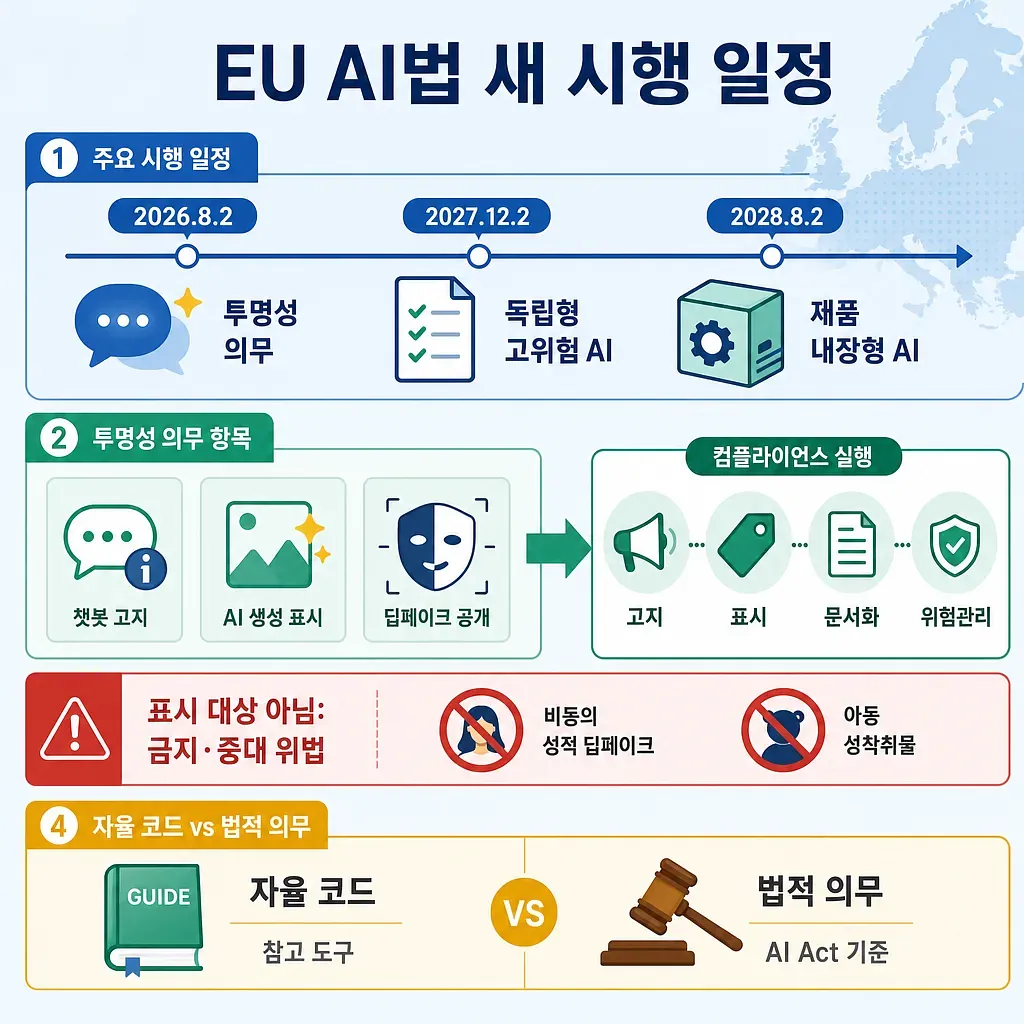
We cover protecting children and teenagers online, age limits on social media, data breaches and platform responsibility, deepfakes and harmful content, account takeover and phishing, and the ethics and regulation of AI including the EU AI Act.
Regulation is slow and technology is fast. So we separate what the law now blocks from what is still left to each of us, down to the settings you can change today.
47 posts

Subscribe to the newsletter
Get new articles and binder updates by email every day. Issues may also include articles about affiliate products (advertising).
Request content
Can't find what you're looking for? Request a topic and we'll create it after review.
Request contentContent API
Serve our reviewed content in 5 formats such as JSON and Markdown, in multiple languages. Start free with an API key.
Explore the APINo infographics are available in the current language, so infographics in all languages are shown.