Social & Videos
Short social takes on our content and our shorts, long-form and product videos, all in one stream with the newest first. Swipe through one at a time and follow through to the full article when you want more.

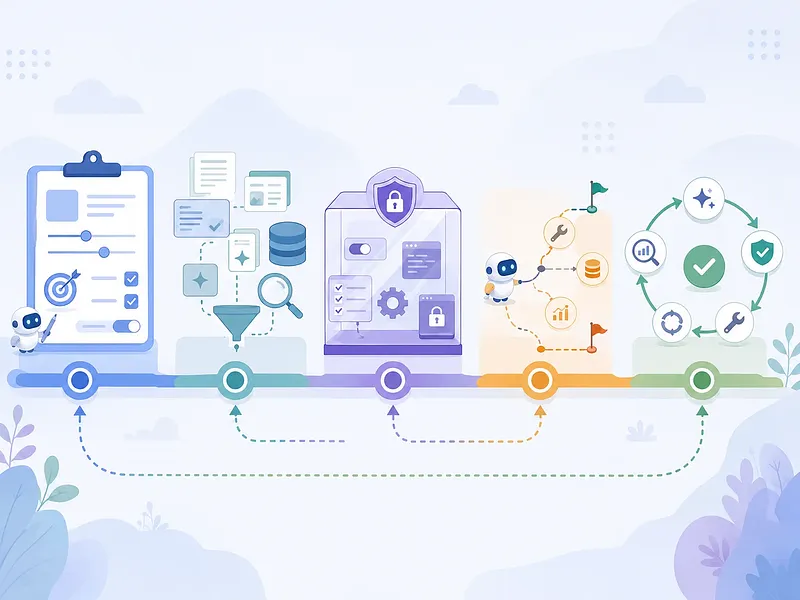
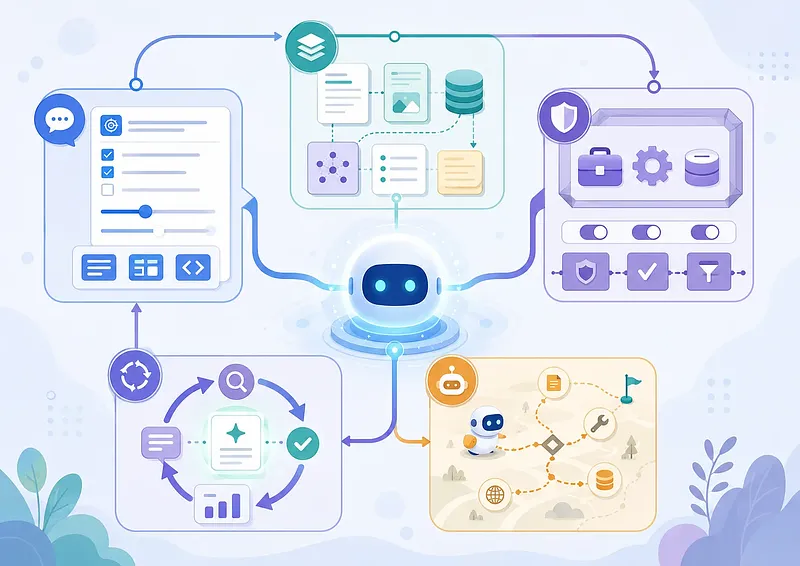
Differences and Design Methods for Prompts, Context, Harnesses, Agentics, and Loop Engineering
Reliable AI systems require more than well-written prompts. This article explains the practical boundaries between Prompt Engineering, Context Engineering, Harness Engineering, Agentic Engineering, and Loop Engineering. It matters because each approach solves a different problem: defining instructions, managing information quality, creating safe tool environments, delegating limited autonomy, and improving results through verification and correction cycles. The article also covers integration structures, application sequences, validation metrics, and failure prevention methods—useful for teams building or evaluating AI workflows. Read more : https://injoys.com/en/articles/prompt-context-harness-agentic-loop-engineering #AI #PromptEngineering #AIEvaluation
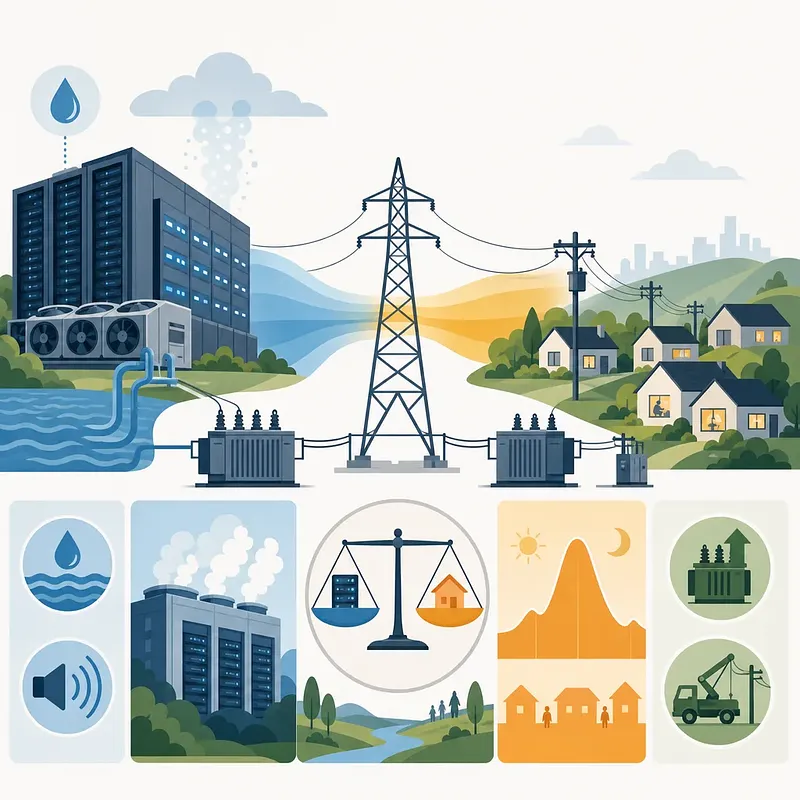
Oregon’s debate over electricity rates for AI data centers highlights a growing policy issue: how should grid expansion costs be allocated when very large power consumers enter a region? The article organizes the discussion into practical data points, including the 20 MW threshold for large users, a proposed 30% rate increase, possible 1.3% or 1.9% residential rate reductions, and arguments over cost causation versus industrial discrimination. It also identifies broader factors other regions may need to evaluate: connection capacity, peak demand, transmission and distribution upgrades, long-term power procurement, noise, water usage, and protections against shifting costs to local residents. A useful reference for energy, infrastructure, and regulation watchers. Read more : https://injoys.com/en/articles/oregon-ai-data-center-electricity-rate-debate #PowerGrid #ElectricityRates #AIDataCenter


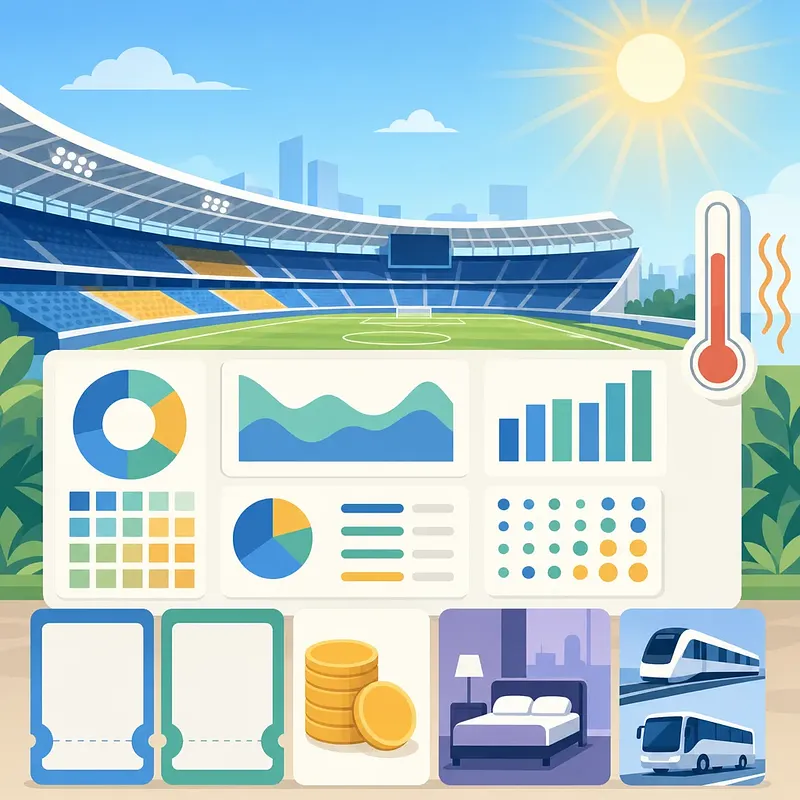
The economics of attending the 2026 FIFA World Cup extend well beyond official ticket prices. A more useful approach is to treat attendance as a total cost of ownership: ticket face value, resale pricing, platform fees, transportation, lodging, exchange rates, and climate-related disruptions. The article also frames extreme heat as more than a player-performance issue. Hydration breaks, weather monitoring, possible match delays, spectator queues, staff safety, and public transit capacity all become measurable risk categories. For host cities, the tournament functions as a stress test for mobility, accessibility, and climate adaptation planning. Read more : https://injoys.com/en/articles/2026-world-cup-costs-heat-risk-data #SportsData #WorldCup2026
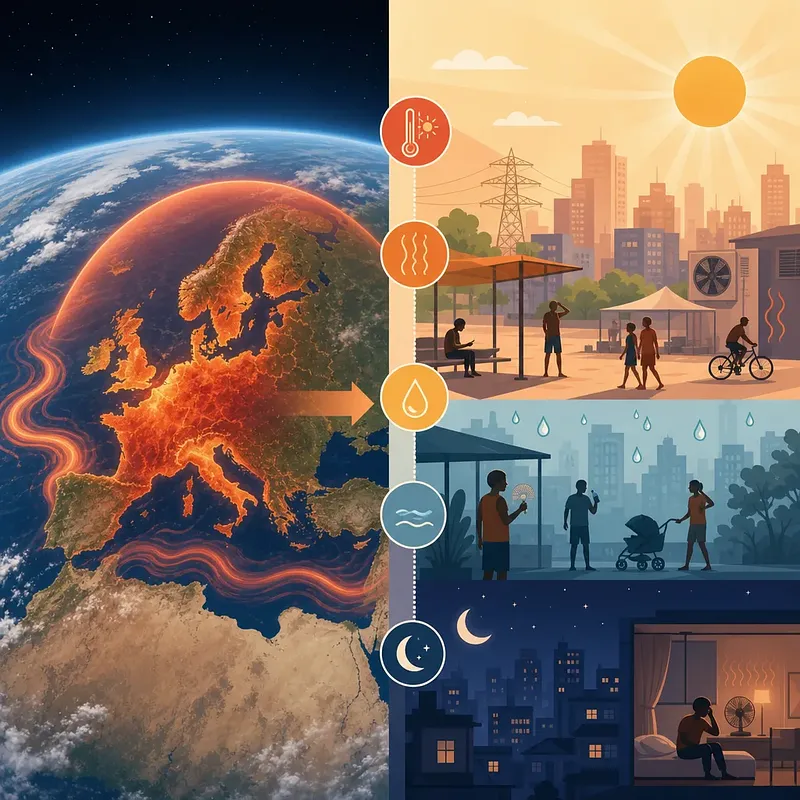
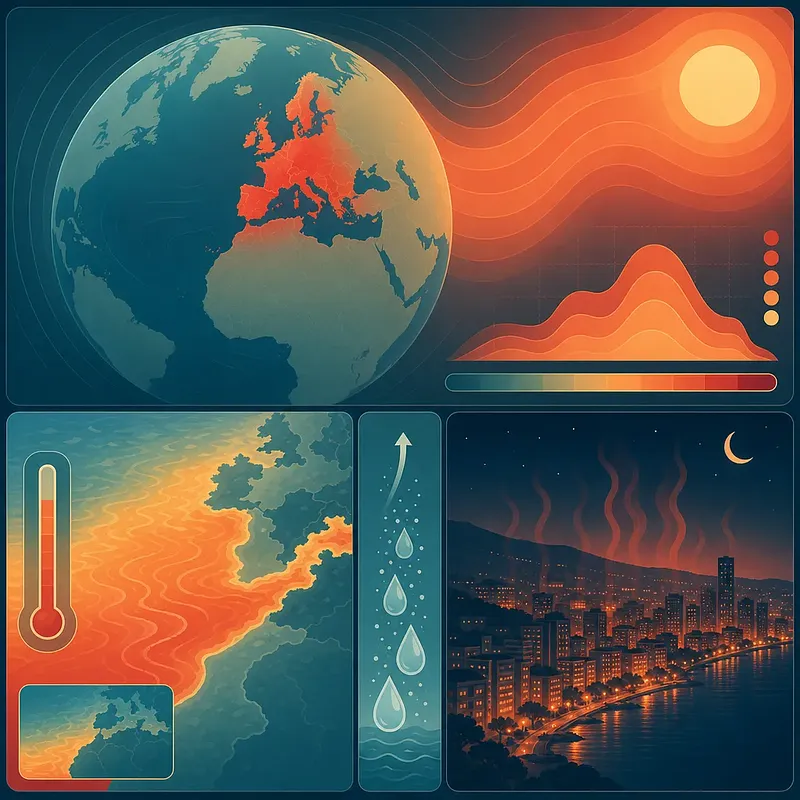
June 2026 offers a useful case study in how to read climate data responsibly. Copernicus reported it as the hottest June on record for Western Europe and the second-hottest June globally—two statements that can coexist because they rely on different spatial averages. The article explains why heat-wave risk assessment must go beyond daily highs. Humidity, nighttime lows, sea surface temperatures, urban heat islands, and exposure among vulnerable populations all shape real-world impacts on public health, electricity systems, and workplaces. Read more : https://injoys.com/en/articles/2026-june-heat-data-western-europe-sst-us-alerts #ClimateData #HeatWave #NOAA
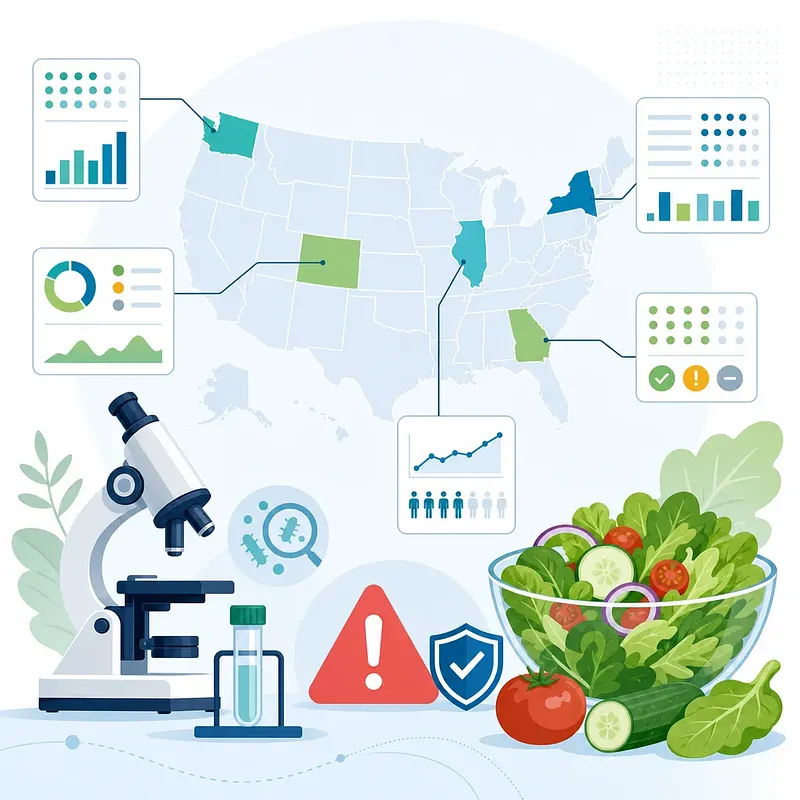
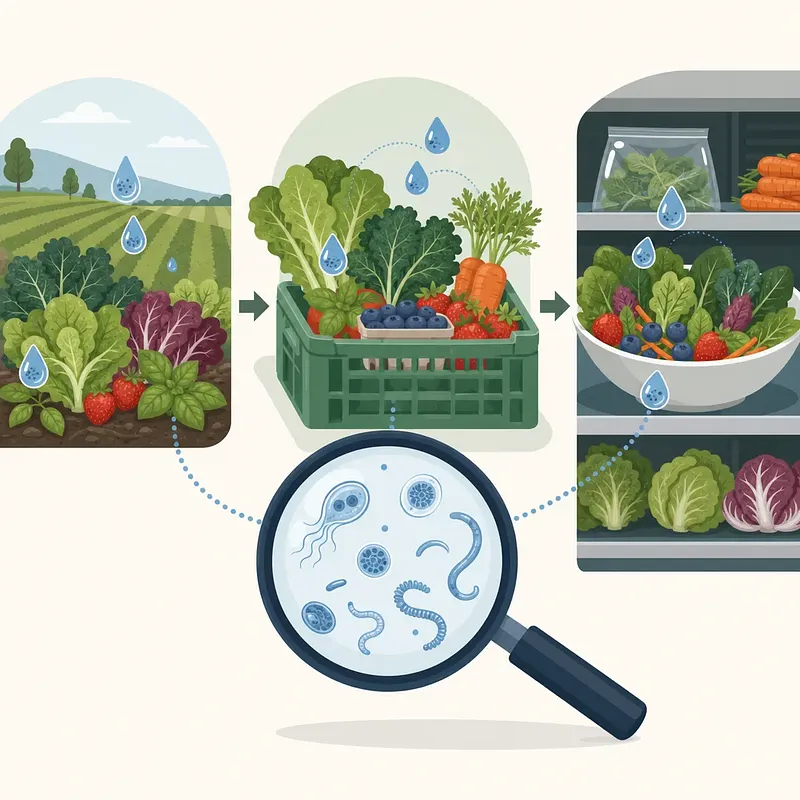
Recent U.S. cyclosporiasis announcements show why foodborne illness communication requires careful interpretation of multiple data sources. This article explains the basics of Cyclospora cayetanensis, the role of fresh produce risk factors, and the differences between state-level outbreak updates, FDA investigation reports, and CDC surveillance data. It also emphasizes the importance of pre-confirmation messaging: when a specific food item or producer has not been identified, prevention guidance should focus on hygiene, recall checks, and symptom awareness rather than premature conclusions. A useful read for anyone following public health data, food safety, or consumer risk communication. Read more : https://injoys.com/en/articles/us-cyclosporiasis-outbreak-produce-surveillance-state-data-2026 #FoodSafety #PublicHealth #SurveillanceData
The YouTube Ad-Blocking War of 2026: A Guide to DuckDuckGo, uBlock, and Premium Options
The 2026 discussion around YouTube ad blocking is no longer just about browser extensions. Users are comparing DuckDuckGo, Firefox with uBlock Origin, Brave, TV/Roku alternatives, YouTube Premium, and SponsorBlock—each with different levels of stability, convenience, privacy, and risk. This article explains how options vary by device, what Manifest V3 actually changes for Chrome-based extensions, and why Premium removes YouTube-served ads but not creator-read sponsorship segments. It also looks at the broader impact: stronger platform detection, measurement losses for advertisers, and growing pressure on creators to diversify revenue through memberships, donations, and sponsorships. Useful for anyone evaluating the tradeoffs between free access, privacy, convenience, and supporting creators. Read more : https://injoys.com/en/articles/youtube-adblock-options-2026-duckduckgo-ublock-premium #YouTube #AdBlocking #DigitalMedia