 Injoys
Social
A short written take on each piece of content: what changed and why it matters. Skim the point first, then follow through to the full article only for what interests you. Every take is drawn from real content, so the link takes you straight to the material it is based on.

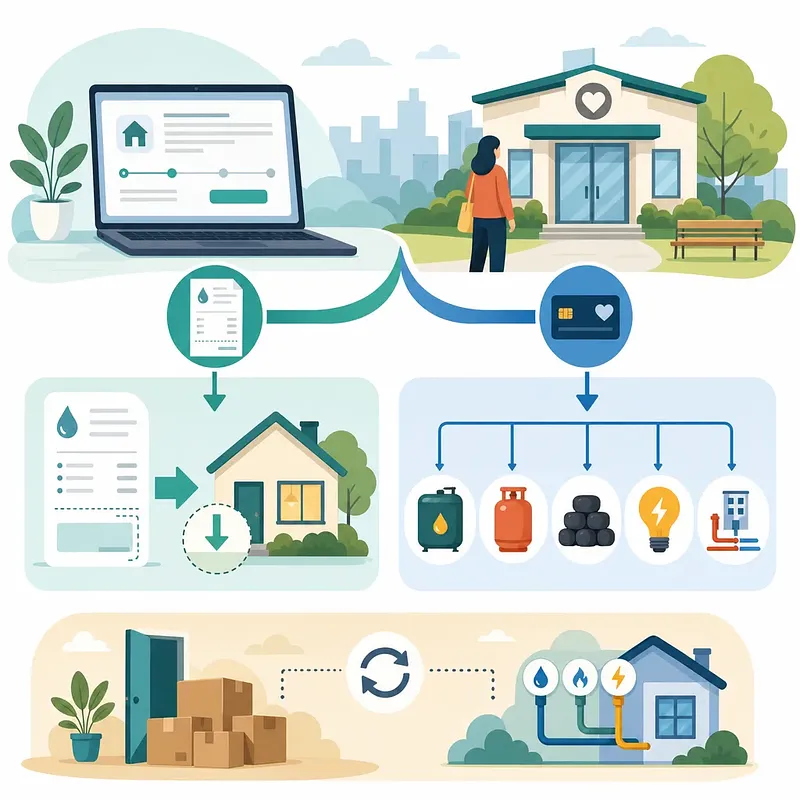
The 2026 Energy Voucher application period runs from June 15 through December 31, but eligibility requires more than receiving a qualifying benefit. Households must also meet the registered household member criteria. This practical guide explains support amounts by household size, the documents applicants should prepare, and how to apply online through Bokjiro or at the administrative welfare center for their registered address. It also outlines the difference between deductions from electricity, city gas, or district heating bills and using the National Happiness Card. Understanding these steps can help households select the appropriate support method and avoid missing updates after a move, provider change, or household membership change. #EnergyVoucher #Bokjiro


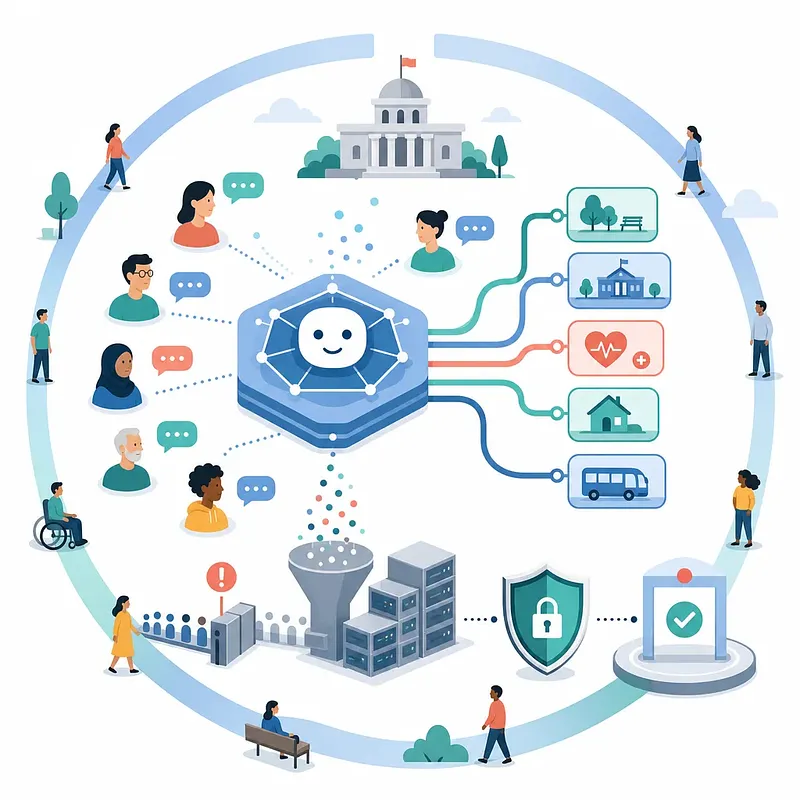
The government’s “AI for Everyone” project could expand access to generative AI and simplify the use of public services. Its impact, however, will depend on verifiable operating standards—not just the promise of free, unlimited access. The call for operators closed on August 11, 2026, but selection, contracting, and launch remain separate stages. The article reviews key questions around measuring the required 50% proprietary and 30% other domestic model usage, conducting external audits, protecting personal data, and assigning responsibility for erroneous applications. It also explains why success should be measured through usage gaps, task completion, error rates, incidents, costs, and reliability rather than subscriber totals alone. #AI #DigitalGovernment
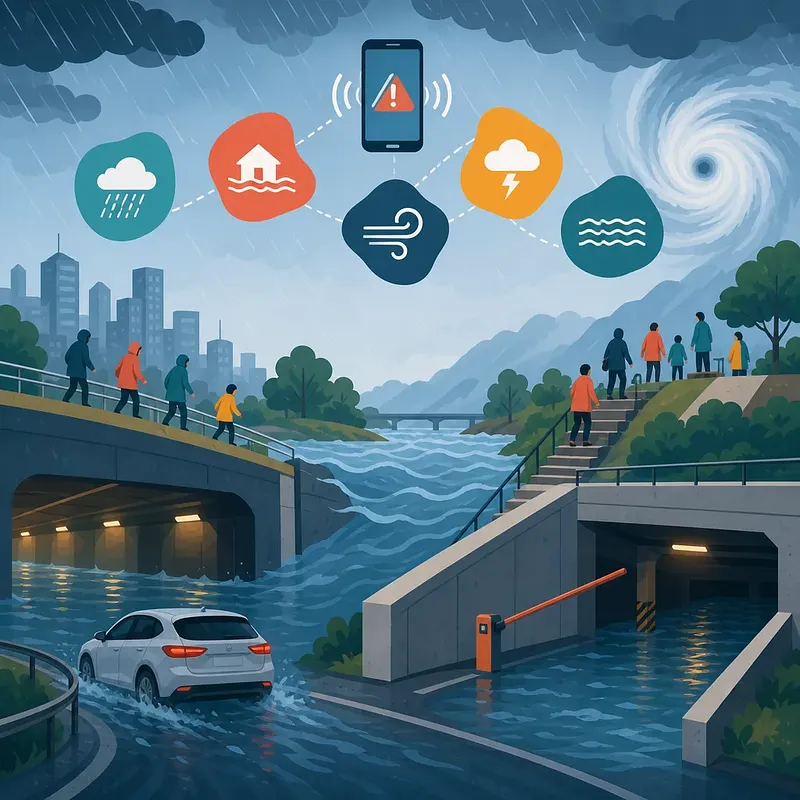
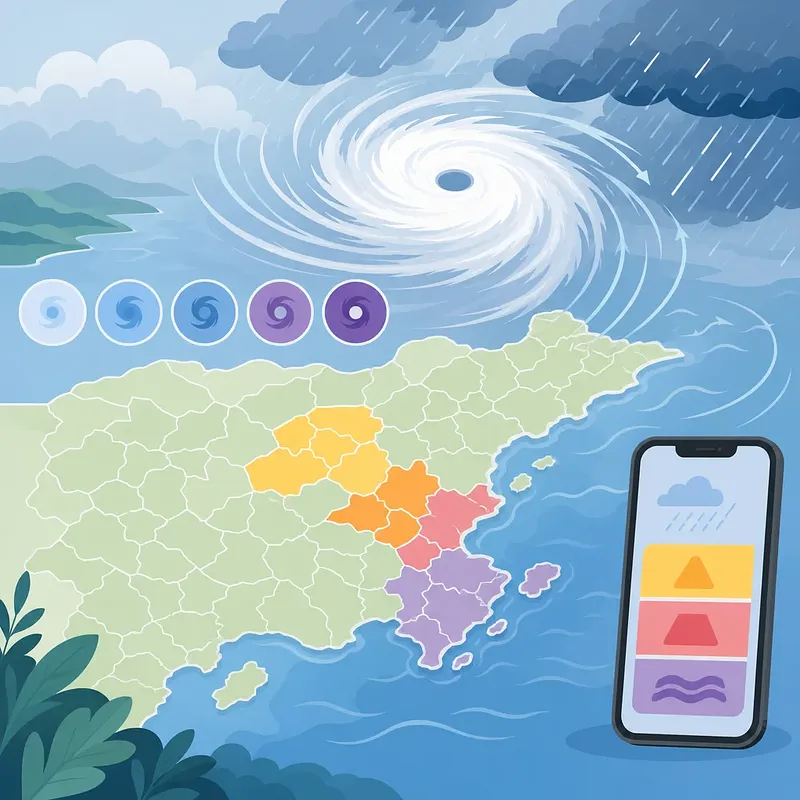
Beginning June 1, 2026, typhoon intensity will be displayed through numbered icons representing five maximum wind-speed ranges. The higher the number, the stronger the winds near the storm’s center. Understanding the broader warning system is equally important. Heavy-rain information may take the form of likelihood information, preliminary advisories, advisories, warnings, or emergency disaster alerts, and these notices are not guaranteed to appear in sequence. Land alert zones have also been subdivided from 183 to 235, meaning alerts can vary within the same city or county. The article explains how to interpret each level, why forecast lifting times can change, and what to do first when danger is present. #DisasterPreparedness #Typhoon
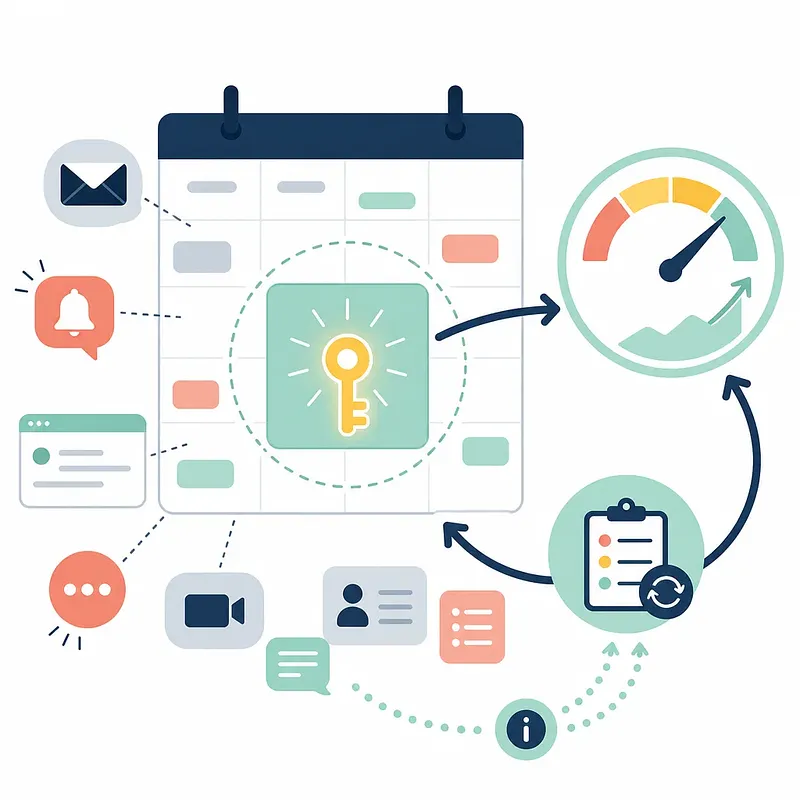
To-do lists are useful for capturing tasks, but they do not distinguish between activity and impact. A success list goes further by identifying the few tasks that contribute most directly to a desired result. This matters because time assigned by default often flows to easy or urgent-looking work rather than high-impact work. The article presents a practical approach: assess goal impact, urgency, and opportunity cost; use the 80/20 principle to search for the vital few; and schedule uninterrupted execution time for core tasks first. Priorities should also remain open to revision. Performance metrics and new information may change which tasks deserve attention. #Productivity #DecisionMaking

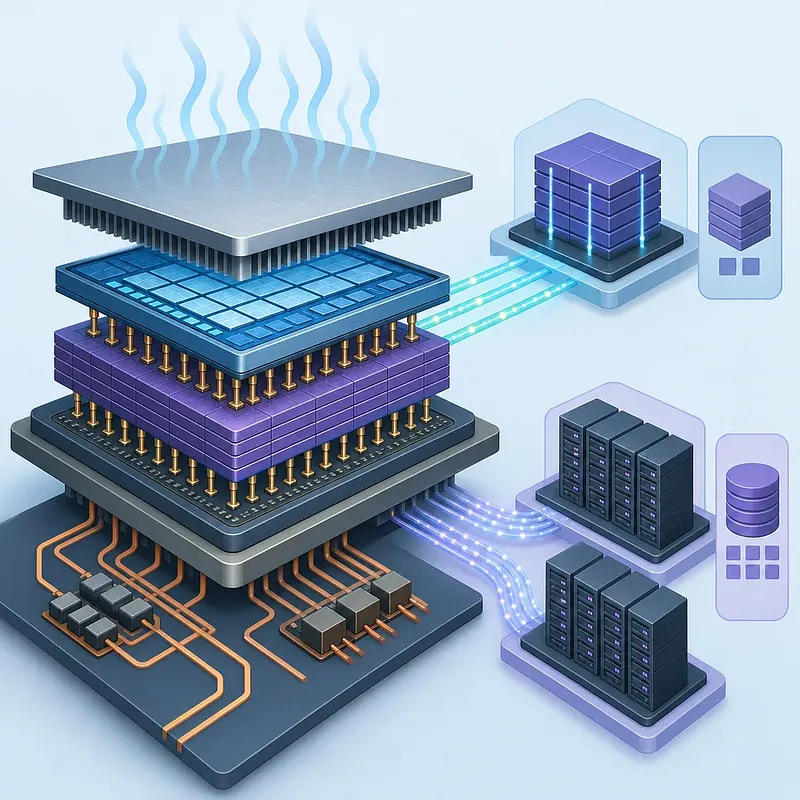
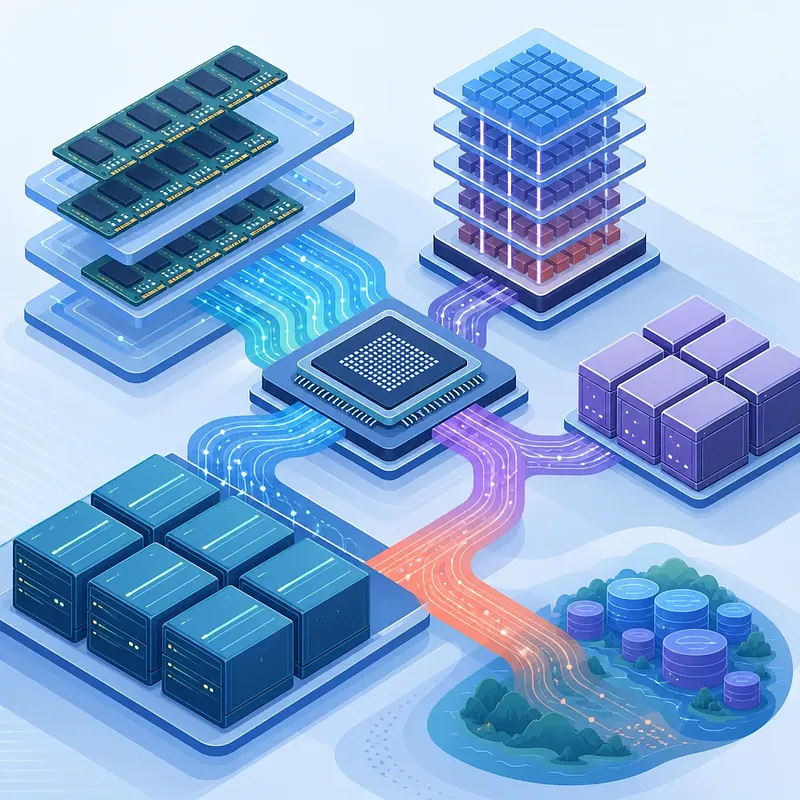
KV caches now shape AI chip design. Longer contexts and more concurrent requests increase KV cache capacity requirements. That makes total capacity and the broader memory hierarchy as consequential as HBM bandwidth when teams assess system architecture. The article explains memory-centric computing as co-design, not GPU removal. It maps how HBM, NAND-based HBF, custom base dies, 3D packaging, and optical interconnects can reduce data-movement costs while changing architecture choices. It also distinguishes promise from constraint. HBF offers NAND density but must contend with latency, write endurance, and error management. Vertical stacking shortens interconnects while adding thermal density, yield, power-delivery, and cooling challenges. Custom HBM broadens memory companies’ design role without removing price volatility or supply cycles. Semiconductor, AI infrastructure, and data-center professionals evaluating accelerator roadmaps should read the full analysis to compare these trade-offs. #Semiconductors #AIChips
2026 Jeonse Deposit Return Guarantee Premium Support Application Guide
The 2026 jeonse deposit return guarantee premium support program can reimburse eligible tenants without a home for premiums already paid, up to KRW 400,000. Why it matters: eligibility depends on more than holding a guarantee. Applicants must have a valid HUG, HF, or SGI guarantee as of the application date, a rental deposit of no more than KRW 300 million, and income within the threshold for their applicant type. The application also requires supporting records such as the guarantee certificate, premium payment proof, lease agreement, and relevant income and marriage documents. Because application periods, remaining budgets, and online or in-person channels are set locally, applicants should review the 2026 notice issued by the government where they reside and monitor any requests for supplementary documents. #Jeonse #HousingCosts