 Injoys
Social
A short written take on each piece of content: what changed and why it matters. Skim the point first, then follow through to the full article only for what interests you. Every take is drawn from real content, so the link takes you straight to the material it is based on.

3 p.m. KST is MAMA fans' day-two start. The November 21, 2026 ceremony starts earlier than the November 20 ceremony at 6 p.m. KST. Performer lineups and award-presenter announcements serve different purposes. Kim Hye-soo, Kim Yeon-koung, Lee Jun-ho and Jang Hang-jun appear in the separate presenter announcement, which should not be treated as a performance schedule. ENHYPEN and TREASURE are included in the November 20 lineup; BIGBANG and IVE are included on November 21. Matching the preferred lineup to its date and start time helps fans set aside the right viewing window. Both days take place at Kyocera Dome Osaka in Japan. CJ ENM announced a worldwide live broadcast through Mnet Plus, while viewers in Japan have separate viewing instructions. Fans planning to watch live can use the article's date-by-date guide to choose a day and find the relevant viewing guidance.


Kimchi Yeast Film vs Mold: Storage and Disposal Rules
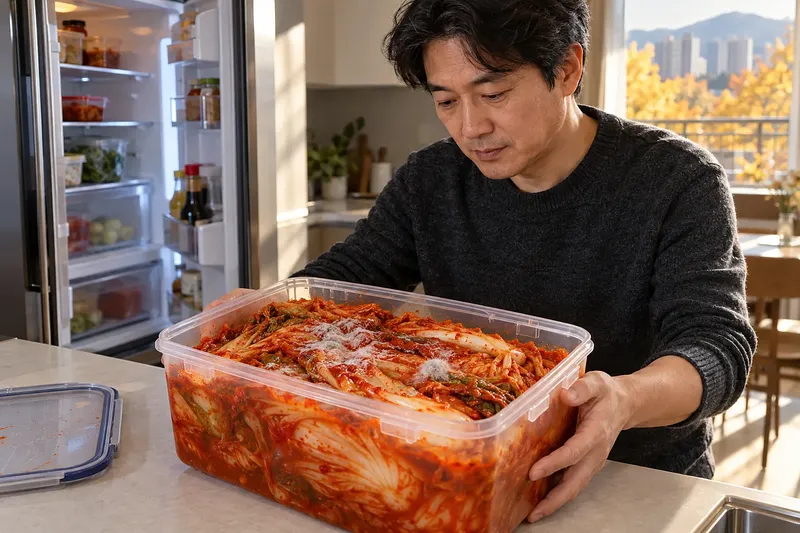
Home cooks find strands on kimchi. Guidance for removing, washing and heating yeast film does not apply when mold is suspected. Mold grows in threadlike strands, while yeast produces the white film. Color alone cannot distinguish them. Safety studies on film-producing yeast do not establish that an entire batch stored at home is safe. The article separates film-handling advice from disposal criteria and explains why a film's appearance is not a use-by date. This helps households avoid treating removal or heating as proof that a batch is safe to eat. For storage, the World Institute of Kimchi recommends reducing air exposure and keeping kimchi at 4°C or below. If you store kimchi at home, consider the article's handling and disposal rules before deciding what to do with a questionable batch.
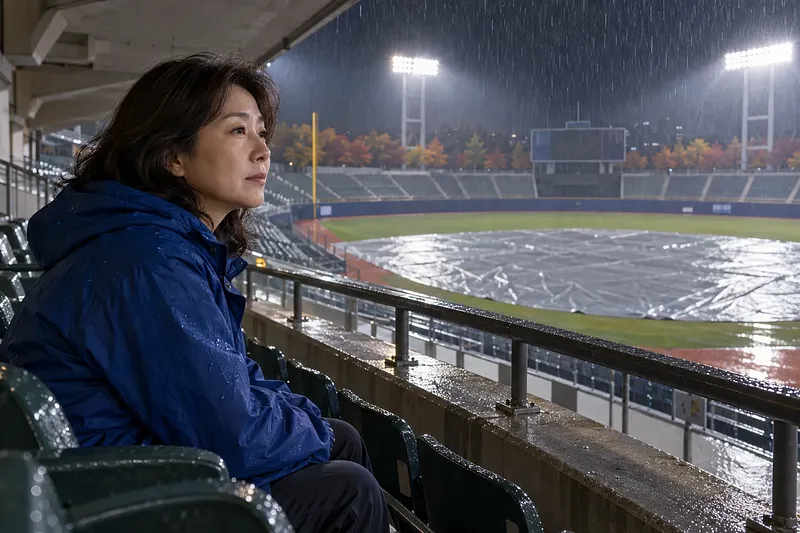
KBO fans cannot infer later game dates. The October 26, 2026 reset does not establish the rest of the Samsung vs. KIA playoff schedule. Game 1, originally scheduled for October 25, 2026 in South Korea, was called off because of rain. It was rescheduled for October 26, 2026 at 6:30 p.m. KST. The playoffs are best-of-five, with the winner advancing to the Korean Series. The article separates two checks: KBO notices for subsequent game dates, and the game's NOL Ticket notice for existing-ticket use or cancellation. That distinction helps keep attendance plans tied to confirmed terms, not assumptions. Samsung and KIA fans arranging attendance can read the article for the revised Game 1 details and where to confirm schedule and ticket conditions.
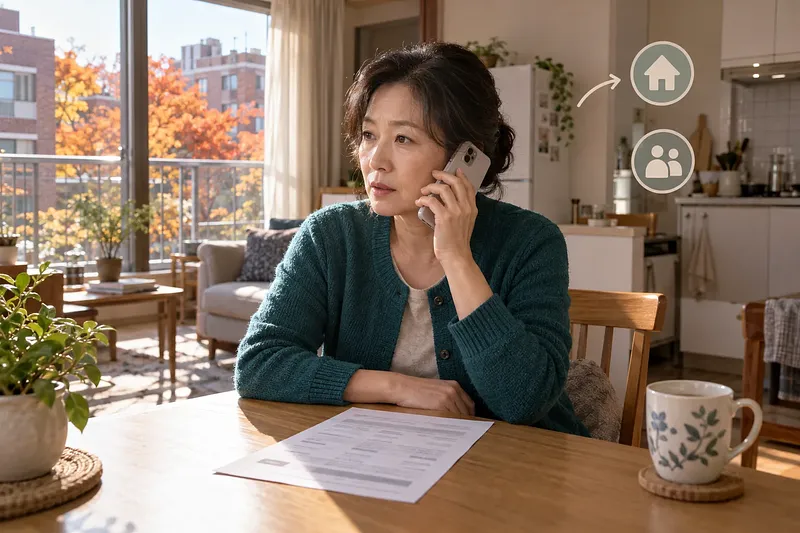
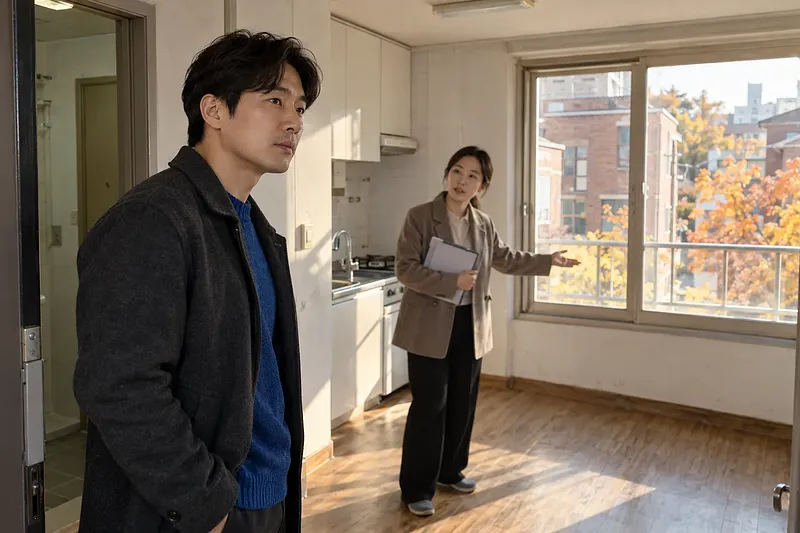
369,000 won/month is a rent benchmark. For Seoul's one-person households in 2026, it is not a fixed payment to every applicant. Supply figures also need a precise reading. The 86.1% fall in Seoul's low-rise housing completions, reported in March 2026, compares 2025 with 2018. The count includes multi-family homes as well as row houses and multi-unit homes. The article sets out what to verify in the supply figures, including revisions. It also explains why higher-priority claims matter for HUG guarantee limits when officially assessed property values are used. For a practical budget, the comparison of jeonse (deposit-based leases) and monthly rent includes loan interest and maintenance fees. Seoul renters weighing lease options or checking 2026 housing benefit requirements can use the article to identify what needs confirming before setting their monthly housing budget.
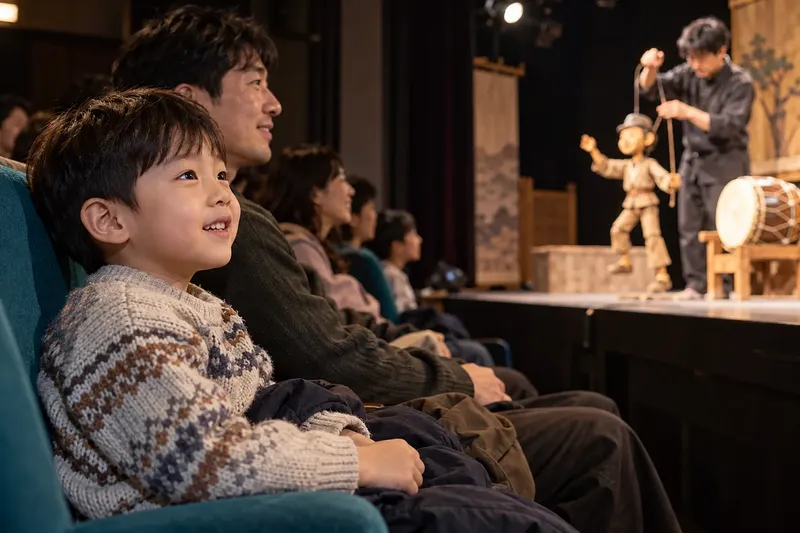
Families weigh Jongno booking terms. Confirm the actual cancellation deadline for the selected performance. Kkomajangseung Gachulgi runs at Jongno Children's Theater in South Korea from October 30 to November 1, 2026. Audience members must be at least 36 months old. Checking age eligibility and deciding how many people will attend gives families a clear starting point before choosing seats. On NOL ticket, find the listing with Children's Theater as the venue. Check remaining seats and the payment total for the chosen date and time, along with when online booking closes. These checks help match the booking to the group and budget. For families planning this visit, the article sets out the booking sequence and the checks to make after purchase. Consider reading it before booking, especially if plans may change.
Hanawa Hokiichi: Life and the Making of Gunsho Ruiju
Wagaku Kodansho began in 1793. The institute supported the study and teaching of Japanese history and legal codes. The article connects Hanawa Hokiichi's scholarship with his teacher's instruction, his students' manuscript copying and the work of running the institute. This gives a clearer account of the conditions behind his achievement. Gunsho Ruiju's main series was completed in 1819 with 666 volumes. Texts gathered from various regions were organised into 25 categories, while students contributed through collaborative copying. Following that process helps explain the scale of the work. For readers researching Japanese history, access to education or the making of text collections, the article offers a way to trace how individual scholarship depended on shared work and an institutional setting.