 Injoys
Social
A short written take on each piece of content: what changed and why it matters. Skim the point first, then follow through to the full article only for what interests you. Every take is drawn from real content, so the link takes you straight to the material it is based on.


5 Signs That May Suggest Pancreatic Cancer and When to Act
Pancreatic cancer symptoms may be absent or nonspecific in the early stages, making informed evaluation important. Jaundice, unexplained weight loss, persistent upper abdominal or back pain, sudden blood sugar changes, and digestive or bowel changes can warrant medical attention—but none can establish a diagnosis on its own. This article explains why new jaundice with dark urine or pale stools should prompt timely care, rather than waiting for a routine checkup. It also clarifies why annual CT screening is generally not recommended for asymptomatic adults at average risk. People with a strong family history or related hereditary syndrome may instead need specialist assessment for MRI/MRCP- or endoscopic ultrasound-based surveillance. #PancreaticCancer #HealthScreening

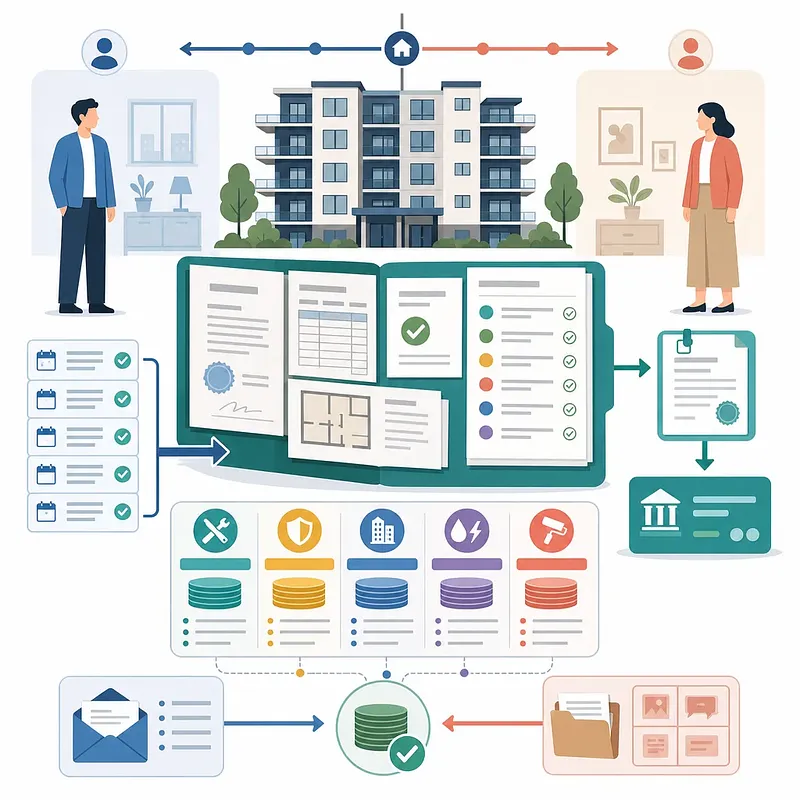
Tenants moving out of multi-family housing should not overlook long-term repair reserve payments included in maintenance fees. Although the owner generally bears this cost, a special lease clause or change in ownership may affect who is responsible for reimbursement. A sound settlement process starts with reviewing maintenance statements and the lease, obtaining a payment certificate and monthly breakdown from the management office, and checking the property registration record. The verified amount should then be requested from the responsible landlord in writing, with records kept separately from the security deposit and other maintenance fee settlements. This article provides a practical checklist, including steps to take if reimbursement is delayed or disputed. #RentalHousing #Lease

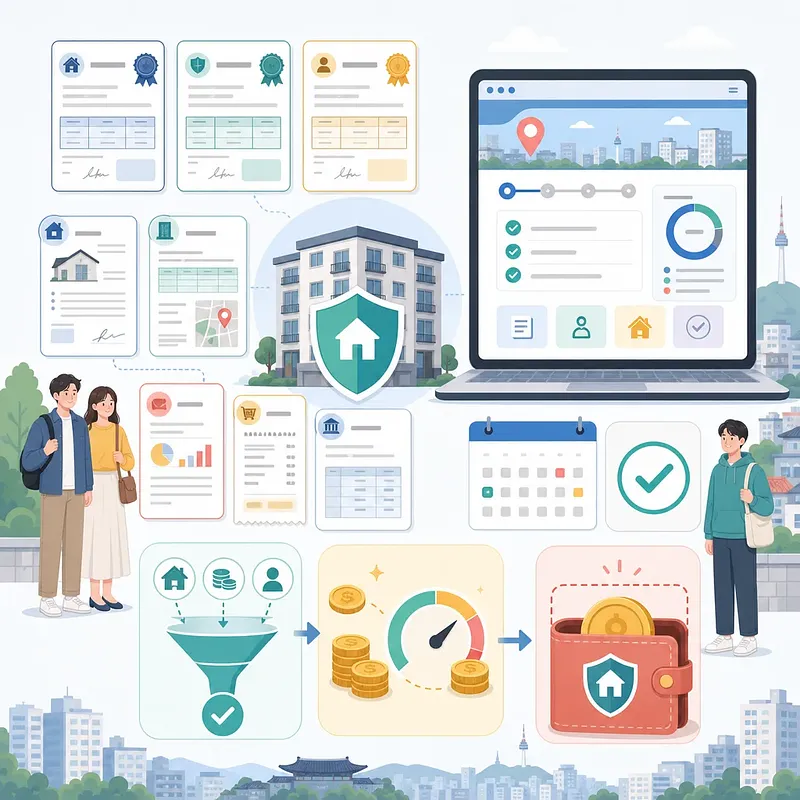
How to Apply for 2026 Jeonse Deposit Return Guarantee Fee Support and the 400,000 Won Maximum
The 2026 jeonse deposit return guarantee fee support program may help eligible tenants recover up to 400,000 won of the fee paid for a valid HUG, HF, or SGI guarantee. Eligibility depends on several factors, including not owning a home, having a rental deposit of no more than 300 million won, meeting income rules, and satisfying regional definitions for youth or newlyweds. The article also outlines how the benefit is calculated, which documents to prepare, and where to apply. Because application periods, budgets, and procedures differ by city, county, or district, applicants should review the local notice effective on their application date. #Jeonse #HousingPolicy
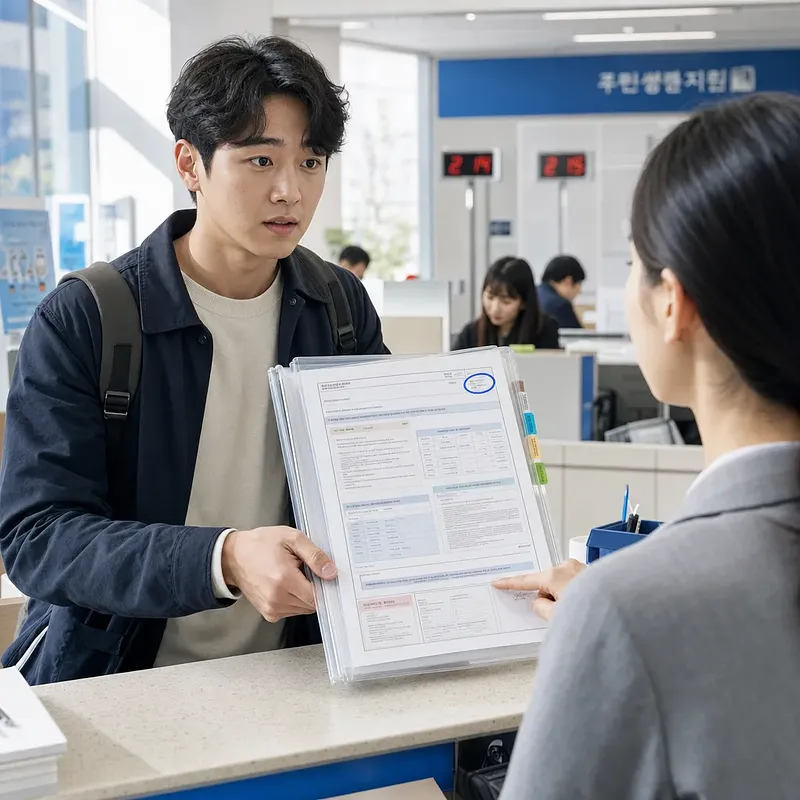

Businesses should review their 2026 Resident Tax Business Establishment Portion obligations before the August 31 deadline. Corporations with a business establishment as of July 1, 2026, and sole proprietors meeting the specified revenue threshold may need to file. The calculation combines the applicable basic tax amount with a floor-area tax. If taxable total floor area exceeds 330㎡, KRW 250 per ㎡ applies to the entire area. Accurate records matter: verify each establishment, floor area, capital or prior-year revenue, resident tax, and local education tax. If an advance payment notice does not match the actual information, correct and file it through Witax. #TaxFiling #BusinessTaxes


The fourth revision to the 2026 Small Business Policy Funds, issued July 30, includes eligibility guidance and conditions for dedicated support for small businesses affected by Homeplus. For applicants, understanding the process matters: confirm whether the desired fund is accepting applications, identify whether it is a direct or agency loan, and prepare the correct business, sales, employee, lease, and fund-specific evidence. Direct loans are reviewed by the Small Enterprise and Market Service, while agency loans require additional financial institution and guarantee institution reviews. This article walks through online application, document submission, supplementary requests, review results, and agreement procedures. #SmallBusiness #PolicyFunds

Differences Between the KRX New Securities Market, Fractional Investment, and STO
The Korea Exchange plans to open its New Securities Market on November 16, 2026, giving qualifying fractional investment securities an exchange-based trading venue through securities firms. Understanding the terminology matters. The New Securities Market is a trading venue, whereas token securities are an issuance and management method that records securities rights on a distributed ledger. Fractional investors also generally hold securities-based rights to income and disposal proceeds—not direct shared ownership of the underlying artwork or real estate. This overview examines the trading structure, listing requirements, return factors, and risks, including operating costs, taxes, fees, sale terms, and liquidity. Neither listing nor blockchain records guarantee principal, asset value, or immediate resale. #FractionalInvesting #TokenizedSecurities