 Injoys
Social
A short written take on each piece of content: what changed and why it matters. Skim the point first, then follow through to the full article only for what interests you. Every take is drawn from real content, so the link takes you straight to the material it is based on.

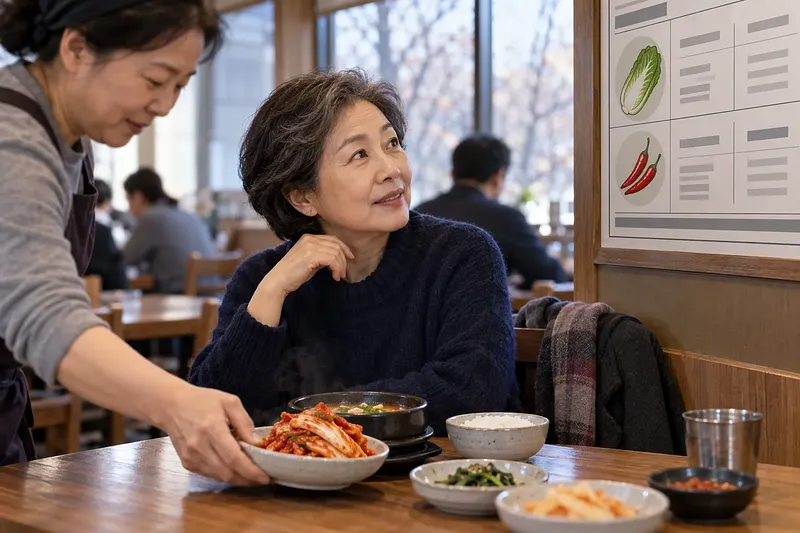
Napa Cabbage Kimchi: Packaged and Restaurant Origin Labels
Restaurants must label kimchi origins. For napa cabbage kimchi, that means the origins of the cabbage and chili powder. A product's place of manufacture is separate from its ingredients' origins. 'Made in Korea' does not mean every ingredient is Korean. In agricultural product origin labeling, 'Korean origin' and 'domestic origin' can be used interchangeably. For packaged kimchi made in Korea with chili powder, labels must give the origins of the top two ingredients excluding chili powder and salt, plus the origins of both. Without chili powder, labels must give the origins of the top two ingredients excluding salt, plus the salt's origin. This distinction helps buyers compare ingredient sources rather than rely on the manufacturing location. Restaurant operators serving napa cabbage kimchi and buyers of kimchi made in Korea can use the article as a guide when checking origin labels.


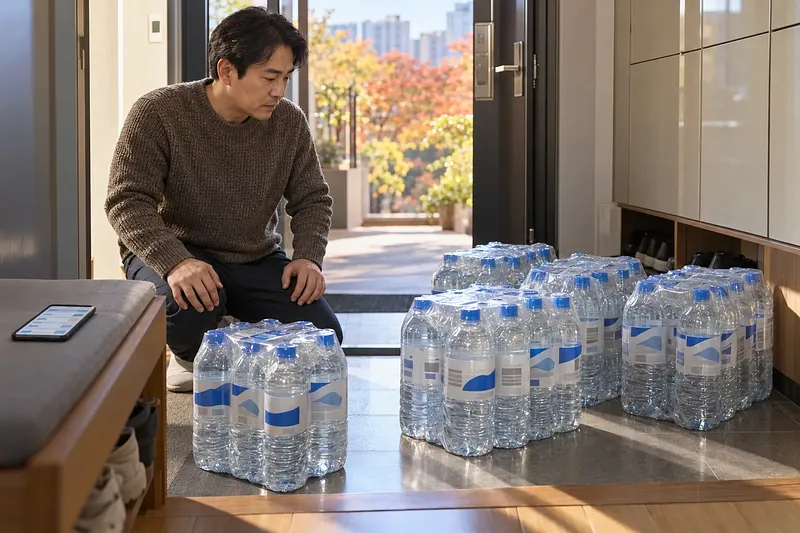
AI users still face refund limits. For online purchases in Korea, refunds depend on cancellation grounds and the restrictions that apply. Payment tokens reduce exposure of card information. They do not prevent misunderstandings about purchase terms, and clicking approval alone does not establish liability for every dispute. The article separates card protection from purchase obligations using Korean cancellation rules and a hypothetical flight-ticket example. Cancellation losses differ by 250,000 won between the two fares in that example, making the financial effect of different terms concrete. For people using AI to make purchases in Korea, keeping the AI instructions, approval screen and actual order details together makes the request easier to compare with the resulting purchase. Read the article for the checks to consider before delegating a payment.
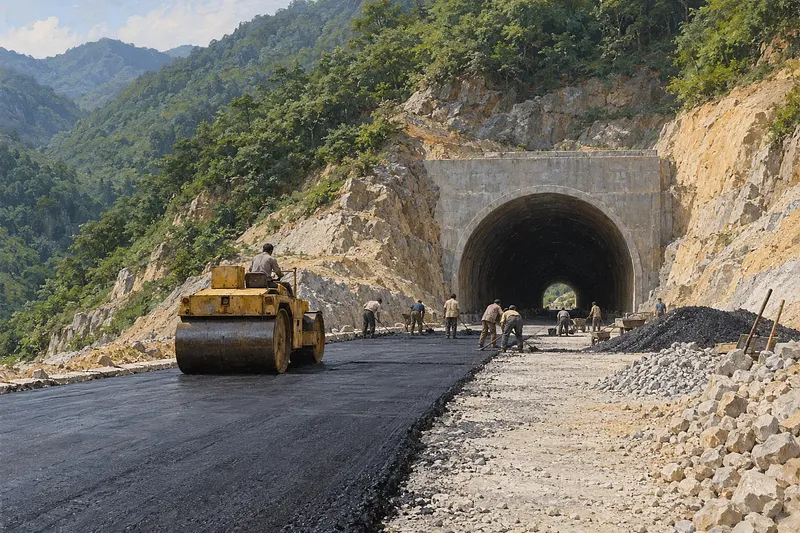
Gyeongbu Expressway needed tunnels. The Daejeon-Daegu section combined mountain tunnelling with bridge construction across the Geum River. Transport capacity had failed to keep pace with economic growth and rising production, with shortages worsening from 1965. That shortfall explains the practical problem the expressway was built to address. Although foreign capital was considered, domestic sources covered almost all actual construction costs. The article distinguishes the financing options from the money used, and completion on June 30, 1970 from opening on July 7, 1970. These distinctions help readers assess the project's funding and construction timeline accurately. Readers studying infrastructure planning or South Korean economic history may find the account useful. You can read it for the engineering constraints and the difference between Kim Won-gi's forecast of reduced regional disparities and results shown by evidence after opening.
10 Netflix episodes let fans plan. Nobody Wants This Season 3 is scheduled for October 22, 2026, in South Korea, with all 10 episodes released together. A same-day release lets viewers choose their own pace without waiting between weekly installments. The cast guide separates returning actors from new roles. Kristen Bell, Adam Brody, Justine Lupe, Timothy Simons and Jackie Tohn return in major roles. Andrew Rannells plays a fellow student in a conversion class; Sarah Silverman plays the rabbi leading it. Viewers in South Korea can read the article for the cast details and the season's starting point: Joanne and Noah begin living together.


Home Sharing Taxes and Lease Terms for Single-Home Owners
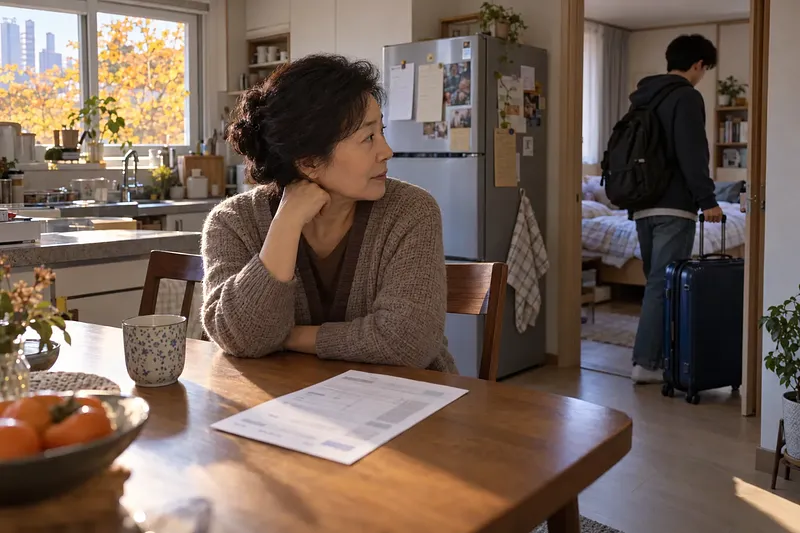
A room lease may have legal protection. Even agreements to rent out part of a room may fall under the Housing Lease Protection Act. For retirement planning, monthly rent is not a fixed pension payment. Vacancies and extra costs affect what remains available for living expenses. Taxes, health insurance and welfare benefit eligibility also belong in that assessment. Married couples owning only one home in Korea between them should check the monthly-rent tax exemption requirements, including an assessed property value of at most 1.2 billion won. Tax-free rent does not remove the other income and asset requirements for health insurance dependents. Older homeowners considering student tenants can read the article's introduction to Seoul's One Roof, Generational Empathy program. It connects older homeowners with students enrolled in or on leave from universities and graduate schools in Seoul.
Weekend catch-up sleep benefits and recovery guidelines
Adults shift sleep timing on days off. That gap is called social jet lag; recovery involves reviewing timing as well as total sleep. Weekend catch-up sleep can help temporary sleep loss, but it is unlikely to undo all the effects of repeated short nights. CDC's 2024 guidance recommends at least 7 hours of sleep a day for adults aged 18-60, a baseline for reviewing weekday sleep. Short naps can help daytime alertness. If sleeping at night is difficult, nap habits may need adjustment. Breathing and reflux symptoms also need to guide sleep-position choices. Adults balancing shorter weekday nights with weekend recovery can read the article to assess both sleep duration and timing, with guidance on the conditions that affect naps and sleeping positions.