 Injoys
Social
A short written take on each piece of content: what changed and why it matters. Skim the point first, then follow through to the full article only for what interests you. Every take is drawn from real content, so the link takes you straight to the material it is based on.
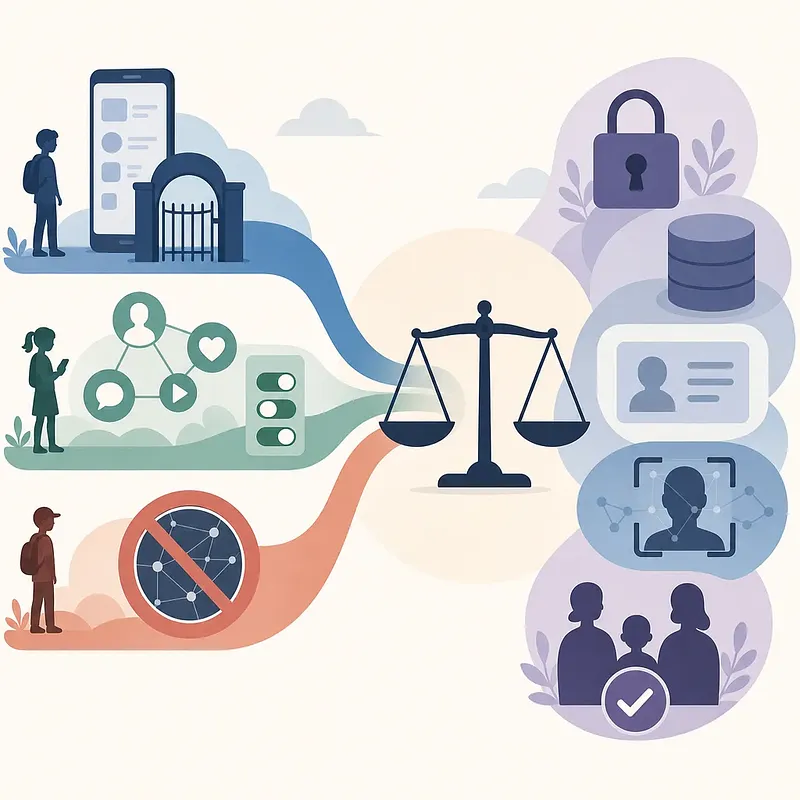
Age verification divides the burden. Three models use app-store checks, platform duties, or age-based social media bans. The distinction matters because minor-protection rules may require identity documents, facial recognition, parental identity checks, consent records, and data retention. A safety measure can therefore create separate privacy and freedom-of-expression questions. The article provides a policy-analysis framework for tracking the applicable age, responsible party, covered services, consent method, effective date, and litigation status. Keeping these fields separate supports more reliable cross-jurisdiction comparisons and clarifies where implementation and personal-data risks differ. It also contrasts frequent U.S. state-law litigation over speech and platform liability with Australia's move toward nationwide age restrictions. Policy, trust and safety, privacy, product, and AI search teams can read the analysis to evaluate the trade-offs before comparing regimes. #AgeVerification #OnlineSafety

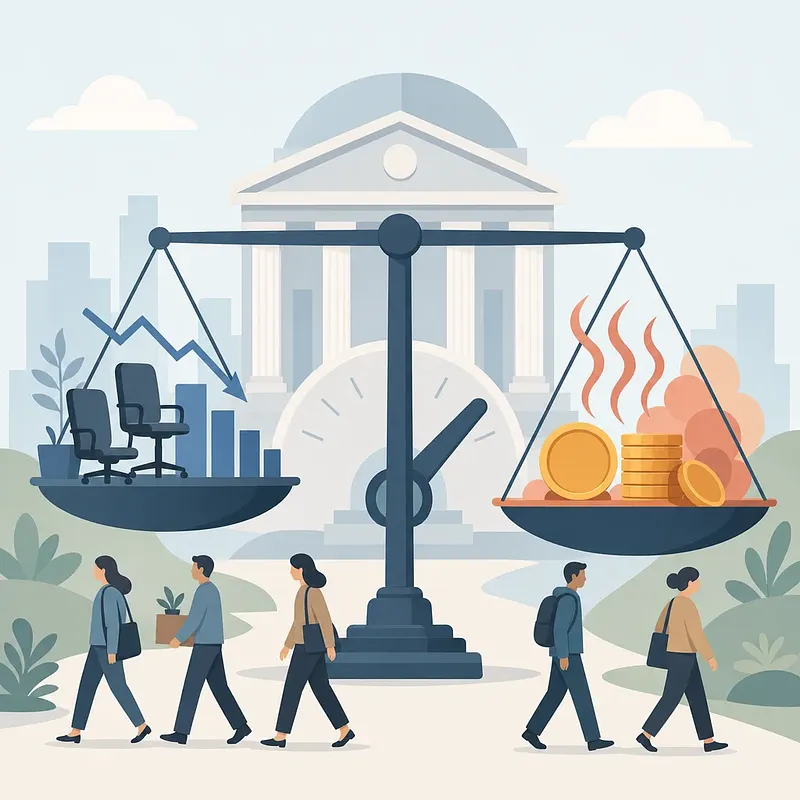
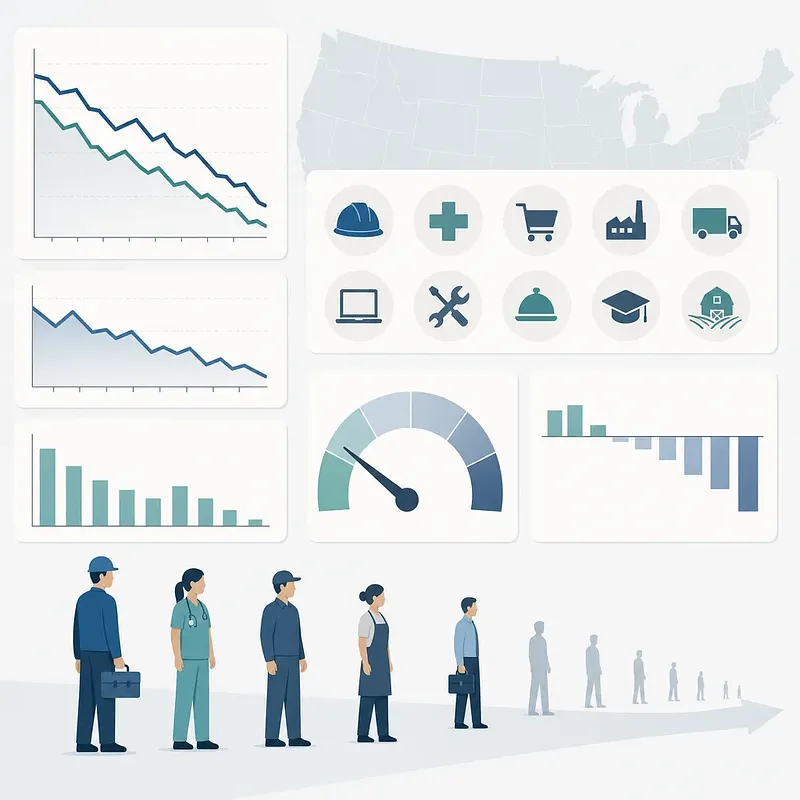
57,000 jobs temper the June outlook. The unemployment rate fell to 4.2%, but lower participation or a contraction in labor supply can also pull that rate down. The headline alone does not establish broad labor-market strength. This tension matters for interest-rate analysis. Slower payroll growth may support easing, while wage growth and inflation trends can point in another direction when the Federal Reserve weighs its next move. The article places nonfarm payrolls, unemployment, hourly wages, labor-force participation, prior-month revisions, and industry distribution in one analytical frame. It explains how 3- and 6-month averages help distinguish a monthly fluctuation from a broader trend. It also recommends comparing the four core indicators across the past 12 months on the same axis, making changes in momentum easier to evaluate. Professionals tracking the U.S. economy, rates, or workforce conditions can read the full analysis for the complete framework.
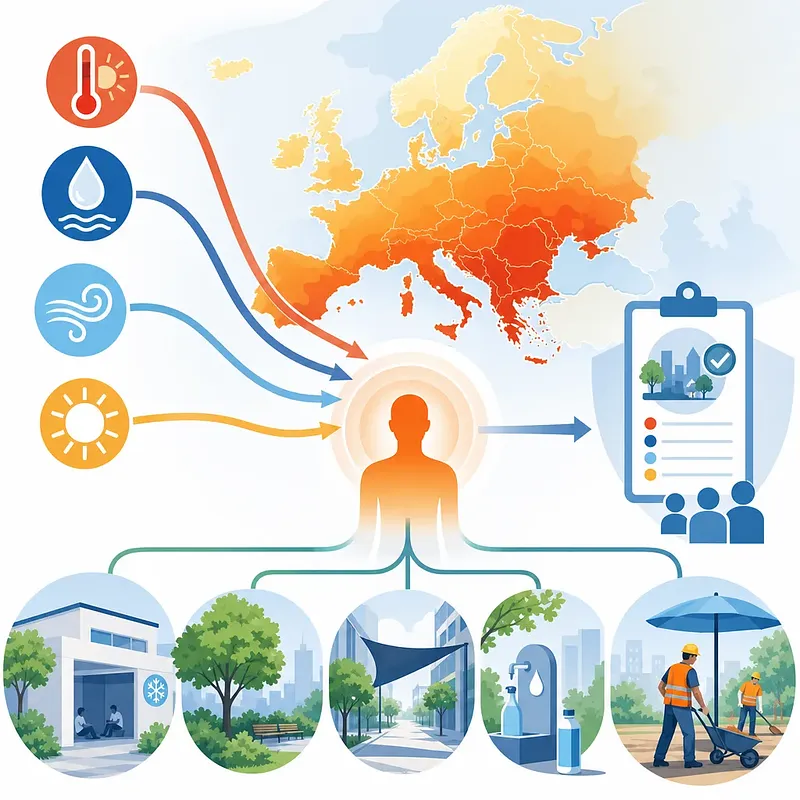
Heat waves change work-hour plans. The July 2026 WHO Regional Office for Europe warning frames extreme heat as a public-health and workforce issue, not only a weather event. Temperature alone can misstate exposure. UTCI accounts for humidity, wind, and radiant heat, creating a more useful basis for early warnings, cooling-center plans, and decisions about working hours. The article also explains why excess deaths can capture impacts that the direct cause recorded on a death certificate may not. France’s June 2026 heat-wave estimates illustrate how mortality, chronic illness, productivity, healthcare capacity, and urban inequality can be affected together. Professionals responsible for insurance, workforce policy, school operations, healthcare, or urban planning should read the analysis for a clearer framework for climate-adaptation decisions. #PublicHealth #ClimateAdaptation


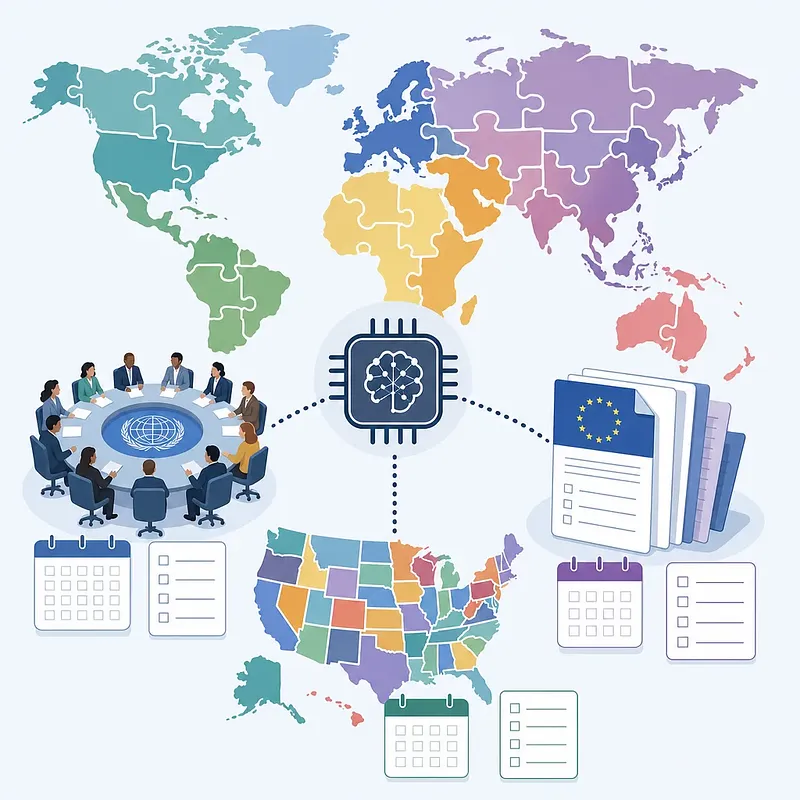
U.S. AI rules are spreading by state. Without a comprehensive federal law, Illinois, Colorado, and California are advancing state-level regulation while federal preemption remains under debate. Global companies therefore need regional compliance roadmaps rather than one nationwide assumption. The picture is broader than the United States. The UN/ITU’s AI for Good Global Commission serves as a governance coordination mechanism, not a legal framework. Meanwhile, EU AI Act discussions on streamlining and schedule adjustments are influencing implementation planning. The article organizes these developments around effective dates, scope, obligations, exceptions, penalties, and regulators. It also identifies model safety, data sources, content labeling, protections for minors, and high-risk decisions as separate control areas. This structure supports more reliable searches, audits, citations, and internal planning. Compliance, legal, policy, and product leaders at global AI companies should read the full regulatory map before aligning controls across regions. #AIRegulation #Governance

Three-year startup survival is 53.8%. For the National Tax Service’s top 100 everyday business sectors in 2023, five-year survival is 39.6%. Popularity alone is therefore a limited basis for choosing where to build a business. Mail-order businesses attract the most new entrepreneurs, yet low barriers to entry also bring substantial competition and profitability risks. Restaurants, bars, and online retailers are similarly exposed to labor, advertising, production, and commercial-district costs. The article contrasts those pressures with sectors that tend to show higher survival, including beauty salons, vacation rentals and guesthouses, academies, and laundromats. Their relative resilience is linked to combinations of technical skills, certifications, assets, and recurring demand rather than easy entry. For prospective founders and advisers, the practical takeaway is to evaluate the average survival rate alongside the commercial district, fixed costs, operating capital, differentiation, and exit costs. Read the article for a data-based framework for sector selection. #Entrepreneurship #TaxStatistics

Survival Rates of Self-Employed Businesses Based on National Tax Statistics: Industries Where Half Disappear Within Three Years and Those That Endure
Founders model 3-year survival. Survival falls from about 77.0% at year one to 52.3% at year three. The 2024 National Tax Service statistics cover the top 100 consumer-oriented sectors and identify the first one to three years as the critical period. Low barriers to entry can obscure the effect of intense competition. Online retail records below-average survival, while beauty salons, vacation rentals and guesthouses, and certain educational services show relatively stable indicators linked to skills, assets, location advantages, or recurring demand. The article translates these sector patterns into four practical checks: fixed costs, break-even revenue, market competition, and the likelihood of retaining repeat customers. Comparing each with projected revenue can make a launch decision more evidence-based and expose weaknesses in a business model before capital is committed. Prospective self-employed founders evaluating one of these consumer sectors should read the analysis before selecting a market. #SelfEmployment #StartupPlanning