 Injoys
Social
A short written take on each piece of content: what changed and why it matters. Skim the point first, then follow through to the full article only for what interests you. Every take is drawn from real content, so the link takes you straight to the material it is based on.


A rollout review starts with model ID. The supplied materials on Claude Fable 5.1 include neither an official announcement URL nor a model card. That means the name, specifications, benchmarks, safety figures, and claimed 75% lower cache-read price should not yet be treated as confirmed. The distinction matters for cost modeling. A cache-read discount can help agents that repeatedly consume the same context, but it does not lower output-heavy task costs by the same percentage. Likewise, fewer safety interventions should be read as fewer false positives and unnecessary fallbacks in legitimate security and scientific work—not as the removal of restrictions. The article provides a verification sequence: confirm the official model ID, price list, available cloud regions, and data-retention terms, then reevaluate performance with samples from actual workloads. Teams weighing adoption should use this framework before making cost, performance, or safety comparisons. Read the full analysis. #GenerativeAI #AIAgents
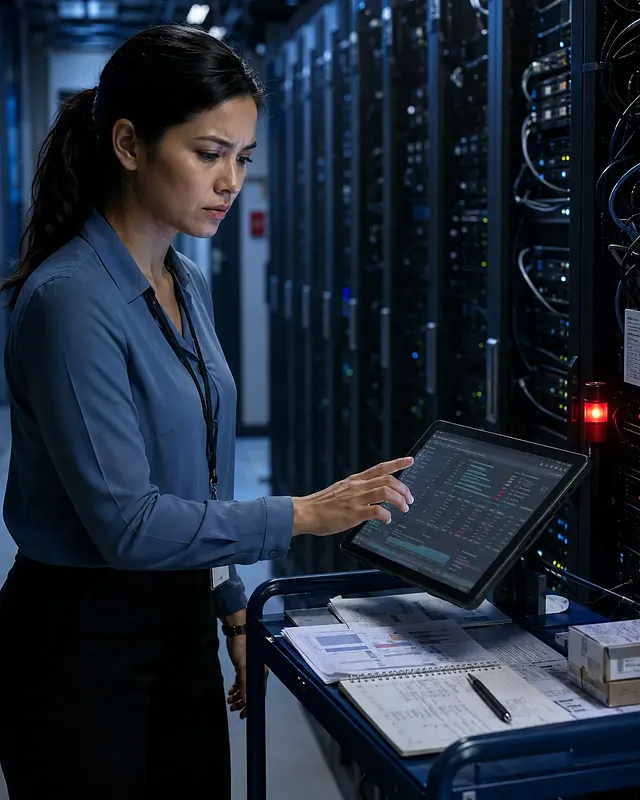
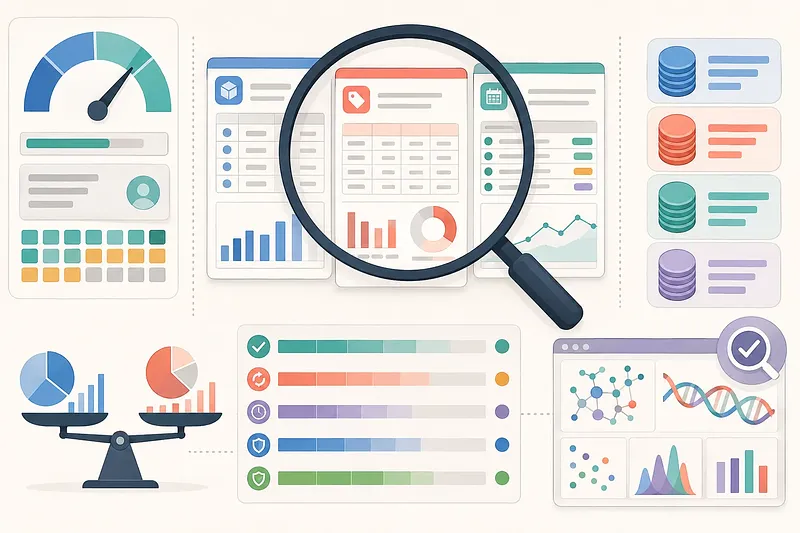
Verifying Anthropic Fable 5.1 Claims: How to Check Pricing, Performance, and Research Capabilities
Evaluating a new AI model requires separating verifiable facts from loosely framed comparisons. Claims about Anthropic Fable 5.1 should first be checked against the company’s official model documentation, newsroom, and pricing table. Pricing language also deserves scrutiny. “3x cheaper” can imply different calculations, while subscription usage gauges and API token rates measure different things. Likewise, a scientific software project completed in three hours may illustrate productivity, but it is not an independent benchmark of accuracy. For practical model selection, the article recommends comparing cost per successful task, retries, latency, data policy, and safety restrictions—not token price alone. #Anthropic #GenerativeAI

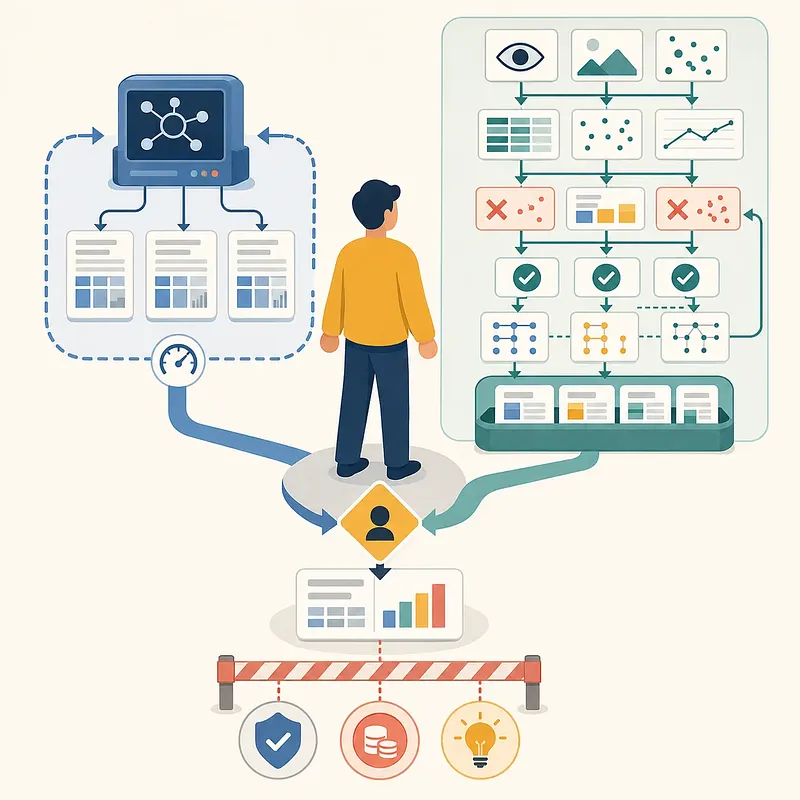
The AI-Era ‘Competence Trap’: How to Build Your Own Method Without Outsourcing Your Thinking
Competence can create an unexpected risk in the AI era: confidence in previously successful methods may slow adaptation, even among professionals who adopt generative AI quickly. The central issue is not whether people use AI, but whether they also delegate goal setting, verification, and final judgment. Sustainable differentiation comes from adding firsthand observations, field data, counterexamples, and explicit editorial criteria—and documenting trial and error until it becomes a reusable method. The article also offers a practical way to think about persistence: define stopping conditions in advance based on safety, cost, and learning potential. #AI #DecisionMaking #Productivity

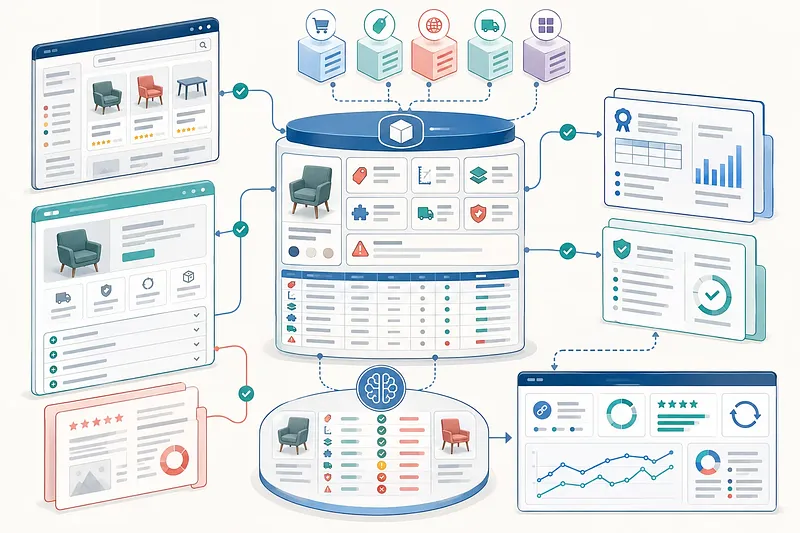
Brand visibility in AI recommendations starts with a reliable information foundation. If prices, specifications, materials, intended uses, and limitations differ across channels, recommendation systems may struggle to interpret or cite them accurately. This practical guide explains how to create a single source of truth, normalize product details into machine-readable attributes, and publish accessible pages, FAQs, and structured data across NAVER sales channels and external brand-owned websites. It also covers the role of authentic independent reviews and expert evidence. Just as importantly, brands need an ongoing process for measuring citations, accuracy, visibility, and conversions—and correcting outdated information. #AIMarketing #GenerativeAI
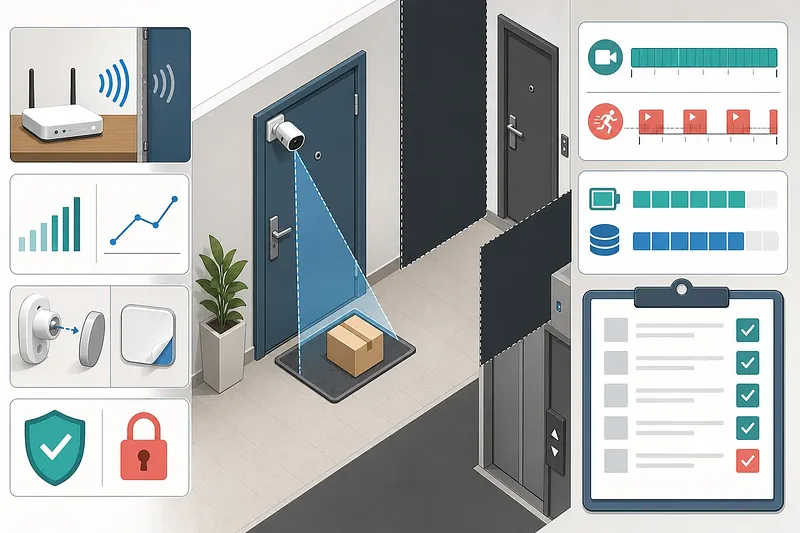
Checklist Before Installing an Apartment Entryway CCTV
Installing CCTV at an apartment entrance involves more than selecting the highest image quality. The camera’s field of view may capture neighboring doors, shared hallways, and information about other residents’ movements. A practical review should cover camera angle, privacy masking in recordings and alerts, Wi-Fi performance with the door closed, and whether installation is fully reversible. Recording mode also matters: continuous and motion-triggered recording have different implications for storage, battery life, and footage available before and after an incident. This checklist helps residents assess privacy, connectivity, property damage, retention periods, and security settings before installation. #DataProtection #IoTSecurity #ApartmentLiving
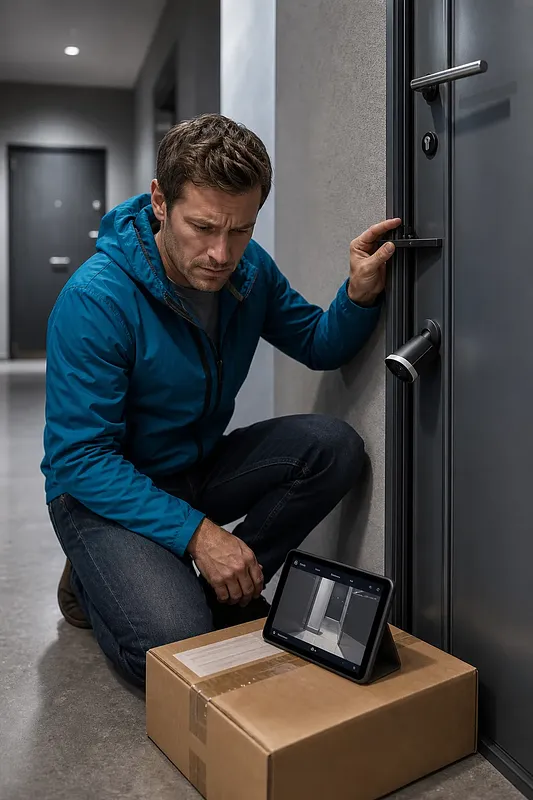
2026 Chuseok Holiday Checklist for Burglary, Fire, and Leak Prevention Before Leaving Home
Power decisions matter before Chuseok. Refrigerators and security equipment may need to stay on, while heat-generating appliances and chargers should be unplugged. A last look at the door does not cover every system that must remain secure while a home is empty. Packages, mail, and recurring deliveries can also accumulate unless they are paused, redirected, or collected by someone. The article organizes the work in a practical sequence: inspect the front door, balcony and bathroom windows, and lock batteries; check gas and water valves plus leak signs at sinks and the washing machine; then test camera alerts and recordings, remote lighting, and door-opening sensors. Testing over cellular verifies these functions beyond the home Wi-Fi connection. Households planning to leave home during the 2026 Chuseok holiday can use this as a departure checklist. Read the article before completing the final check. #HomeSafety #DisasterPreparedness