2026 Chuseok Holiday Checklist for Burglary, Fire, and Leak Prevention Before Leaving Home
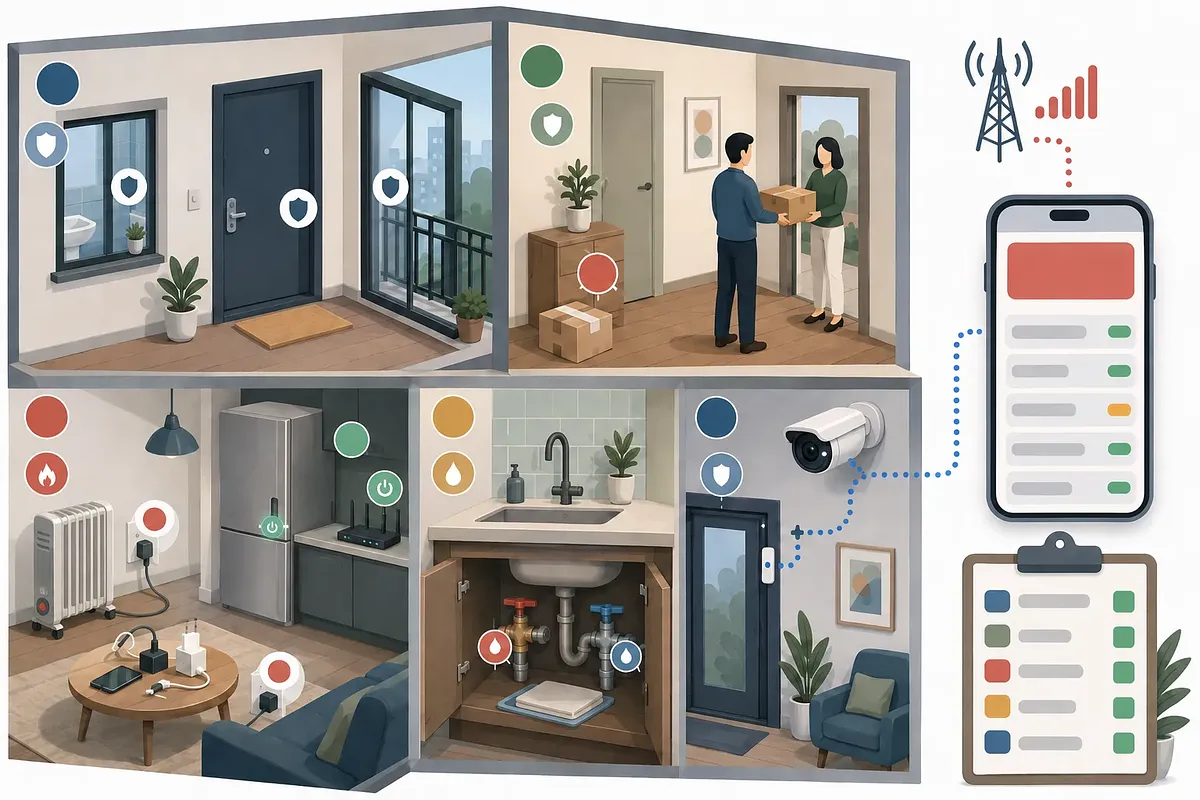
This is the order for checking everything from entrances and windows to electricity, gas, water, home cameras, and door-opening sensors before leaving home for the 2026 Chuseok holiday. Do not stop at a final check just before departure; test remote alerts before you leave.
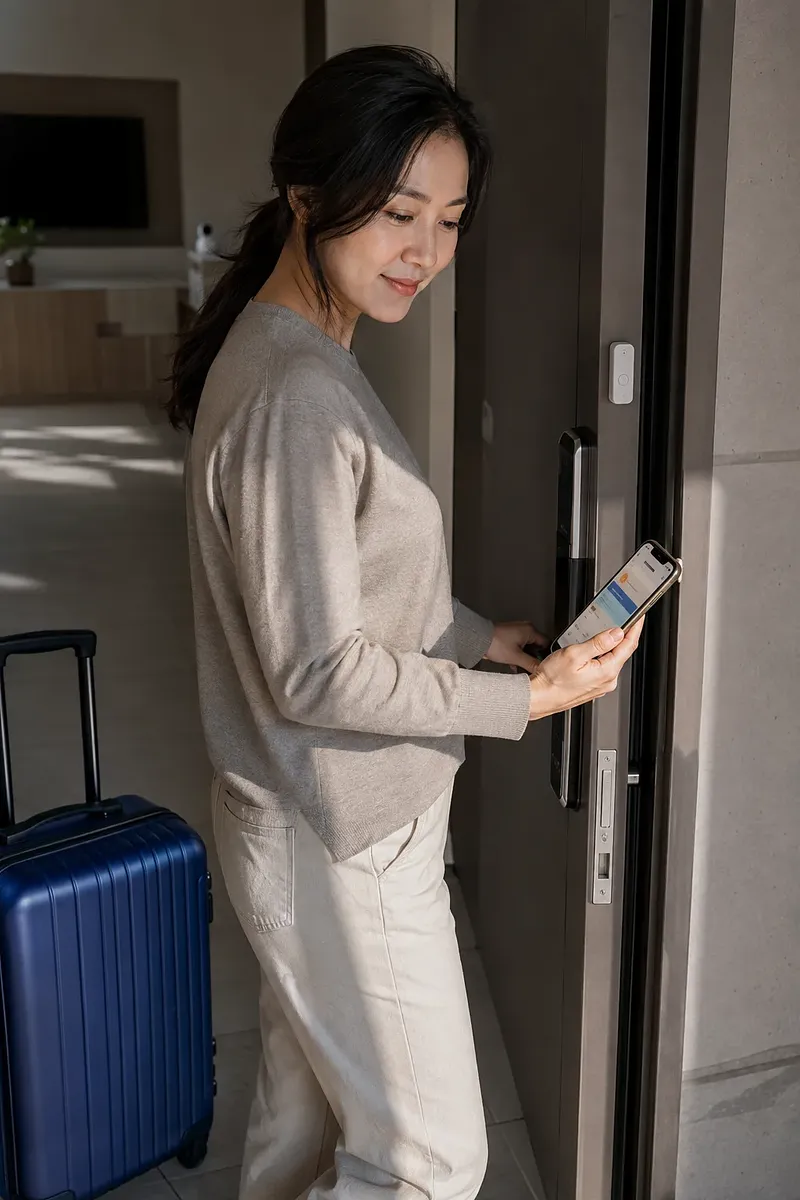
Before leaving, inspect the front door, balcony and bathroom windows, and door lock batteries, and personally test every lock.
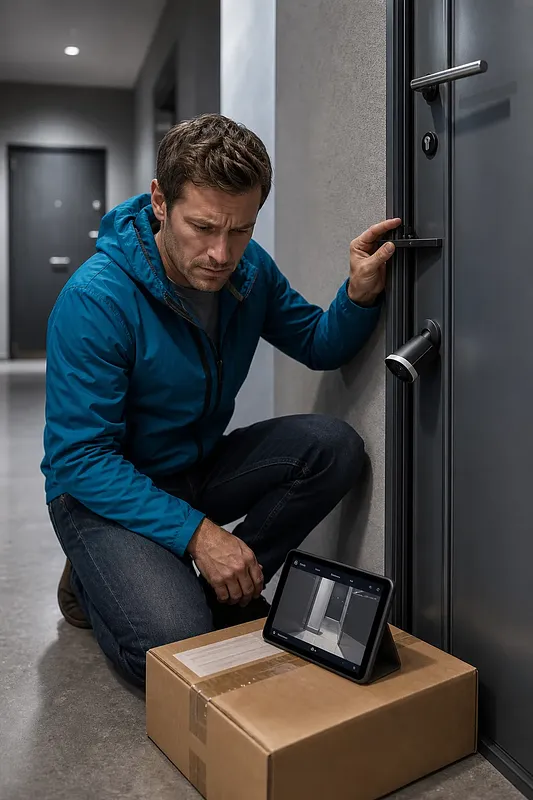
Pause package, mail, and recurring deliveries, or designate someone to collect them so that signs of an empty home do not accumulate.
Identify devices that must remain powered, such as the refrigerator and security equipment, then unplug heat-generating appliances and chargers.
Check the gas shutoff valve and water valve, and inspect for signs of leaks around the kitchen sink, bathroom sink, and washing machine.
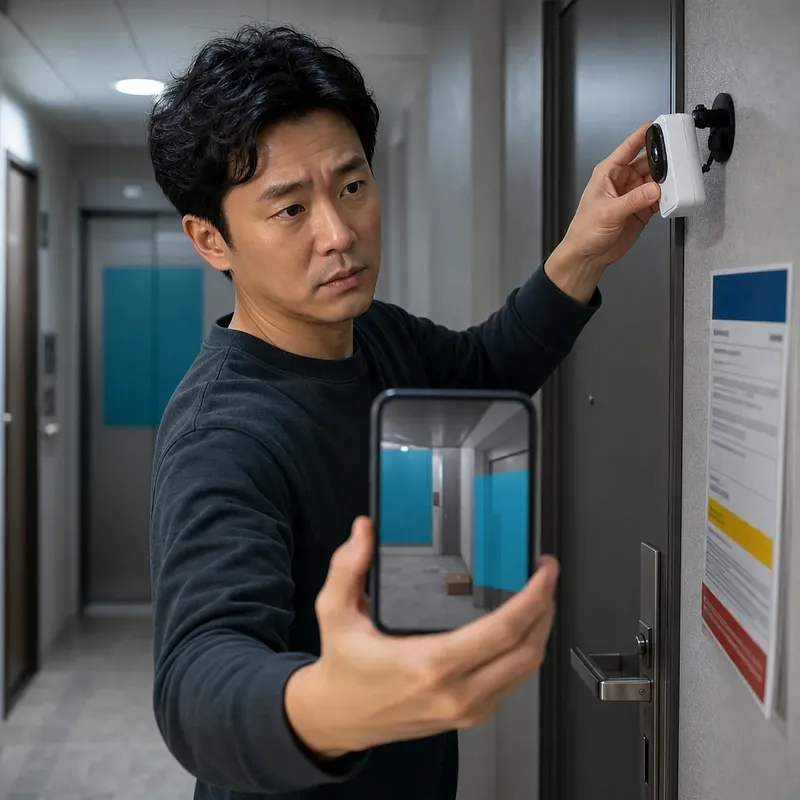
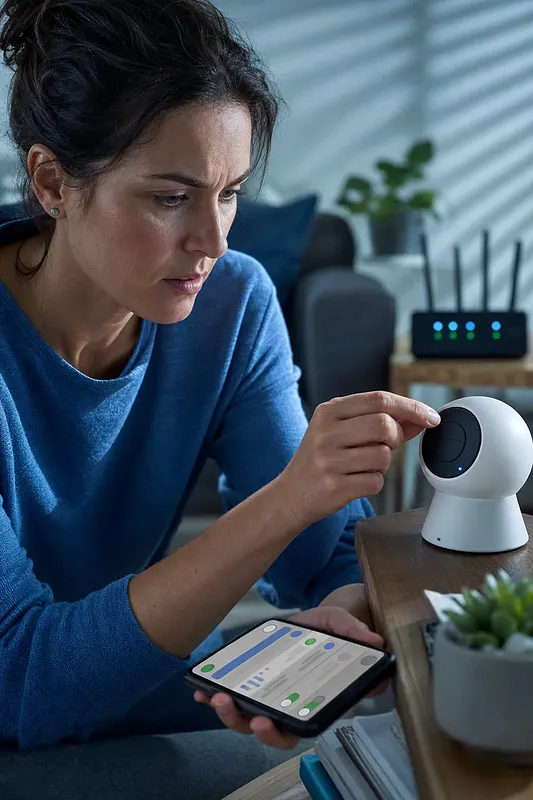
Using a cellular network rather than Wi-Fi, test the alert and recording functions of home cameras, remote lighting, and door-opening sensors.
The 2026 Chuseok holiday runs from Thursday, September 24 through Saturday, September 26, and many people will remain away from home through Sunday, September 27. No special qualifications or application procedures are required for this inspection. Complete functional tests before departure, and conduct a final check immediately before leaving. If you notice anything unusual, first ask your building management office or a qualified technician to take action. For immediately dangerous situations such as crime, fire, or a gas leak, check the official guidance from the Korean National Police Agency or National Fire Agency for the appropriate emergency number.
You will need new door lock batteries, a mobile phone, a flashlight, dry tissues or paper towels, and a checklist. If you use smart devices, check the dedicated app’s login and notification permissions in advance.
1. Check the Entrance, Windows, and Door Lock First
Checking all points where someone could enter your home from outside while moving in one direction reduces the chance of overlooking a small window.
· Close the front door and pull the handle to verify that the latch and lock have actually engaged.
· Check that the auxiliary lock and door chain on the front door work properly.
· Lock the balcony windows, utility room windows, and small bathroom windows in that order.
· Lock each window separately even if security bars are installed. Also check whether the security bars wobble or have loose or missing screws.
· If the door lock displays a low-battery indicator or sounds a warning, replace the batteries with new ones that match the manufacturer’s instructions. Do not mix batteries of different types or different levels of use.
· With the door open, test the door lock’s locking and unlocking functions several times, then close the door and check it one last time.
Emergency physical keys and external emergency power methods vary by product. Check the manual to see whether these are supported and how to use them, but do not leave a key in an easily guessed location such as a mailbox, flowerpot, or meter box.
2. Prevent Deliveries and Mail from Revealing That the Home Is Vacant
Delivery boxes and mail accumulating for several days can reveal a prolonged absence to outsiders. Take care of the following before departure.
· Temporarily suspend or reschedule recurring deliveries, early-morning deliveries, and newspaper and milk deliveries.
· Check shopping sites and delivery notifications to make sure no orders will arrive while you are away.
· Arrange for a family member or trusted neighbor to collect your mail.
· Do not share the building entrance code or door lock code unnecessarily.
· Do not post your travel schedule or the period when your home will be vacant on public social media in real time.
· When notifying the building management office of a prolonged absence, clearly specify contact information and the conditions for emergency access.
Moving items left outside your door into a fire access route, stairway, or shared hallway to conceal them may obstruct evacuation. Do not store items in the common areas of an apartment building.
3. Organize Appliances and Chargers Other Than the Refrigerator
It is difficult to recommend switching off all circuit breakers at once. Doing so may also turn off devices that need to keep operating, such as the refrigerator, security equipment, and leak detectors. Divide devices into three groups when deciding what to do.
Category | Typical Devices | Action Before Departure
Devices that should generally be unplugged | Iron, hair appliances, electric kettle, toaster, electric heater, electric mat, mobile device chargers | Turn them off, make sure they have cooled, then disconnect them by gripping the plug body
Devices that need continuous power | Refrigerator and freezer, home security camera, router, door-opening sensor hub, automatic leak shutoff valve, essential medical devices | Maintain power and network connections and test notifications
Devices to handle according to the manual and operating environment | Boiler, water purifier, bidet, washing machine, dishwasher, remote-controlled lighting | Follow the manufacturer’s instructions, considering water supply connections and freeze protection, sanitation, and scheduled-operation functions
Also check the following.
· Remove dust and flammable materials from power strips, and stop using them if you notice discoloration, melting, or a burning smell.
· Make sure electrical cords are not crushed by furniture or caught in door gaps.
· Cancel scheduled operation for washing machines, dryers, and dishwashers.
· Do not leave power banks or charging wireless devices on bedding or sofas.
· Use smart plugs only within their rated capacity and the range permitted by the manufacturer. Do not connect refrigerators or high-power heating appliances at your own discretion.
4. Check for Signs of Gas or Water Leaks
Gas Inspection
· Make sure all gas stove knobs are in the off position.
· After you finish using gas appliances, close the intermediate valve located near the appliance.
· If continuously operating equipment such as a boiler is connected, decide whether to shut off the supply according to the manufacturer’s manual and building management standards.
· If you smell gas, do not operate electrical switches for lights, ventilation fans, outlets, or similar equipment, and do not use an open flame. Open doors to ventilate the area as much as safely possible, then move to a safe place and contact the emergency number listed in the National Fire Agency’s official guidance or your city gas provider.
Water Supply and Leak Inspection
Do not rely only on visual checks around the kitchen sink, bathroom sink, toilet, washing machine, and water purifier. Wipe the connections with a dry tissue. If moisture forms again, a small leak may be present.
· After closing all faucets, check whether the meter continues to move.
· Inspect the water supply hoses for the washing machine, dishwasher, and water purifier for cracks, swelling, or rusted connections.
· Check the floors inside the cabinets under the kitchen and bathroom sinks for water marks, discoloration, or a moldy smell.
· If you do not plan to use water for an extended period, you can close the main water valve inside your unit. However, first make sure there is no equipment that requires water, such as a boiler, automatic water supply device, or pet water dispenser.
· Do not operate shared water supply or fire protection system valves in an apartment building at your own discretion.
If a valve is corroded or excessively stiff, do not force it. Damage could worsen a leak, so ask the building management office or a qualified technician to inspect it.
5. Test Home Security Cameras, Remote-Controlled Lighting, and Door-Opening Sensors
It is not enough for a device screen to show “connected.” Test whether notifications arrive under conditions that match an actual absence from home.
· Keep the home security camera and sensor apps up to date, and check whether the account uses a strong, unique password and supports multi-factor authentication.
· Turn off Wi-Fi on your mobile phone and switch to the mobile network.
· Open the front door and check whether you receive a door-opening notification.
· Move in front of the home security camera and verify that a motion-detection notification and recording are generated.
· Check that the date and time on recorded footage are accurate and that storage space remains available.
· Turn remote-controlled lighting on and off and verify that the commands are carried out by the actual device.
· If a trusted person will also receive notifications, share access with the minimum necessary permissions and revoke that access after you return home.
Adjust the angle of home security cameras so they do not excessively record shared hallways outside your entrance or the interior of a neighbor’s home. Do not continue using the default password, and consider replacing devices for which the manufacturer has discontinued security updates.
Final 10-Minute Check Before Departure
Immediately before departure, go through the following items in order. If you use an appliance or the water supply again after checking, you must repeat the inspection from the beginning.
· Removed trash and food waste.
· Canceled scheduled operation for the washing machine, dryer, and dishwasher.
· Unplugged heating appliances and chargers.
· Kept power on for the refrigerator, router, home security camera, and essential equipment.
· Turned off gas appliances and closed the necessary intermediate valves.
· Confirmed that no new moisture has formed around water supply connections.
· Suspended deliveries and recurring deliveries or asked someone to collect them.
· Locked the balcony, bathroom, and utility room windows.
· Tested the door lock and door-opening sensor.
· Shared emergency contact information with a household member or trusted person.
Keep an Inspection Record and Emergency Response Plan
One aspect often missing from a typical vacant-home checklist is a record that the inspection was completed and the sequence of actions to follow if a problem occurs. Taking photos of the gas and water valves, major outlets, and closed windows immediately before departure can help you confirm what you handled. However, photos alone do not guarantee safety or insurance coverage.
Save the following information on your mobile phone.
· Contact information for the apartment building management office or building manager
· Contact information for the city gas provider and for reporting electricity or water supply problems
· Contact information for a nearby family member or trusted neighbor
· Manufacturers and model names of the home security camera, door lock, and leak sensor
· Whether you have home insurance and the insurance company’s incident reporting contact information
When you receive a remote notification, first determine the type of situation rather than rushing home alone. If you suspect an intrusion or there is smoke, flames, a gas smell, or a need for emergency rescue, check the official guidance from the Korean National Police Agency or National Fire Agency for the appropriate emergency number and report it. If it is simply a leak notification, ask the building management office or a designated person to check the location.
 Injoys