 Injoys
Social
A short written take on each piece of content: what changed and why it matters. Skim the point first, then follow through to the full article only for what interests you. Every take is drawn from real content, so the link takes you straight to the material it is based on.

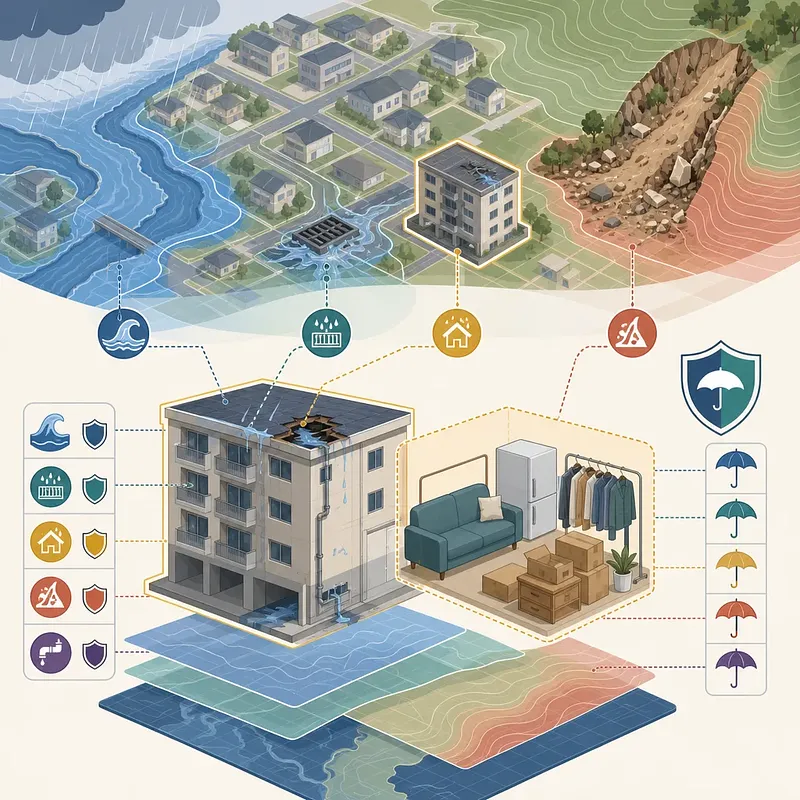
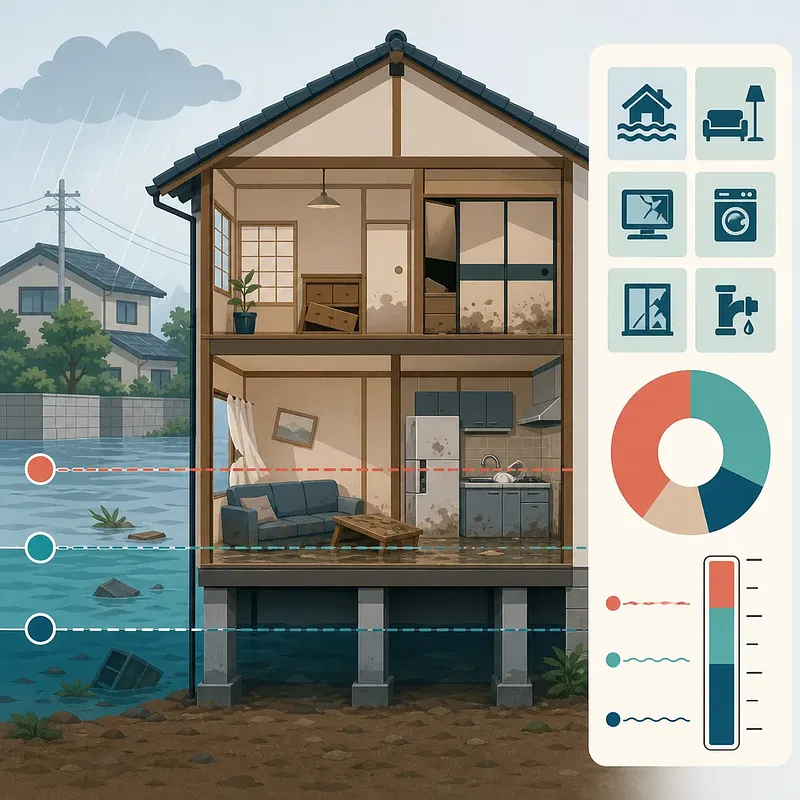
Understanding flood coverage in Japanese fire insurance requires more than checking whether an area appears on a hazard map. Policies may use distinct conditions such as inundation exceeding 45 cm from ground level, flooding above floor level, or a loss ratio of at least 30%—but the actual contract terms take precedence. This article explains why projected inundation depth indicates future risk rather than claim eligibility, and how river flooding, inland flooding, rainwater intrusion, and water leakage may be treated differently. It also outlines the separate checks renters should make for household contents, tenant liability, and repair expenses. #JapaneseInsurance #FloodRisk #RiskManagement
How to Interpret and Prepare for Simultaneous Rises in Home Prices, Jeonse, and Monthly Rents
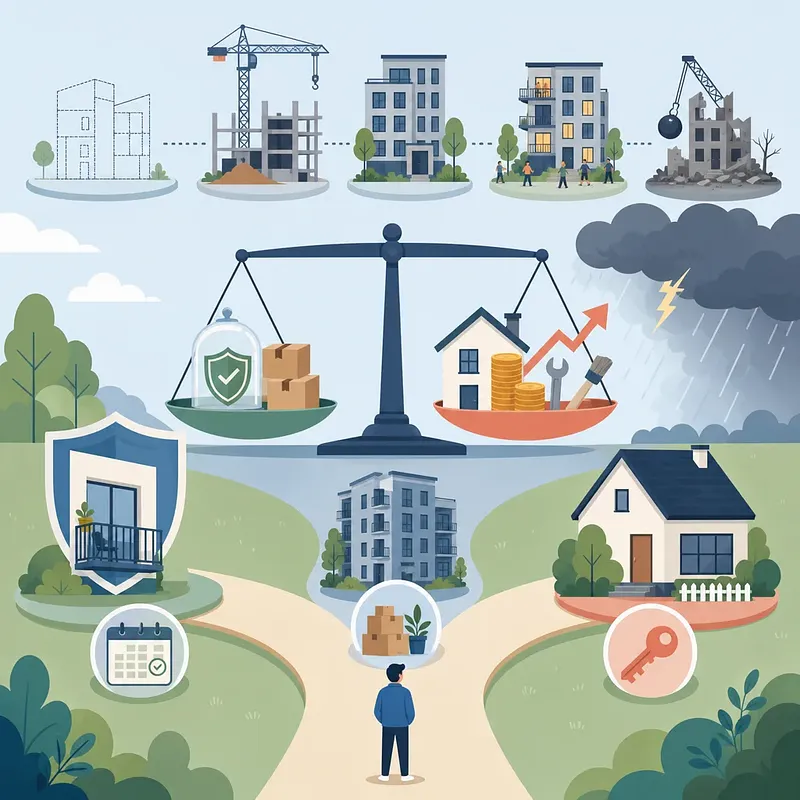
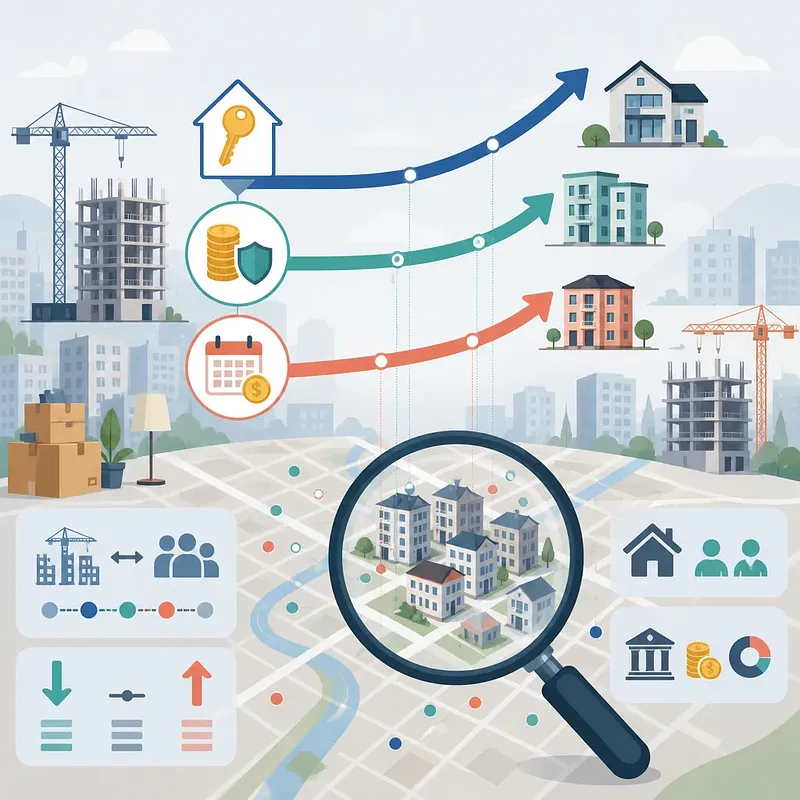
Simultaneous increases in home prices, jeonse, and monthly rents can occur because these housing options function as substitutes. However, attributing every local increase to a supply shortage can lead to poor decisions. A more useful assessment combines actual transaction prices, rental volumes, listing time on market, future move-in supply, interest rates, and household numbers within the relevant living area. It also distinguishes permits, construction starts, completions, and move-ins rather than treating them as interchangeable supply measures. For renters, preparation should begin 4–6 months before lease expiry. For prospective buyers, affordability should be stress-tested against higher rates, declining income, and lower prices—not inferred from a high jeonse-to-sale ratio alone. #HousingMarket #HousingSupply
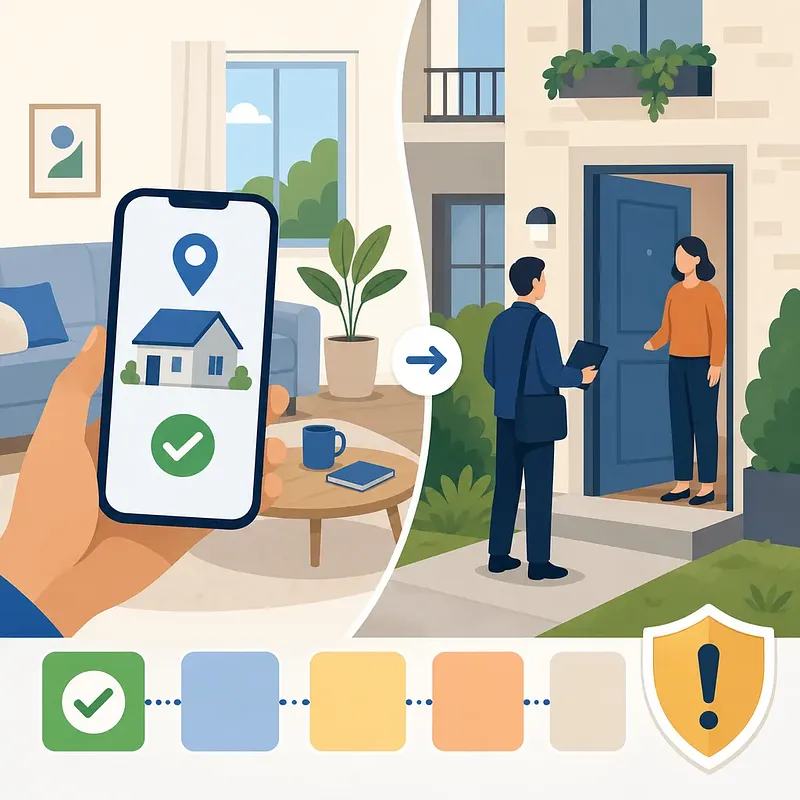
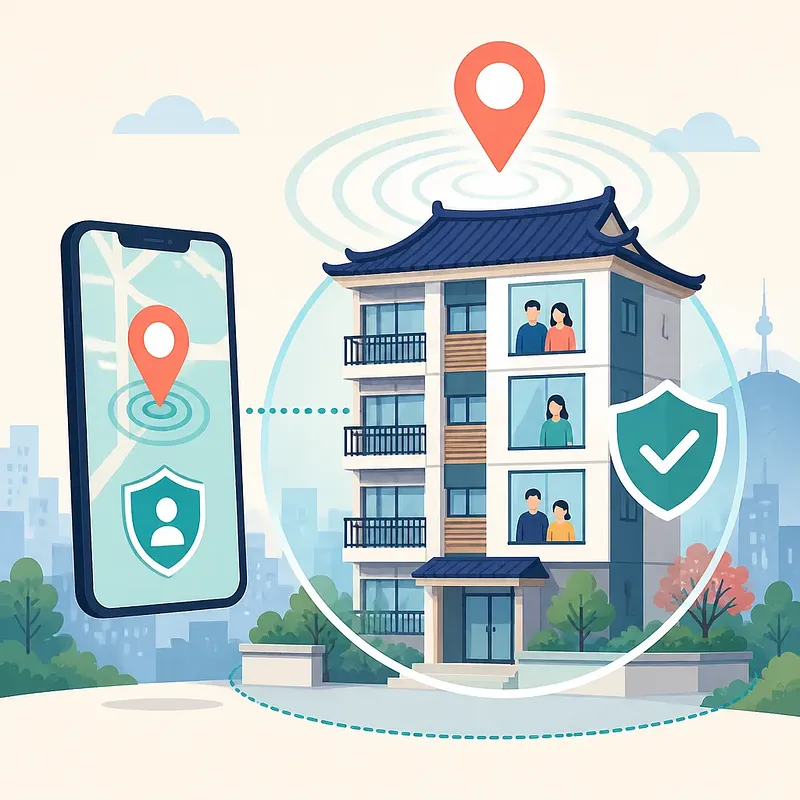
The 2026 remote resident registration fact survey offers households a mobile participation option through the Government24 app from July 20 to September 7. Any household member registered as part of the same household may participate—not only the head of household. A key requirement is location verification: the mobile phone must be within 50 m of the registered address. Those unable to complete the remote survey may be included in an in-person survey conducted from September 8 to November 9. While refusing or evading the survey without a valid reason may lead to a fine of up to KRW 500,000, simply not using the app does not automatically trigger a fine. The article explains the schedule, eligibility, verification process, and follow-up steps. #Government24 #ResidentRegistration

The legal effect of a will in South Korea depends on more than the testator’s written wishes. Under the Civil Act, a testator may freely revoke all or part of a will before death, including through a later will or an inter vivos act. Conflicting terms in a newer will can revoke earlier provisions to the extent of the conflict. This article also distinguishes revocation from cancellation and invalidity. It outlines when mistake, fraud, or duress may permit cancellation, why the applicable exclusion period must be reviewed, and how failure to follow one of the five statutory forms can make a will invalid. Testamentary age and mental capacity are also essential considerations. Understanding these distinctions can help families and professionals assess whether a will remains legally effective. #Inheritance #CivilLaw

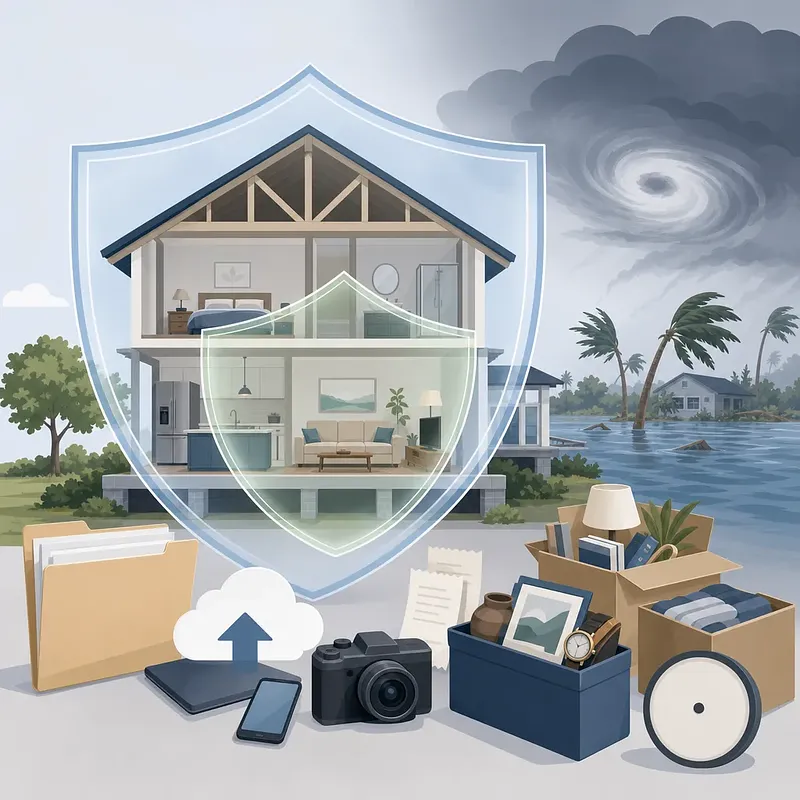
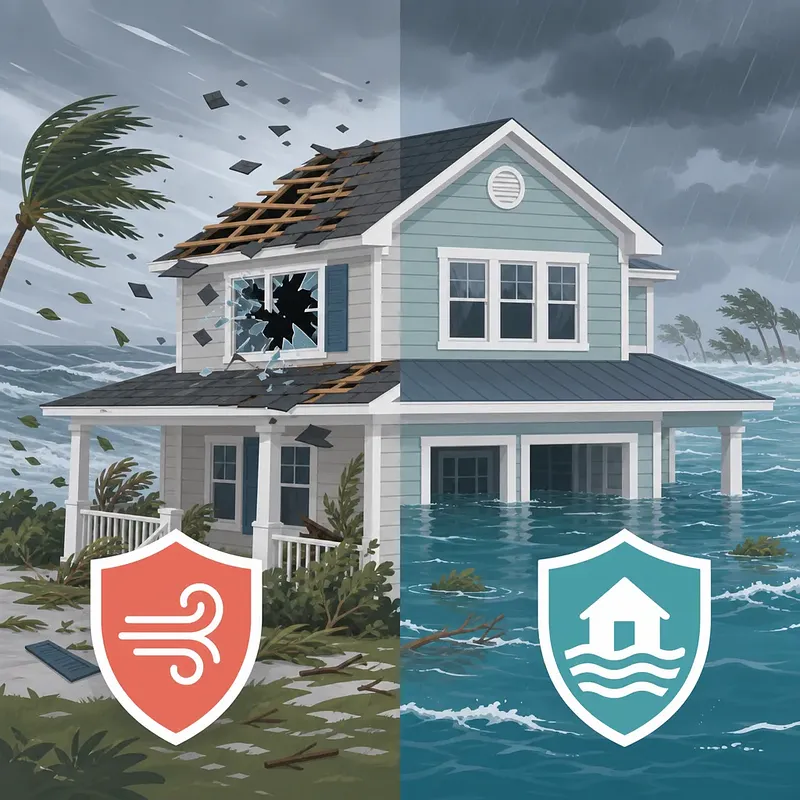
Hurricane losses often involve more than one insurance policy, making the cause of damage especially important. Standard homeowners insurance generally does not cover storm surge or rising surface water. However, rain entering after wind damages a roof or window may be covered by homeowners insurance or a separate windstorm policy. NFIP policyholders should also verify building and personal property coverage separately, including the limits for each. New NFIP policies generally have a 30-day waiting period, subject to limited exceptions. Reviewing coverage and storing policies, inventories, photos, videos, and receipts externally can make future claims easier to document. #FloodInsurance #NFIP #DisasterPreparedness
August 2026 Electricity Bill Lookup: How to Check Usage and Estimated Charges on KEPCO ON
Electricity billing data is most useful when users understand what it represents. This guide explains how direct-contract customers can register their customer number on KEPCO ON to review finalized charges, usage information, and estimated charges to date. It also clarifies an important timing issue: charges are based on usage between meter-reading dates, not necessarily the calendar month. Estimates can change after unread usage, progressive tiers, discounts, fuel cost adjustments, taxes, and other items are finalized. For apartment residents billed through management fees, management-office data may better reflect the household’s actual share. #ElectricityRates #KEPCOON