Social
A short written take on each piece of content: what changed and why it matters. Skim the point first, then follow through to the full article only for what interests you. Every take is drawn from real content, so the link takes you straight to the material it is based on.


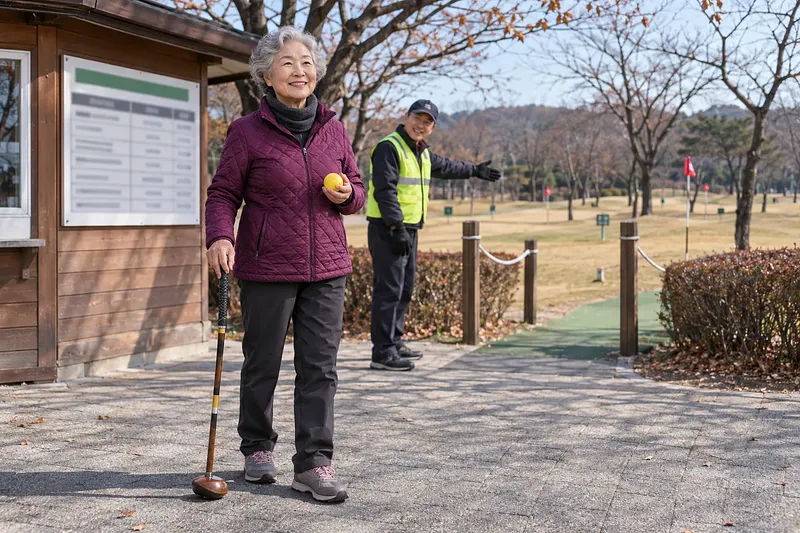
Park golf groups check access rules. Busan resident priority depends on the day of the week, even at these free courses. There is no course fee to budget for a planned outing to Samnak, Hwamyeong and Daejeo. Entry is first-come, first-served on site for each 9-hole round. The article explains how to find course and visitor information on the Busan Park Golf website, then check same-day closures and reopenings in Nakdong River Management Headquarters notices. It also lists what to bring: a physical ID with a photo and address, plus park golf equipment. Visitors planning a round at these three Busan courses can read the article for the preparation steps and on-site entry process.


Nonresidents book park golf online. Gyeongju residents instead apply at the course management office. Resident rates depend on the registered residential address on the day of use. Standard daily fees are 6,000 won for residents and 10,000 won for nonresidents. Nonresidents select a course and date on Gyeongju Public Service Reservation. The booking route and daily fee help visitors plan their time and spending. Before travelling, checking closure notices and the course entrance can help avoid an unnecessary journey or detour. Visitors should bring an ID or annual membership card and a payment card, then complete the required procedures at the management office before entering when it is their turn. The full article has booking and arrival information for residents and nonresidents planning a Gyeongju visit.

.here opened to buyers Nov 10, 2026. Early registration for .eat, .fly and .here carries a one-time extra fee on available names. General registration starts at 1 a.m. Korean time on November 18, 2026. Available names can then be registered at the standard annual price, without that extra fee. That timing affects the upfront registration cost. There are no special eligibility requirements or country-specific restrictions for .here. For a .fly website, browser access requires the site to serve content over HTTPS, a separate website setup condition. Teams considering one of these extensions can read the article to distinguish registration fees from website requirements before choosing a name and registration time.


Work dates matter to Dong Seoul riders. Before departure, terminal notices are the place to confirm the actual boarding point. The guide covers the planned modernization date and how to confirm a move to a temporary terminal. A construction plan is not a substitute for checking where the bus will board. It also explains how to find timetables and fares for a chosen departure date. Express and intercity buses use separate official booking services, so the bus type determines which service to use. At the terminal, compare the destination and departure time on the ticket with the platform information. After a mobile or paper ticket check, passengers take their assigned seat. For passengers departing from Dong Seoul, preparing these steps means less to work out on arrival. Read the guide when arranging the trip.


2.5 reaches Gemini Robotics partners. Google DeepMind's rollout is partner-focused; public API timing remains undisclosed. For teams assessing integration, a partner rollout is different from a scheduled public release. Availability in Korea, pricing and usage limits have not been disclosed either. Gemini Robotics 2.5 is a vision-language-action model: it turns visual and language inputs into robot motor control. Google says its evaluations showed better task success and faster completion than its previous baseline. Google also reported a 96% task success rate for Apollo 2 in a proof of concept for picking and packing automotive parts. That result describes a specific trial, rather than performance across every robotics task. Robotics partners and general developers can read the article to separate reported results from unanswered access questions and keep development assumptions based on what has been announced.

Heo Nanseolheon: Life and How Her Poetry Was Passed Down
Poetry scholars trace family support. Heo Nanseolheon's family of writers broadened her opportunities in Joseon. Women's literary activity was restricted, so that educational setting helps explain her opportunities to write. Her poems should not simply be treated as autobiography: the poor female speaker in Binnyeoeum should not be equated with an author from a yangban, or elite, family. The article separates the conditions in which she wrote from the later preservation of her poems. Gyujanggak bibliographic records document Heo Gyun's role as compiler, distinct from Heo Nanseolheon's authorship. Compilation in 1590 and the publication of a Joseon woodblock edition in 1608 were separate events. Researchers and readers of Joseon literary history can use these distinctions to avoid confusing poetic voice with biography, or compilation with publication. The article offers the fuller account of her life and how her work was passed down.