 Injoys
Social
A short written take on each piece of content: what changed and why it matters. Skim the point first, then follow through to the full article only for what interests you. Every take is drawn from real content, so the link takes you straight to the material it is based on.

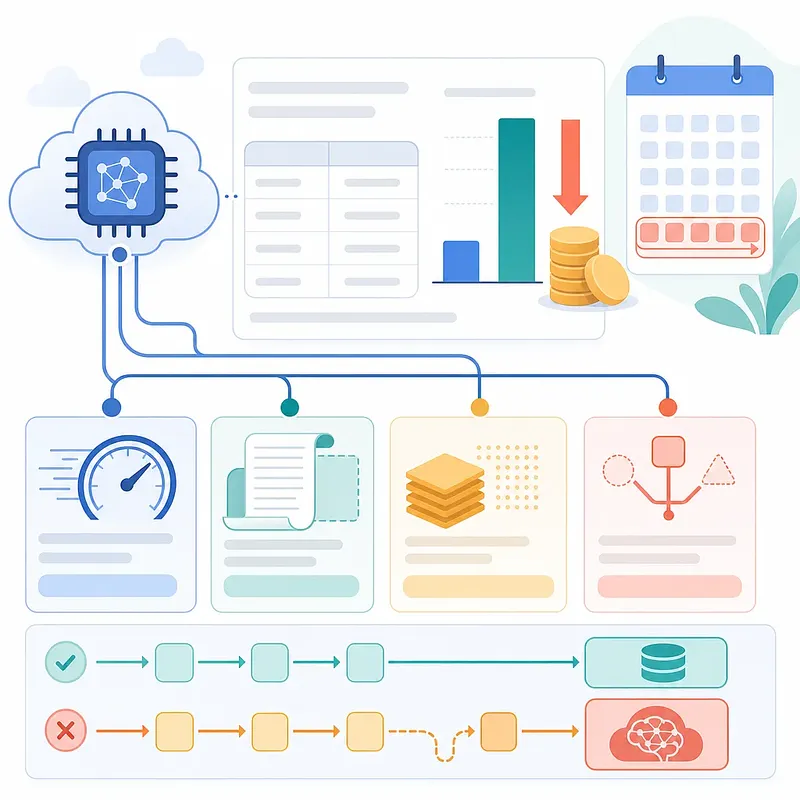
OpenAI’s promotional pricing for GPT-5.6 Sol could materially change API cost forecasts. The standard rate is now $400 per 1 million input tokens and $2,000 per 1 million output tokens, with availability through at least November 21, 2026. The reductions also cover fast mode, long-context requests, Batch, and Flex processing, although teams should verify the applicable rate for their processing method and account terms. Why it matters: output tokens cost five times more than input tokens. Response length and repeated agent iterations can therefore have a substantial effect on actual spending. The article breaks down the announced reductions, promotion timing, and practical cost considerations. #AIDevelopment #OpenAI


Seoul’s rising share of monthly rental transactions points to a structural change shaped by fewer jeonse listings, shifting financial conditions, deposit repayment risks, and landlords’ preference for recurring cash flow. Understanding the data requires care: the monthly-rent share describes newly reported contracts, not the proportion of all tenant households currently living under monthly-rent arrangements. The article also explains conversion-rate calculations. At a 5.6% annual rate, converting a 100 million won deposit produces a monthly equivalent of approximately 467,000 won. It distinguishes market conversion rates from the statutory ceiling and outlines key contract checks, including deposit protection, fees, termination clauses, and ownership information. #HousingMarket #HousingCosts


Why Calling a Star Performer a “Genius” Can Ruin Them
A star performer delivers again. Calling them a “genius” may reward the result while making failure and help-seeking feel costlier. Fixed-ability praise can create an identity the recipient feels pressure to protect. Useful recognition works more like learning data. The article explains how to connect the observed situation and behavior to their impact, then identify what can be repeated. It also distinguishes effective strategy, revision, collaboration, and verification from unconditional praise for talent or effort. Result-only praise carries team-level risks: work concentration, knowledge hoarding, overwork, and dependence on one person. Timely feedback matters, but public or private delivery should reflect the recipient’s preferences and organizational context. Leaders, managers, and people professionals supporting high performers can use this framework to make recognition clearer and more transferable. Read the article before the next feedback conversation. #Leadership #PsychologicalSafety


In difficult periods, inspiring words may offer perspective, but lasting value comes from translating them into practical behavior. This article examines five themes—giving up, self-esteem, growth, comfort, and fear—and connects each one to manageable action. That might mean choosing the smallest step within your control, evaluating progress as a long-term learning process, or recognizing that rest and asking for help are not failures of willpower. It also addresses the limits of excessive positivity. For professionals and anyone working toward demanding goals, this is an important reminder: sustainable progress depends less on sweeping resolutions and more on repeated actions aligned with your standards and circumstances. #SelfManagement #Motivation

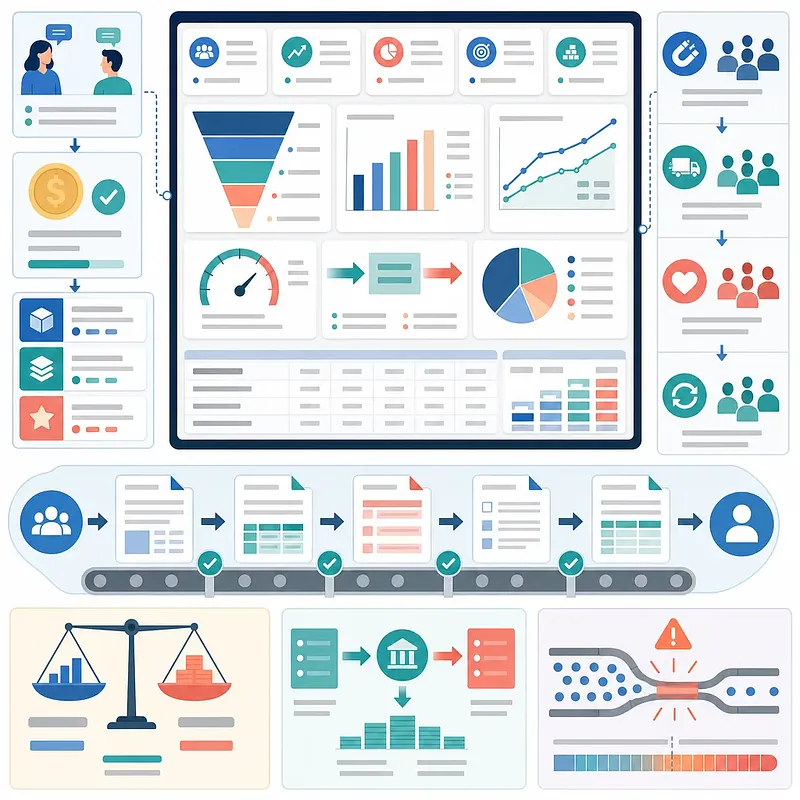
A KRW 100 million monthly revenue target is not a strategy until it is translated into operating requirements. This article shows how to work backward from price, customer count, conversion rate, and retention to estimate the sales volume and delivery capacity required. It also outlines a practical validation sequence: customer interviews, concrete proposals, and paid pilots before investing in a finished product. Why it matters: revenue growth can create operational and financial strain when delivery is not standardized or when customer acquisition cost, contribution margin, concentration risk, and cash flow are ignored. A scalable service needs both repeatable execution and sound unit economics. #Startup #BusinessStrategy #Productivity

2026-27 Cal Grant Application Process for California Community College Students
California community college students pursuing additional Cal Grant consideration for 2026–27 should plan around the September 2, 2026 application deadline. The process starts with determining whether the FAFSA or California Dream Act Application applies to your circumstances. Students should gather 2024 income and tax records, household information, and details about their intended college before filing. Submission is only one part of the process. It is also important to confirm that a Cal Grant GPA was electronically reported and to review school, GPA, and award eligibility information through WebGrants 4 Students. The article outlines each step and explains how to identify and correct errors. #CalGrant #FinancialAid