 Injoys
Social
A short written take on each piece of content: what changed and why it matters. Skim the point first, then follow through to the full article only for what interests you. Every take is drawn from real content, so the link takes you straight to the material it is based on.


Widespread Pain With Normal Tests: Causes and When to Return
Unexplained pain isn't proof of stress. A cause not yet found does not, by itself, establish somatic symptom disorder. Normal test results also do not mean pain is faked. That distinction matters when deciding whether to seek follow-up. Test results have limits, and symptoms help guide when to return for another assessment. The article explains how to weigh a normal result without treating it as a verdict on whether pain is real. It also separates false positives from overdiagnosis. Neither concern is a reason to avoid necessary tests. Older adults can still be assessed and treated for arthritis and urinary incontinence; age alone does not rule out that care. In Korea, an advance directive for life-sustaining treatment does not refuse all treatment. People with widespread pain and normal tests, along with professionals helping them plan follow-up, can read the article for symptom-based guidance and these clarifications.
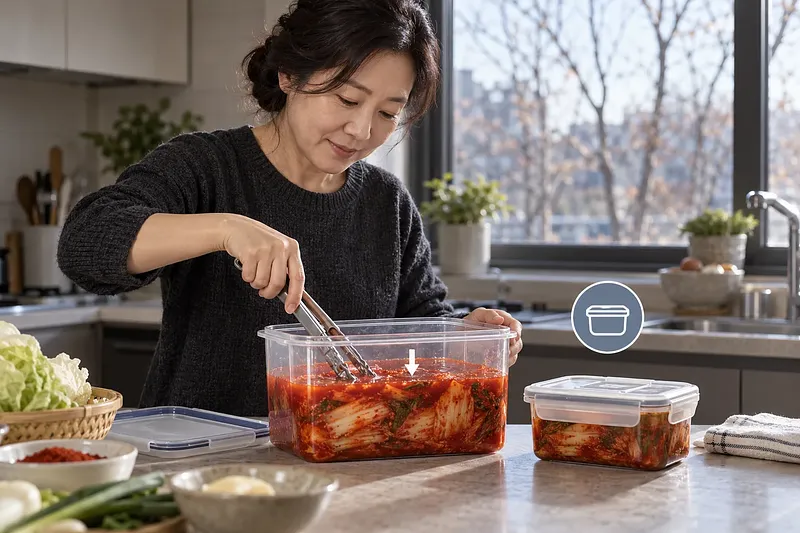
Kimjang Kimchi Storage in a Regular Fridge at 4°C or Below
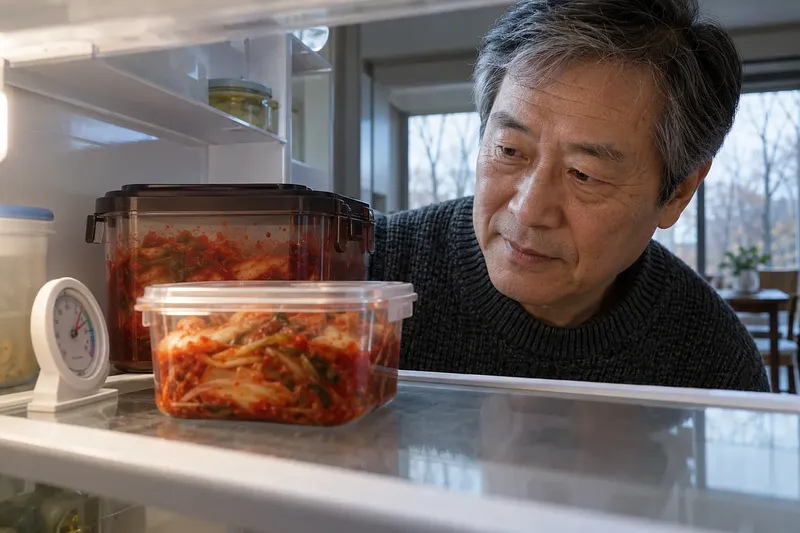
4°C on the dial can mislead kimjang keepers. Check the kimchi's actual storage temperature, not just the setting. A regular refrigerator can hold kimjang kimchi, and the National Food Safety Information Service advises 4°C or below to help prevent golmaji. The setting does not confirm the temperature where the container sits. Refrigeration also slows maturation rather than stopping fermentation, so a cold setting alone cannot establish how long a batch will keep. The article explains why separating kimchi for eating soon from kimchi saved for later is useful. You can open the later portion less often, reducing its exposure to air and contamination while keeping everyday servings accessible. Storage time still depends on the ingredients and the batch's storage history. For households keeping kimjang kimchi in a regular refrigerator, read the article for the temperature and portion checks. It also explains why storage time varies rather than giving every batch the same срок.
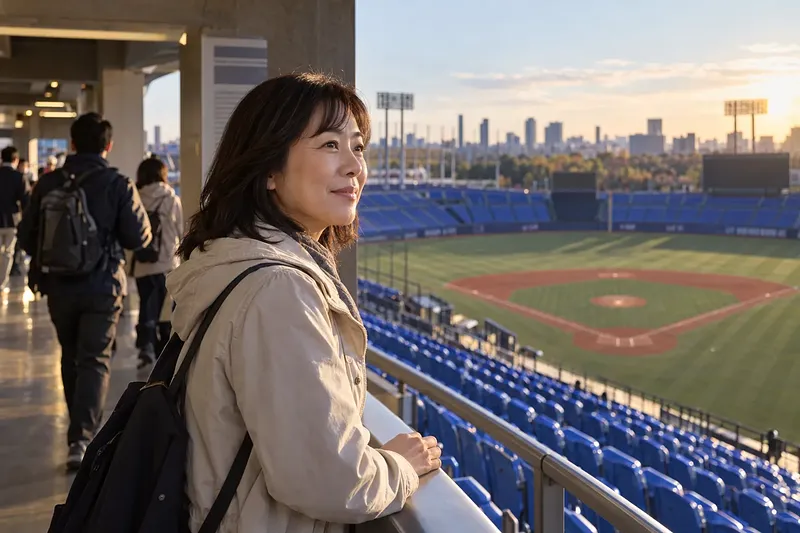
Japan Series planners see venue shifts. Games 3-5 are assigned to the Pacific League qualifier’s home stadium, between the Central League qualifier’s slots for Games 1-2 and 6-7. The 2026 SMBC Japan Series is scheduled to start October 24, but the series ends when one team reaches four wins. Later assigned games might not be played. Postponements or ties may also extend the schedule, so a game number alone does not settle a travel date. The guide sets out the home stadium for each game, travel days and start times based on the teams that qualify. If you are planning a visit, it helps match a game to the right league’s home venue and shows how rain postponements could change the plan. The Central and Pacific League Climax Series winners are the qualifying teams. Read the article for the game-by-game assignments and postponement details.
Cervantes was released in 1580. The Trinitarian Order paid a ransom of 500 gold escudos after his family raised funds and four escape attempts failed. The record and the novels serve different purposes. The Algiers Testimony Record contains witness statements prepared after his release to substantiate his account of his actions. Events in his novels cannot be assumed to recount his own experiences. The timeline puts that distinction in context. He was captured aboard a ship returning to Spain on September 26, 1575. Four escape attempts between 1576 and 1579 failed, and the ransom secured his release on September 19, 1580. These dates help place his captivity alongside his writing without treating fiction as testimony. For readers interpreting his works in light of his years in Algiers, read the article for the sequence of events and what the witness record was prepared to support.

The LCK Swiss opener is not set. As of October 11, 2026, opponents and individual match start times for the four LCK teams had not been assigned. The 2026 League of Legends World Championship runs in the United States from October 16 to November 15, Korea time. Gen.G, Hanwha Life Esports, T1, and Dplus Kia are the four LCK teams competing in the Swiss Stage, which starts October 24. A stage start date is not a confirmed match time for any one team. The play-in begins October 16, Korea time. Immediately after it ends on October 19, the first Swiss matchups will be drawn. That is the date to watch for initial opponents, rather than treating an unassigned fixture as settled. The final is set for Brooklyn at 4 a.m. on November 15, Korea time. If you are arranging coverage or viewing around the LCK teams, check the LoL Esports schedule for confirmed opponents and match times. Read the article for the full Korea-time timeline and the team list.
2026 World Series US Broadcast and Game Schedule
US media teams await World Series times. The 2026 dates are tentative; teams and start times are not yet announced. Game 1 is scheduled for October 23 in the US, but the American League and National League Championship Series winners are not yet known. Games 5-7 are conditional, with Game 7 scheduled for October 31 only if the series goes that far. Treating those later dates as confirmed games would overstate the schedule. The article lists the scheduled date for each game and the US broadcast options: FOX, FOX Deportes and FOX One. Those listings help with viewing and coverage plans without giving a first-pitch time that is unannounced. The schedule may change. US media teams planning coverage and US viewers planning to watch can use the article to separate scheduled dates from details still to come. Read the game-by-game guide, and check MLB's official schedule for teams and start times when they are announced.