 Injoys
Social
A short written take on each piece of content: what changed and why it matters. Skim the point first, then follow through to the full article only for what interests you. Every take is drawn from real content, so the link takes you straight to the material it is based on.

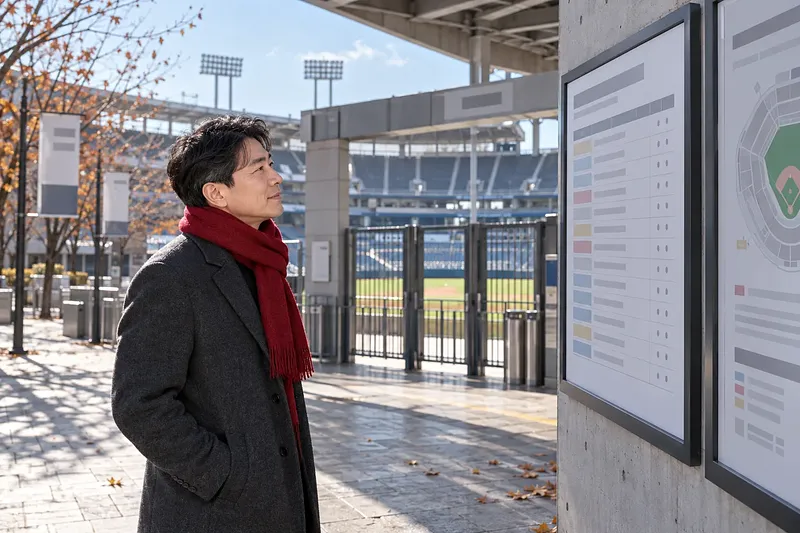
November 3 is KBO fans' new opener. The 2026 Korean Series schedule moves back one day, with Game 1 previously set for November 2. The scheduling of playoff Game 5 allows at least one travel day between the series. That gap helps with coordinating travel around the revised dates. The guide distinguishes scheduled dates from games that may not be needed. Games 5, 6 and 7 are played only if the champion has not been decided, helping readers avoid treating every listed game as certain. Games 1, 2, 6 and 7 are scheduled at Suwon KT Wiz Park. Games 3, 4 and 5 are scheduled at the playoff winner's home stadium. Fans coordinating stadium visits or broadcast viewing can use the article to plan. Before each game, confirm its date, time, venue and TV channel in KBO's Schedule & Results.
Convenience Store Displays: Traffic Flow and Golden Zones
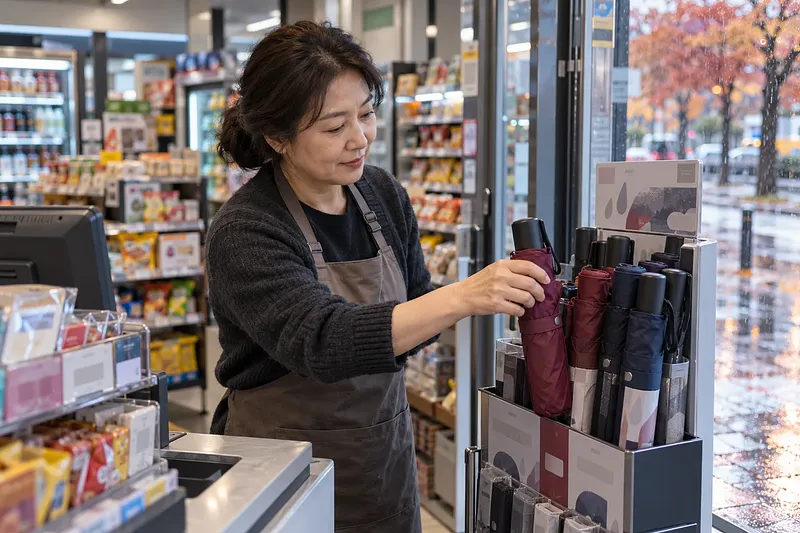
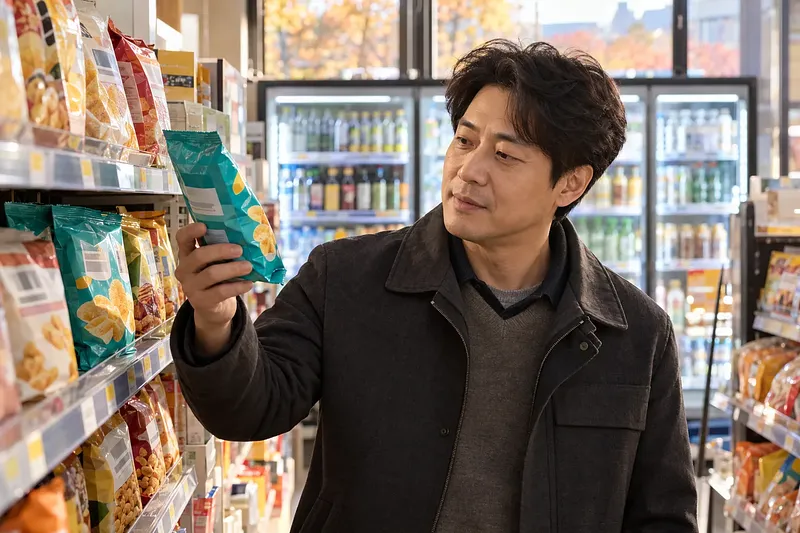
For retailers, PB means private brand. PB is defined differently from collaborations or exclusive sales. Display performance also needs context. If discounts or weather changed, those changes need to be checked when assessing a new arrangement. The article explains how traffic flow creates opportunities for shoppers to encounter other products, and how cross-merchandising groups products used together. These arrangements can make products easier to find and choose. Golden zones depend on sightlines and layout, so fixed heights or angles are hard to generalize. Convenience store operators weighing a display change can read the article to distinguish product labels, understand display choices and identify other changes to check before assessing the results.
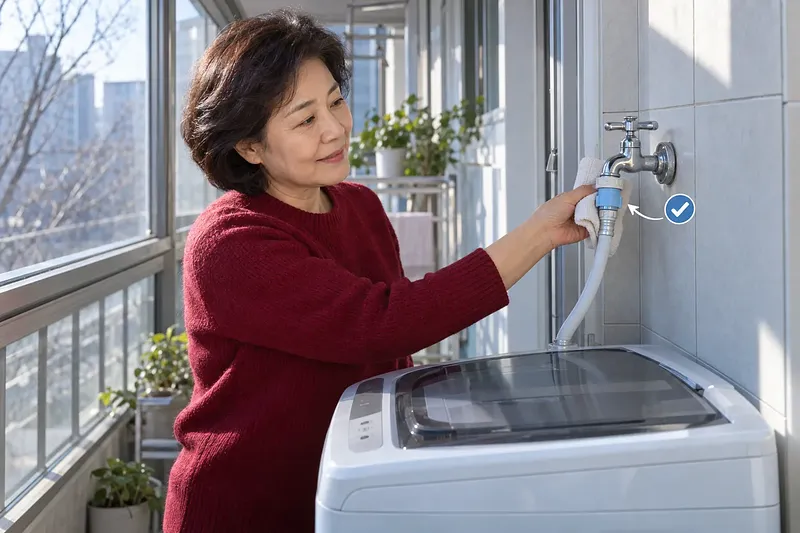
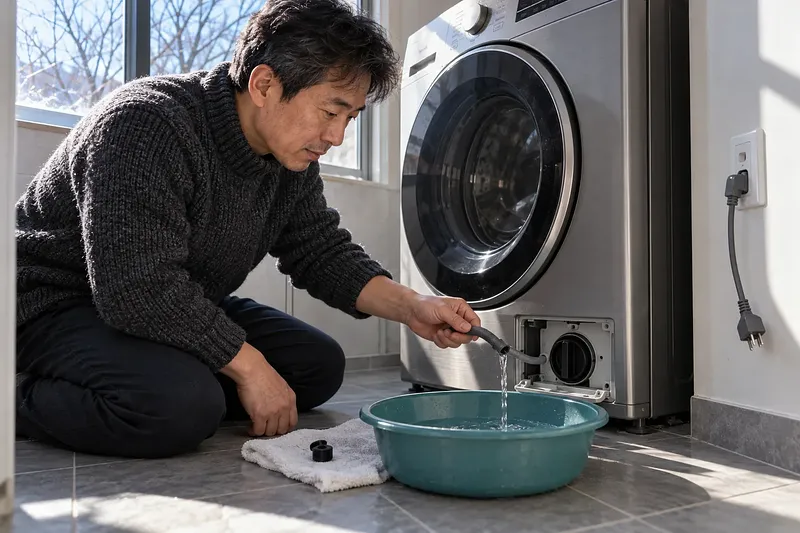
Washer owners need a leak check. After winter draining, check hose connections and watch for leaks during filling and draining. Draining the machine itself does not empty every hose. The inlet hose and drain hose need separate draining, so a single step can leave water behind. For front-loading models, the guide explains using the residual water drain hose. Top-loading models follow the manual's spin and drain procedures. A basin and towels help manage the water being removed, and any caps removed need to be securely replaced. Owners preparing front-loading or top-loading machines for winter can use the article to plan the steps and help avoid freezing-related interruptions to laundry. Confirm the instructions for the specific model in its user manual.
Humidifier Water: Tap vs. Purified Water Guidelines
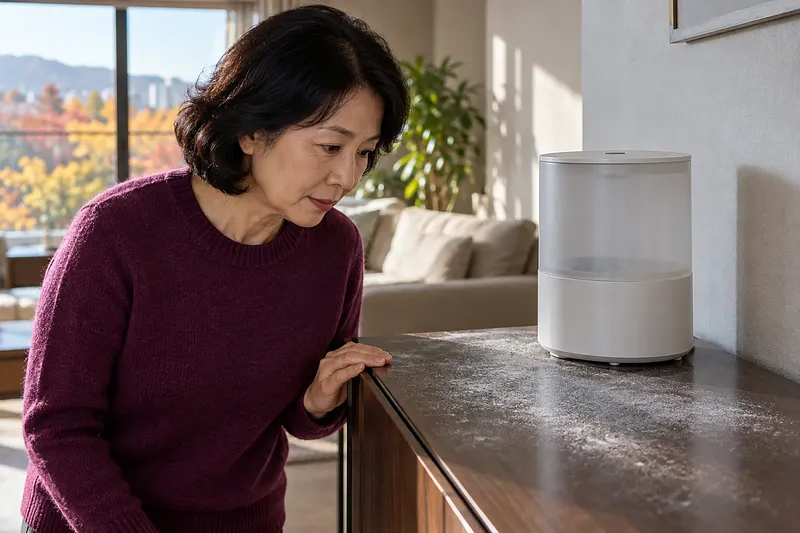
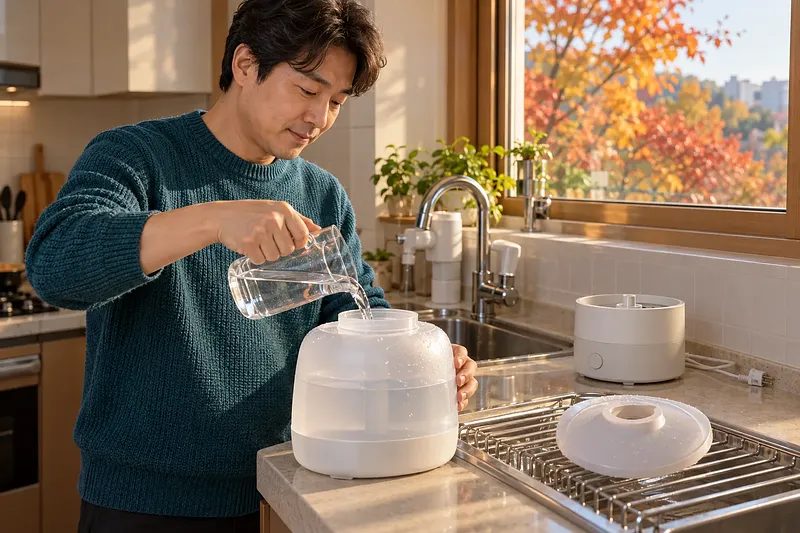
Model manuals guide humidifier owners. Water choice depends on the model's requirements, not the humidification method alone. A purifier does not settle the question: mineral content varies by treatment method. Boiling and cooling water is also different from making distilled water by collecting steam separately. The article explains these distinctions so water selection involves less guesswork. It also separates white dust on nearby furniture from hard deposits inside the tank; the two occur in different places. When choosing humidifier water, you can read the article alongside the product manual. Even with low-mineral water, water changes and tank cleaning remain separate tasks.
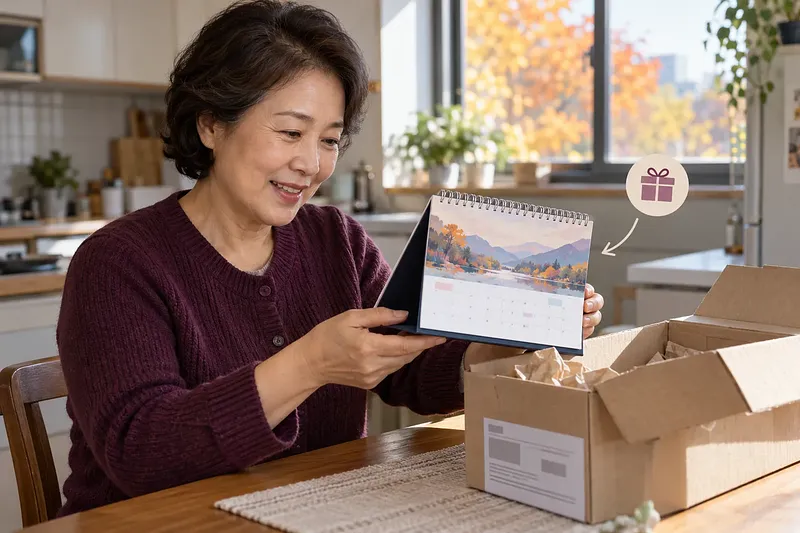
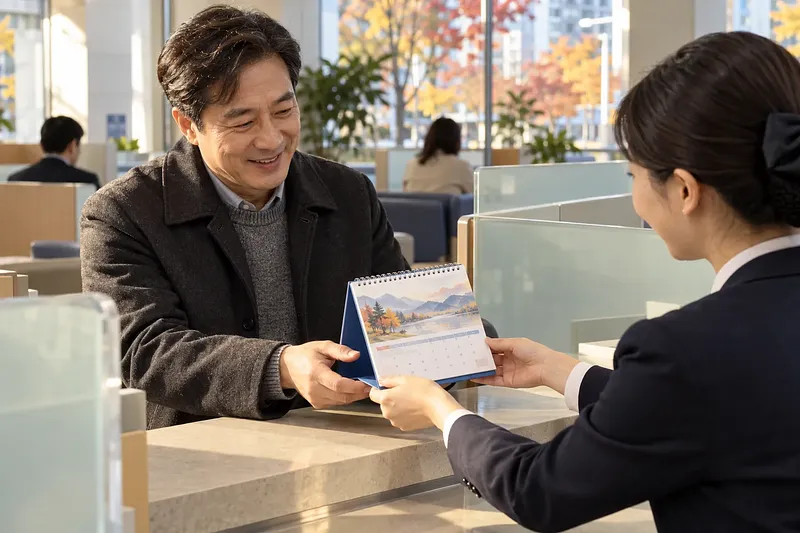
Bank calendar pickup needs preparation. For 2027, confirm what to bring and how to collect the calendar before scheduling a branch visit. Past event schedules do not confirm 2027 distribution dates or pickup requirements. The bank's official app and the intended branch are the places to confirm current arrangements. The article sets out how to check whether applications are first-come, first-served or entered into a drawing, what information an announcement requires, and how to confirm an application result or branch stock. These checks can help avoid an unnecessary trip. For people seeking a 2027 bank calendar, customer status may also matter: ask whether that branch limits calendars to existing customers. Read the article for the steps from announcement to collection.
June 10 Movement 1926: Preparations and Significance
June 10 planners prepared a manifesto. The "Korean Independence Party Manifesto" did not reach the public through mass distribution. That distinction matters when interpreting the preparations. A document's existence does not establish that its message reached a mass audience. The article compares the labor federation faction with the student-led Sajik-dong and Tong-dong factions, explaining their different roles and organizational foundations. It also traces students' continued coordination between schools and leaflet production after preemptive arrests. For readers studying the June 10 Movement of 1926, these distinctions help separate planned activity from public action. The account covers the preparations, protests and trials, and what they reveal about students' organizational capabilities under repression.