 Injoys
Social
A short written take on each piece of content: what changed and why it matters. Skim the point first, then follow through to the full article only for what interests you. Every take is drawn from real content, so the link takes you straight to the material it is based on.


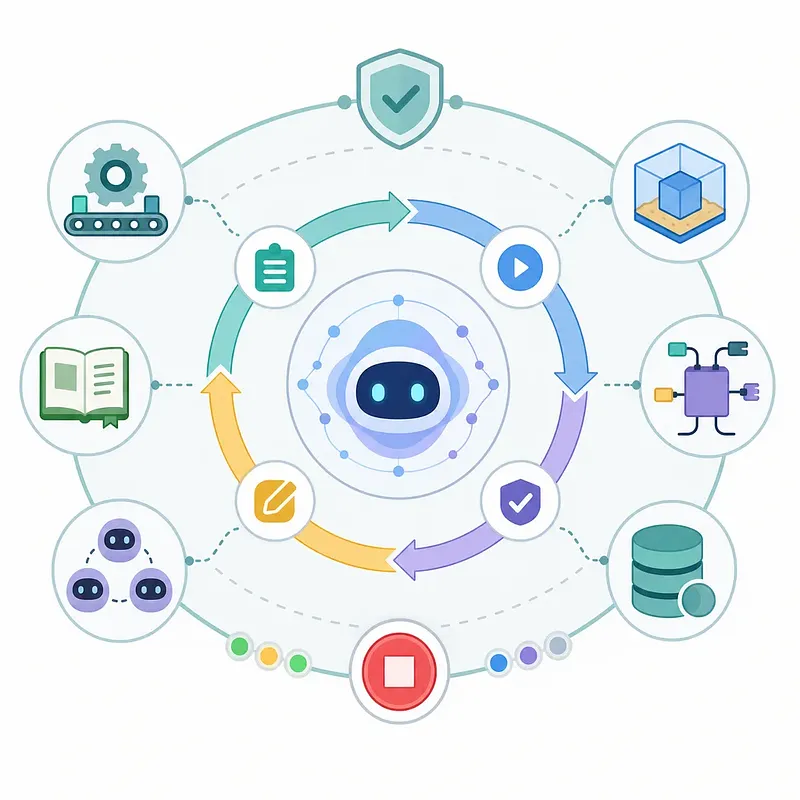
Loop Engineering is emerging as a practical way to think about AI agent workflows. Rather than treating AI interaction as a single prompt-and-response exchange, it designs a task system where agents can plan, execute, test, analyze errors, retry, and request review within a closed feedback cycle. The article outlines the core components behind that loop: automation, worktrees, skills, plugins and connectors, subagents, and memory. It also highlights why safety matters. Without isolated workspaces, access control, cost management, quality verification, and clear termination conditions, iterative automation can quickly become risky. A useful framework for teams exploring AI-assisted development and LLMOps. Read more : https://injoys.com/en/articles/loop-engineering-concept-components #AIAgents #LLMOps
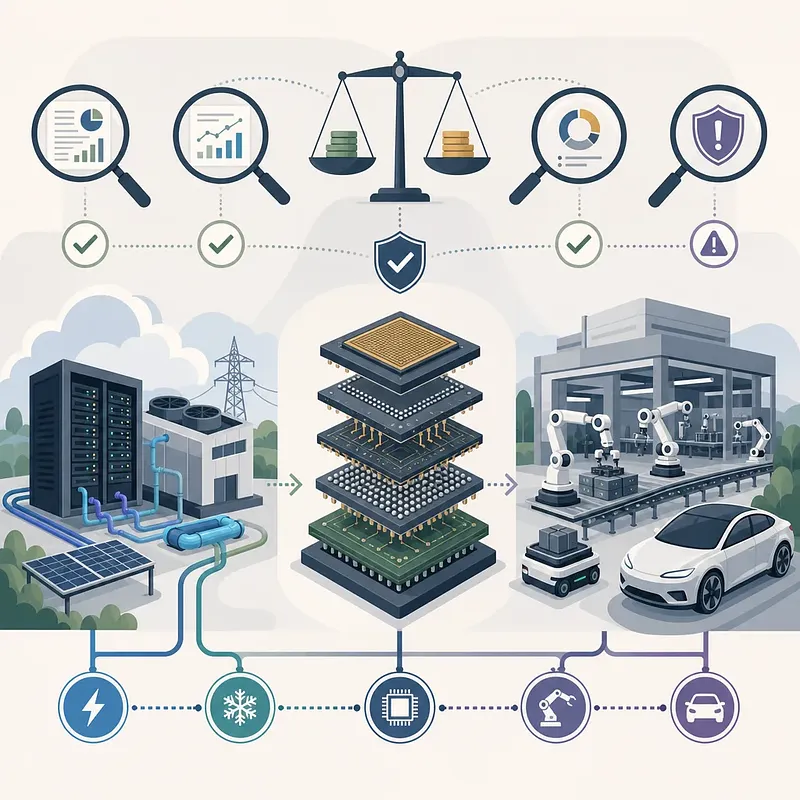
AI-related investing is increasingly about more than blue-chip chip names. As demand grows, bottlenecks may shift toward power, cooling, data centers, cloud operating capacity, advanced packaging, and large-area semiconductor substrates. This article outlines a broader framework for evaluating the AI cycle, including how automotive companies may be reassessed through robotics, software, AI factories, and physical AI data. It also emphasizes a practical point for individual investors: compare analyst revisions with business report figures, assess earnings visibility, and define buying criteria, stop-loss levels, portfolio weights, and cash allocation in advance. Read more : https://injoys.com/en/articles/ai-semiconductor-next-investment-framework #AI #Semiconductors #Investing


For teams exploring Claude API development, official documentation is necessary—but runnable examples often shorten the path from reading to building. This article introduces Claude Cookbooks, Anthropic’s GitHub repository of Jupyter Notebook examples covering practical patterns such as text classification, summarization, RAG, customer-service chatbots, natural-language data retrieval, and processing PDFs, charts, and images. The key point is not to copy notebooks unchanged. Start with API key setup, Python environment, cost controls, and data security basics. Then use the examples as a base for adapting input data, prompts, error handling, and evaluation criteria to your own use case. Read more : https://injoys.com/en/articles/claude-cookbooks-api-examples-guide #ClaudeAPI #AIDevelopment #RAG


July National Pension Premium Increase: Overview of the Upper and Lower Limits of the Standard Monthly Income and the 9.5% Premium Rate
Starting in July, the standard monthly income range used to calculate Korea’s National Pension premiums will be updated: the upper limit increases from 6.37 million won to 6.59 million won, and the lower limit from 400,000 won to 410,000 won. That matters for payroll planning and personal budgeting. Applying the 9.5% contribution rate brings the maximum monthly premium to 626,050 won. For employees, the increase is typically shared with employers, so the paycheck impact is half of the total premium change. The article breaks down who is most affected and why higher contribution bases may also support higher future pension benefits. Read more : https://injoys.com/en/articles/national-pension-premium-july-income-ceiling-floor-rate #NationalPension #RetirementPlanning

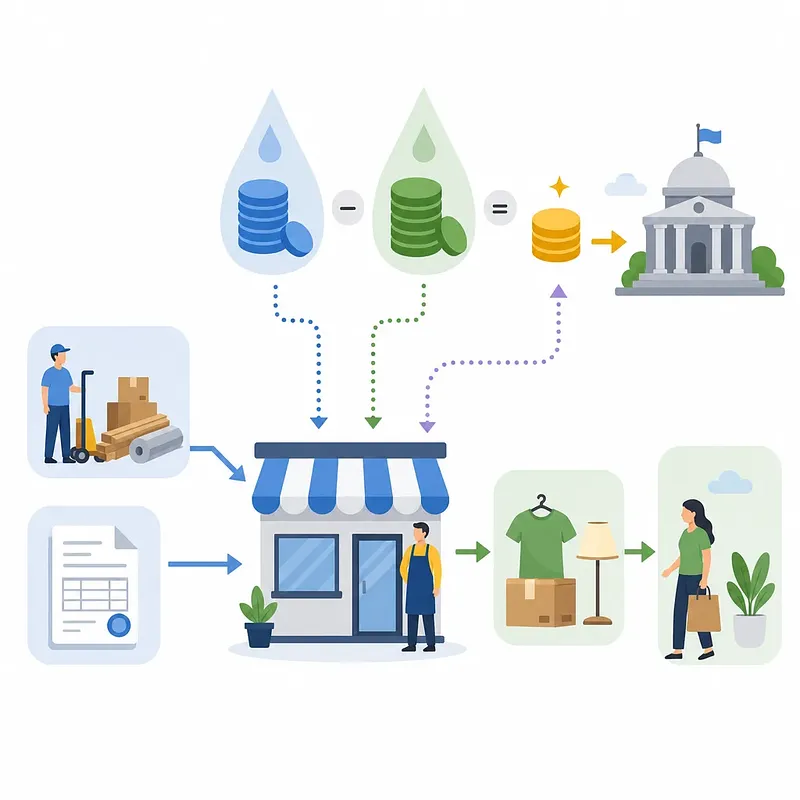
What is value-added tax (VAT), and how is it calculated?
For businesses, VAT is not just a line item on an invoice—it is a tax collected from consumers and reported by the business. Misunderstanding that distinction can distort revenue, cash flow, and tax planning. This article outlines the basic VAT structure for general taxpayers: output tax minus deductible input tax, the standard 10% rate, the difference between supply price and consideration, and when input tax may result in a refund. It also highlights why keeping collected VAT in a separate account can reduce accounting risk. Read more : https://injoys.com/en/articles/what-is-value-added-tax-vat-korea #VAT #TaxFiling #BusinessFinance

Implementation of Managed Care Benefits for Manual Therapy: 43,850 won per session; Summary Based on 15 Sessions Per Year
Manual therapy is now subject to a standardized managed-benefit framework, with the per-session fee set at 43,850 won. While this creates clearer pricing across healthcare facilities, patients should note that the copayment rate is 95%, which is higher than general health insurance benefits. The general usage limit is two sessions per week and 15 sessions per year. However, medically necessary cases—such as joint contractures following surgery or fractures—may be approved for up to 24 sessions annually based on clinical judgment. For patients and providers, the key issues are eligibility, visit-count tracking, documentation, and whether the purpose of treatment qualifies for coverage. Read more : https://injoys.com/en/articles/manual-therapy-managed-benefit-korea-43850-won #HealthInsurance #ManualTherapy