Social
A short written take on each piece of content: what changed and why it matters. Skim the point first, then follow through to the full article only for what interests you. Every take is drawn from real content, so the link takes you straight to the material it is based on.

Festival visitors had a rain policy. The Oct 24, 2026 Seoul Music Festival at Nodeul Island was generally set to proceed in rain. Changes for heavy rain or similar conditions were to be announced on the official website and social media. For on-site visitors, those notices were the place to confirm changes before making a trip, rather than assuming rain meant cancellation. Read the article for the published weather, entry and viewing guidance.


Weekend catch-up sleep benefits and recovery guidelines
7 hours is adults' advised daily sleep minimum. Weekend catch-up may ease temporary loss, but it is unlikely to undo all the effects of repeated short nights. Short naps can help daytime alertness. Trouble sleeping at night may mean nap habits need adjusting. The Centers for Disease Control and Prevention's 2024 guidance applies that minimum to adults aged 18-60. Read the article for sleep-timing guidance and position choices based on breathing or reflux symptoms.


Napa Cabbage Kimchi: Packaged and Restaurant Origin Labels
Kimchi buyers can read 'domestic' as 'Korean'. In agricultural product origin labeling, 'domestic origin' and 'Korean origin' mean the same thing. 'Made in Korea', however, does not establish every ingredient's origin. The article separates packaged kimchi rules from restaurant labeling, helping you compare ingredient sources without guessing. For buyers of kimchi made in Korea and diners ordering napa cabbage kimchi. Read the article for the ingredients each label must identify.


250,000 won shows AI users why fare terms matter. That is the cancellation-loss gap between two fares in a hypothetical flight-ticket example, not a prediction of a shopper's loss. Payment tokens protect card details, not purchase terms. Keeping AI instructions, the approval screen and the order together makes differences easier to spot. For people making AI-assisted online purchases in Korea, the article explains how approval and cancellation rules affect disputes. Read it before entrusting a payment to an agent.

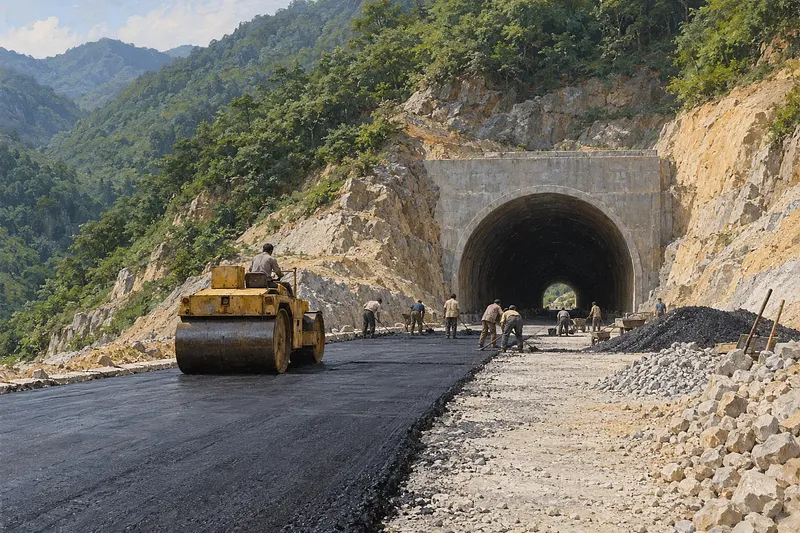
July 7, 1970: Gyeongbu Expressway opened. Construction had finished on June 30, 1970. Completion and opening were separate milestones. The article places those dates alongside the bridge work across the Geum River and mountain tunnelling, making the final construction stage easier to understand. For readers interested in South Korea's transport history, the Daejeon-Daegu section explains why the last stage was particularly challenging. You can read the account for the route's engineering work and funding.
Daedong Law in Chungcheong in 1651: Kim Yuk's Role
Kim Yuk's Daedong Law proposal stalled in 1638. After Hyojong's accession, supportive officials joined the effort despite concerns about revenue shortfalls. Chungcheong implemented the reform in 1651. For readers following Joseon tax history, the article connects that political effort with land-based tribute assessments and the plan to fund local expenses. Read the account to distinguish the 1651 rollout from the detailed rules refined in 1654.