 Injoys
Social
A short written take on each piece of content: what changed and why it matters. Skim the point first, then follow through to the full article only for what interests you. Every take is drawn from real content, so the link takes you straight to the material it is based on.


2026 Aichi-Nagoya Asian Games Schedule and TV

Can Asian Games fans rely on KBS or MBC promos? The day's programming still needs a check to confirm the actual broadcast channel. Read the article for what to verify against the latest organizing committee and broadcaster announcements. Checking schedules and channels can help viewers set aside time for an event and spend less of it searching for coverage. For viewers in South Korea following the 2026 Aichi-Nagoya Games. #AsianGames #AichiNagoya2026 #SportsBroadcasting #TVSchedules
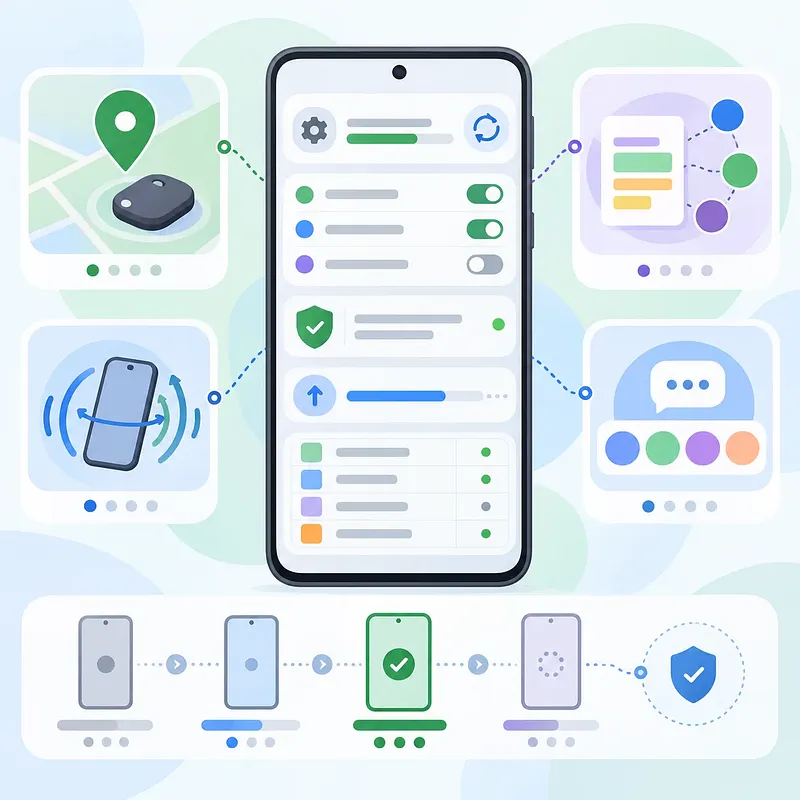

Android phone owners should verify app updates. Feature eligibility differs by version, and Motion Assist is rolling out gradually. Start with Settings > About phone. Then update the Android system, Gemini, Find Hub, Google Messages, and Google Keep before checking availability. The article shows where to look for item memory in Gemini and Find Hub, how to find and enable Motion Assist, and where shared Keep notes and chat themes may appear in Messages. Following one sequence means less time searching through the wrong menus. Item-memory checks apply to Android 16 or later. Motion Assist searches apply to Android 17 or later. #AndroidUpdates #Productivity #GeminiAI #AndroidTips
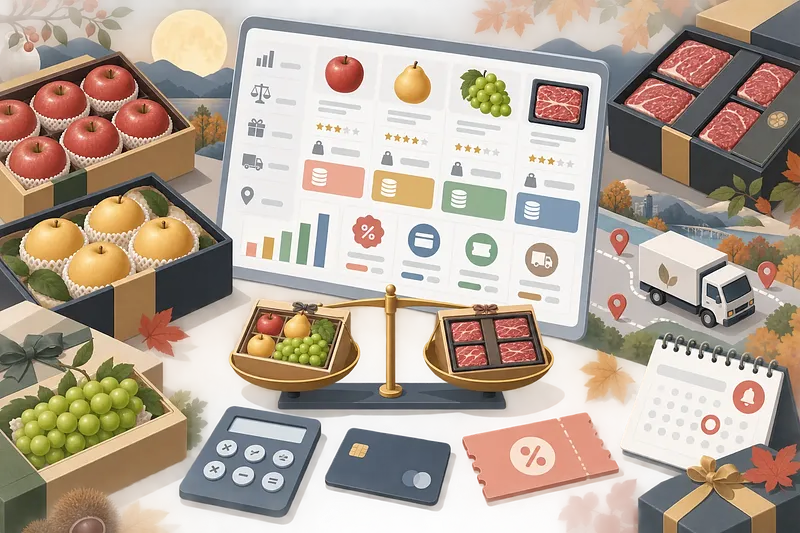

2026 Chuseok buyers weigh price against terms. The listed price is only the starting point when package sizes, grades and promotions differ. First, match weight, quantity and grade to find the unit price. Deduct instant and eligible card discounts, but include gift certificates only when they can actually be used. This makes it easier to see which offer truly costs less. For fruit sets, compare variety, origin, weight and fruit size together. Free-shipping coverage, remote-area surcharges, dispatch dates and shipping deadlines also help determine whether an order fits the budget and delivery plan. This guide applies to shoppers comparing 2026 Chuseok gift set preorders. #Chuseok #GiftSets #FoodShopping #SmartShopping
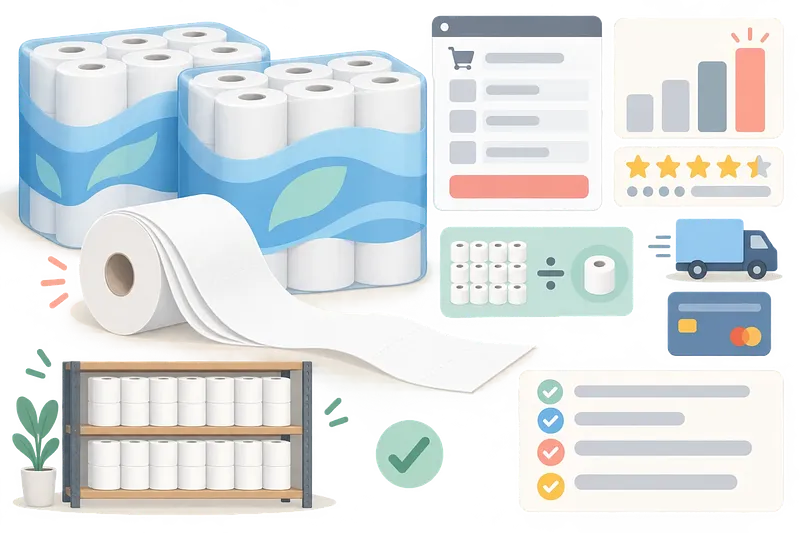
All Challenge Natural Pulp Toilet Paper, 60-Roll Price
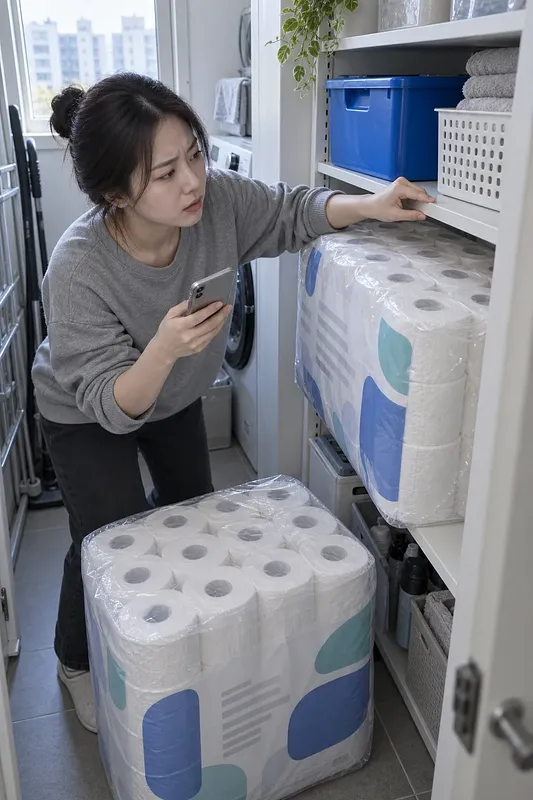
This post contains Toss Shopping ShareLink affiliate links, for which a commission is earned. Households unpack 60 rolls of 3-ply toilet paper. That means finding space for two packs of 30. Check that the selected purchase option includes both packs before comparing costs. The article's price of 12,900 won, as of 2026-09-10, works out to 215 won per roll on that date. Use that figure to compare unit costs, then check shipping fees and payment discount terms at checkout. Planning storage around expected use can help keep cupboards manageable. For households considering this All Challenge set, read the buying guide before ordering. #ToiletPaper #HouseholdShopping #DecisionMaking


Do 30-day Hormuz routes mean 50% more tankers? A route extending from 20 to 30 days raises vessel-days for that shipment by 50%. But that arithmetic does not establish that the world needs 50% more tankers. The article starts with the key checkpoint: verify the reported counter-blockade through original US government documents. It then separates the variables that could shape a shipbuilding case—freight rates, vessel scrapping, orders, ship prices, and profitability—so longer voyages are not mistaken for confirmed demand. This framework applies only if the executive order and operational scope are officially confirmed; not every shadow-fleet vessel is illegal or unregistered. #StraitofHormuz #Shipbuilding #OilMarkets #Geopolitics
High Cholesterol Medication and Screening Guidelines
Does high LDL alone mean medication is needed? Medication decisions also depend on diabetes, smoking, blood pressure and existing cardiovascular disease. Lifestyle changes and medication are not alternatives to each other. The article explains how those factors guide care and why age alone does not justify routine carotid ultrasound or brain MRI/MRA for people without symptoms. Bring clearer questions about daily habits, medication and testing to the next care discussion. For people managing high cholesterol or considering screening. #HealthScreening #HealthyAging #EatingHabits