 Injoys
Social
A short written take on each piece of content: what changed and why it matters. Skim the point first, then follow through to the full article only for what interests you. Every take is drawn from real content, so the link takes you straight to the material it is based on.


Better Claude Code output starts before any code is generated. Document the user context, problem, success criteria, and technical constraints first. Then define a concrete output contract covering file structure, scope, data format, and completion criteria. #PromptEngineering


Spotted a celebrity deepfake investment ad in Japan? Stop engaging and save the ad URL, library ID, account address, and original screenshots. If money was sent, halt further transfers and contact both financial institutions and the police before reporting the ad. #Deepfake


Flood insurance usually can’t be activated at the last minute: NFIP coverage generally has a 30-day waiting period after enrollment and payment. Check FEMA flood maps for your address, then compare NFIP and private options for limits, deductibles, exclusions, and effective dates. #FloodPreparedness


Higher profits at Samsung Electronics and SK hynix do not automatically mean special dividends or major buybacks. Check free cash flow after capital spending, board resolutions, and official disclosures before treating figures such as KRW 9,650 per share as fact. #Semiconductors

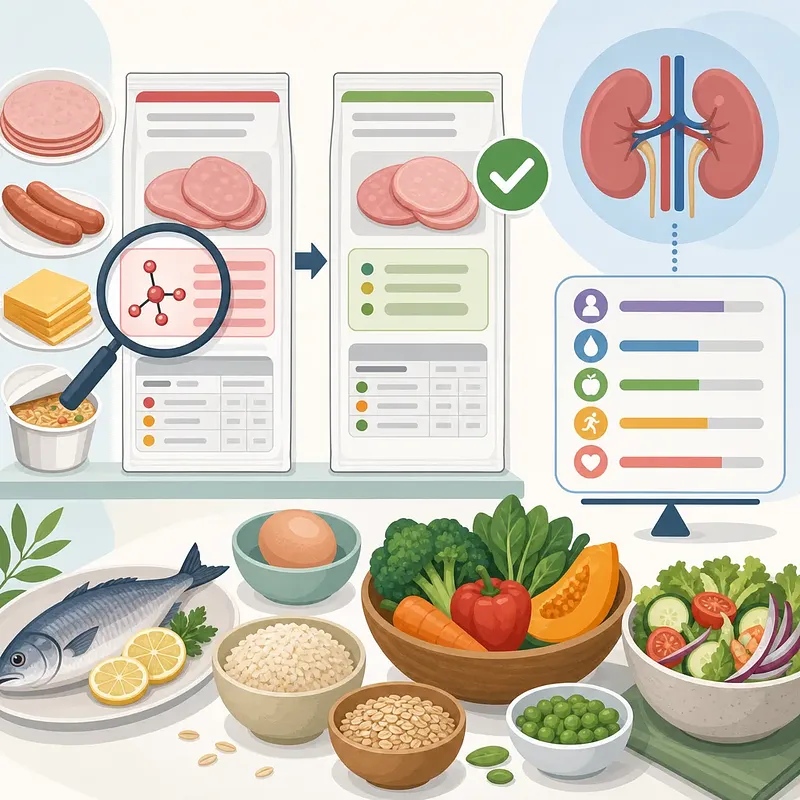
How to Choose Foods with Less Phosphorus from Additives
Trying to reduce phosphorus from food additives? Check ingredient lists for phosphoric acid and phosphate-based additives, then compare similar products such as ham, sausages, processed cheese, and instant foods. If you have chronic kidney disease, ask your care team what level of restriction is right for you. #KidneyHealth

Habits That Drive Achievement: Why Systems of Repetition Matter More Than Self-Control
Trying to achieve more through willpower alone? A better approach is to attach one high-impact behavior to a clear cue, then prepare your environment so starting feels easy. And if you miss a day, restore the cue and repeat at the next opportunity. #HabitFormation