Social
A short written take on each piece of content: what changed and why it matters. Skim the point first, then follow through to the full article only for what interests you. Every take is drawn from real content, so the link takes you straight to the material it is based on.


Early admission deadlines can vary by university—even within the September 7–11, 2026 application window. This article walks through the six-application limit, document checks, fee payment, application numbers, admission tickets, and post-submission follow-up. Check the article before finalizing your 2027 application plan.

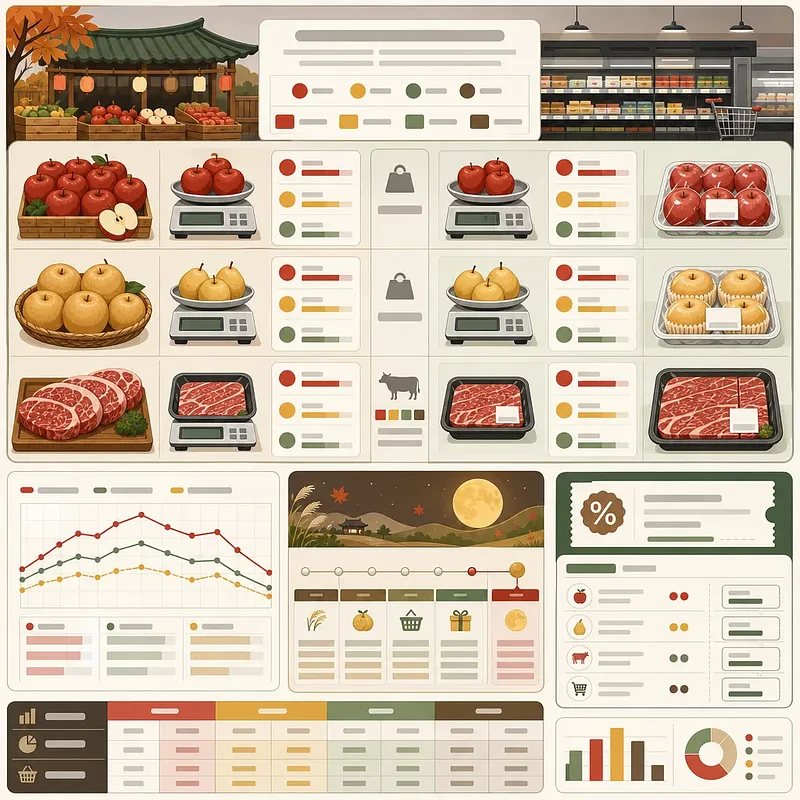
Are Chuseok apples, pears, or Hanwoo actually cheaper at a traditional market or supermarket? A reliable answer requires matching varieties or cuts, grades, and units—and treating conditional discounts separately. The article also explains why actual fruit weight and comparable pre-holiday dates matter. Check it out before interpreting KAMIS prices.

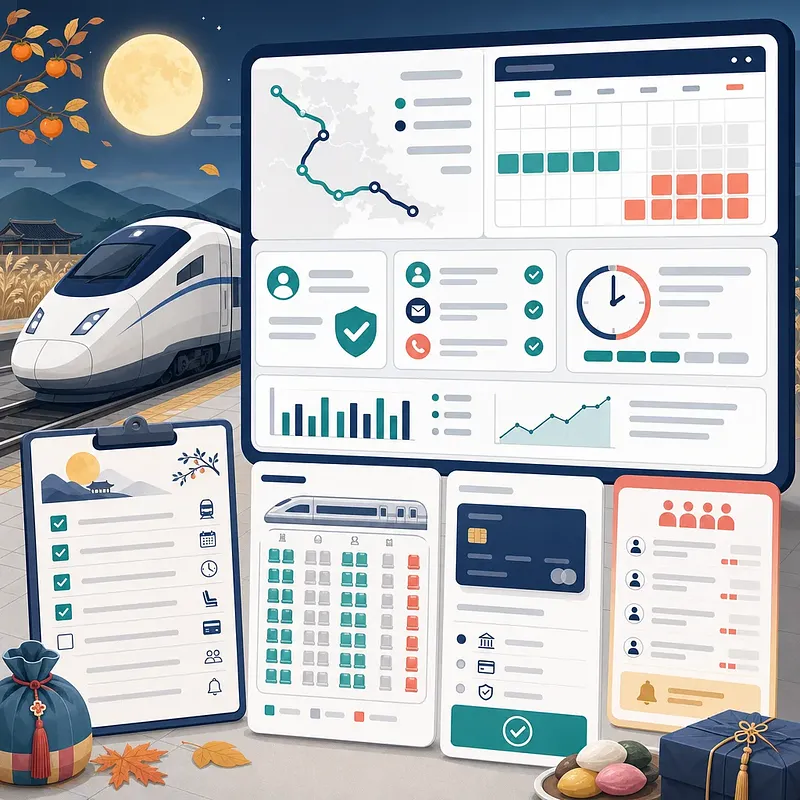
Planning KTX travel for Chuseok from September 23–27? Your booking date depends on the route, and your unified railway membership should be ready in advance. Sales begin September 3 for transportation-disadvantaged passengers, followed by assigned general booking slots from September 7–11. Check the article for the account, payment, ticket-limit, and waitlist steps to review before booking.


Not sure whether a student’s backpack is too heavy? This article shows how to calculate a 10–15% reference range, weigh the complete everyday load, and improve how items are packed. It also explains why fit, travel time, pain, numbness, and changes in walking should not be overlooked. Check the article for a practical step-by-step guide.

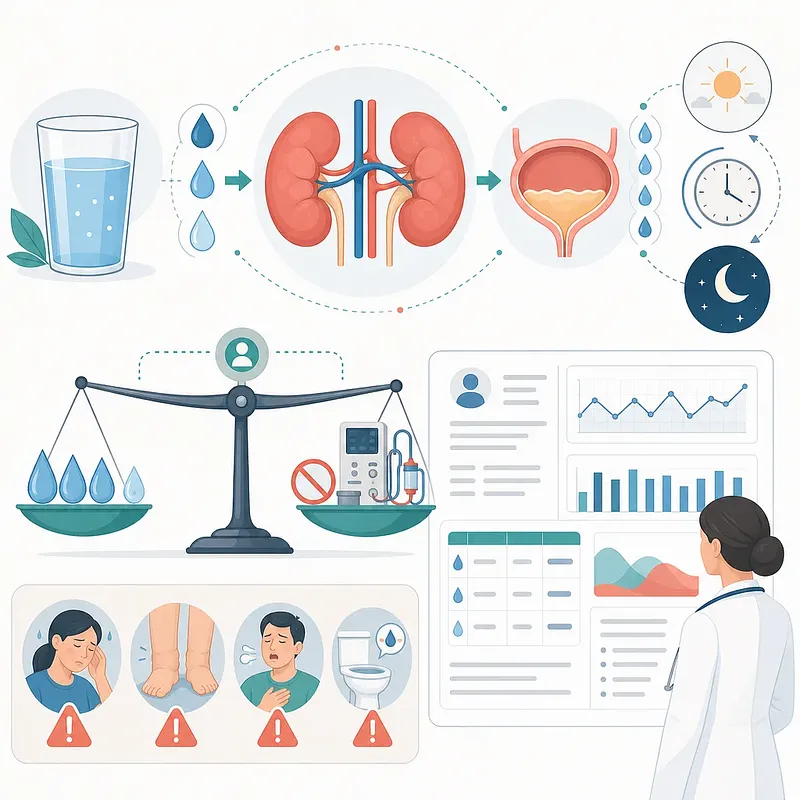
Drinking more water may increase urination, but it isn’t the only possible cause—and more water isn’t always healthier. Fluid needs can differ significantly for people with kidney disease, heart failure, edema, low sodium, or dialysis. Check out the article to understand hydration, frequent urination, individual fluid limits, and urgent warning signs.

Reading the September 2026 Typhoon Status: The Difference Between ‘None Currently’ and Seasonal Risk
Seeing “no active typhoons” can sound reassuring, but it only describes conditions at that moment—not the outlook for the whole month. This article explains what September’s 5.1 average actually means, how typhoons affecting Korea are counted, and the difference between probability and strong-wind radii. Check the article for a practical guide to reading official typhoon updates.