Social
A short written take on each piece of content: what changed and why it matters. Skim the point first, then follow through to the full article only for what interests you. Every take is drawn from real content, so the link takes you straight to the material it is based on.

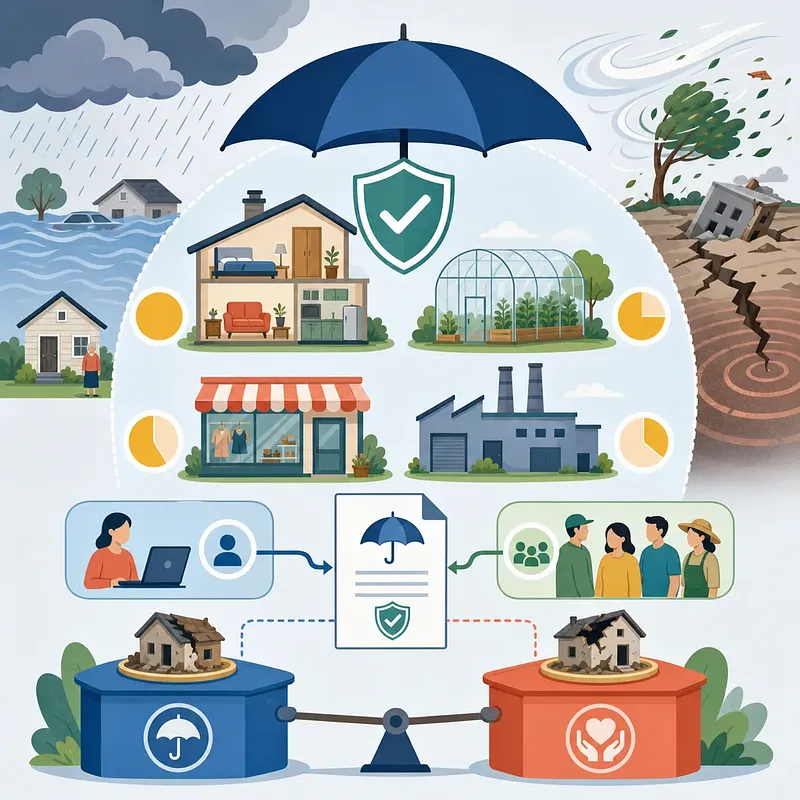
2026 Storm and Earthquake Disaster Insurance Subsidy Rates: Homes, Greenhouses, Shops, and Factories
Do you know how much of a 2026 storm and earthquake insurance premium may be subsidized? Support starts at 55% for general households and small-business premises, and 70% for agricultural and forestry greenhouses, with higher rates for some eligible households. Tenants also need separate coverage for their own belongings. Check the article for eligibility details, full-support conditions, and how insurance differs from disaster relief grants.

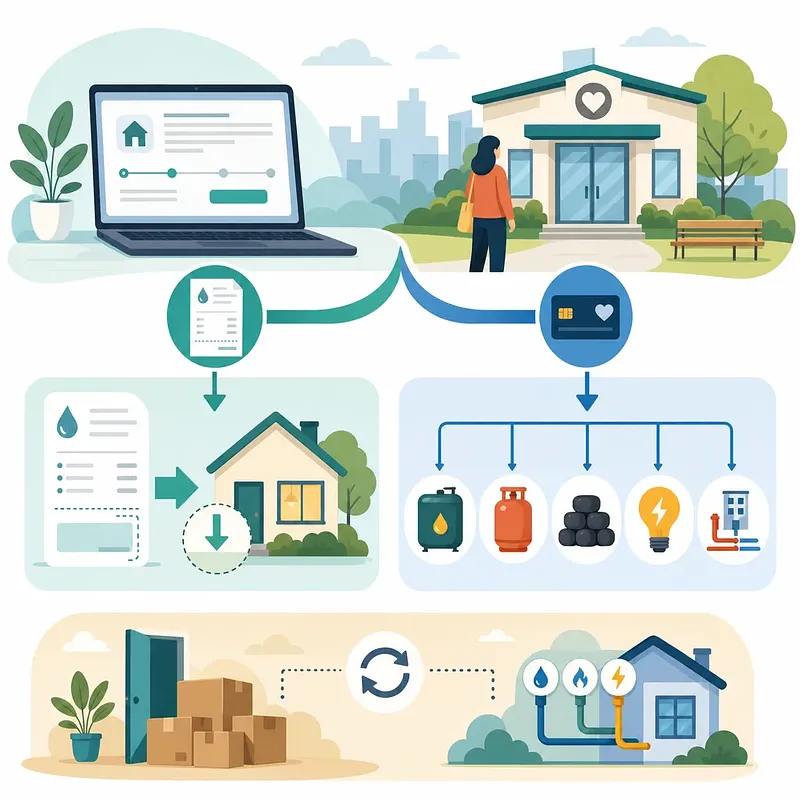
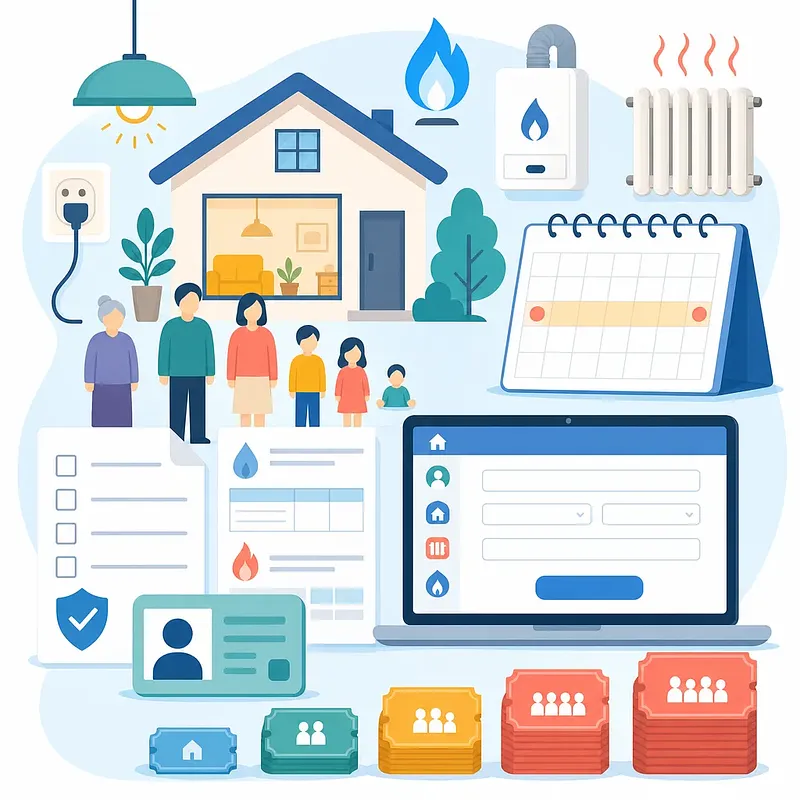
Need help navigating the 2026 Energy Voucher? This article explains the two-part eligibility check, support amounts by household size, required documents, and how to apply through Bokjiro or your local administrative welfare center by December 31. It also compares energy bill deductions with the National Happiness Card. Check the article for the full application process.

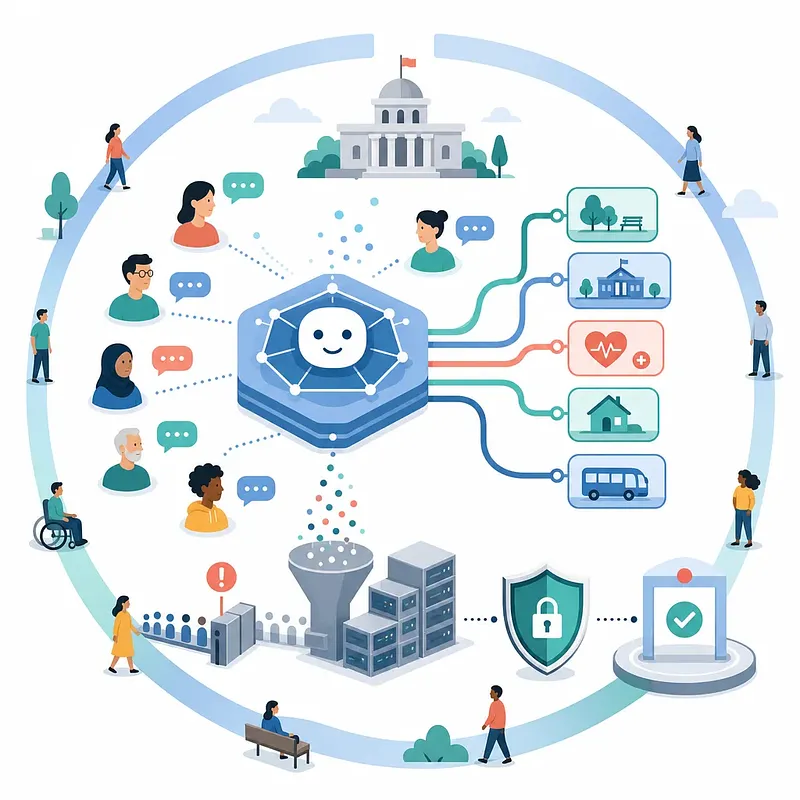
A free AI chatbot and an agent that helps with public-service applications could make digital services more accessible—but only if the rules work in practice. This article looks at the project timeline, model-share requirements, privacy safeguards, error responsibility, and the measures needed to evaluate real access. Check out the article for a clear overview of the framework and unresolved verification issues.
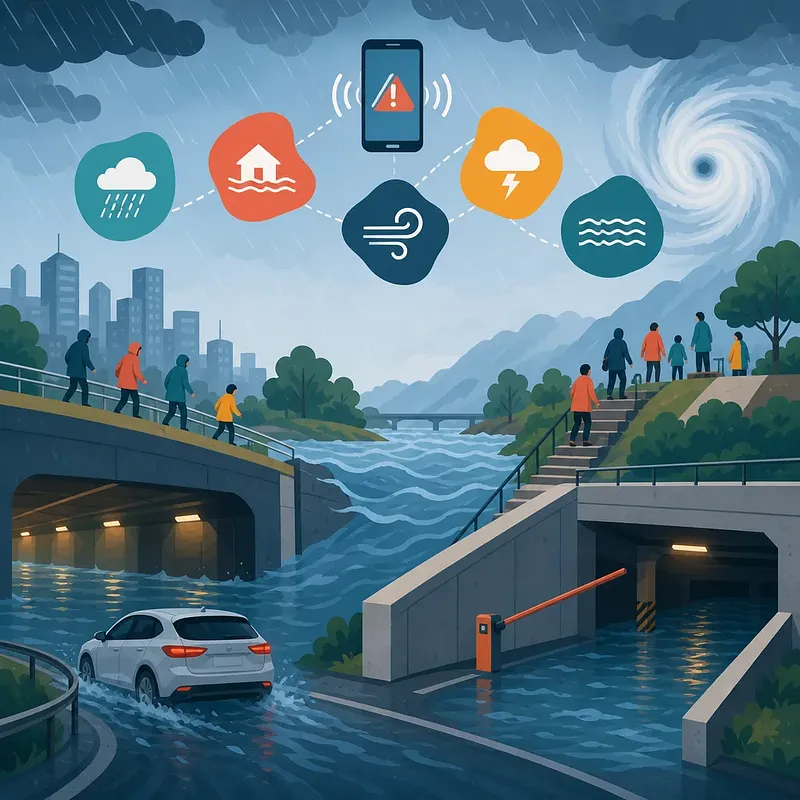
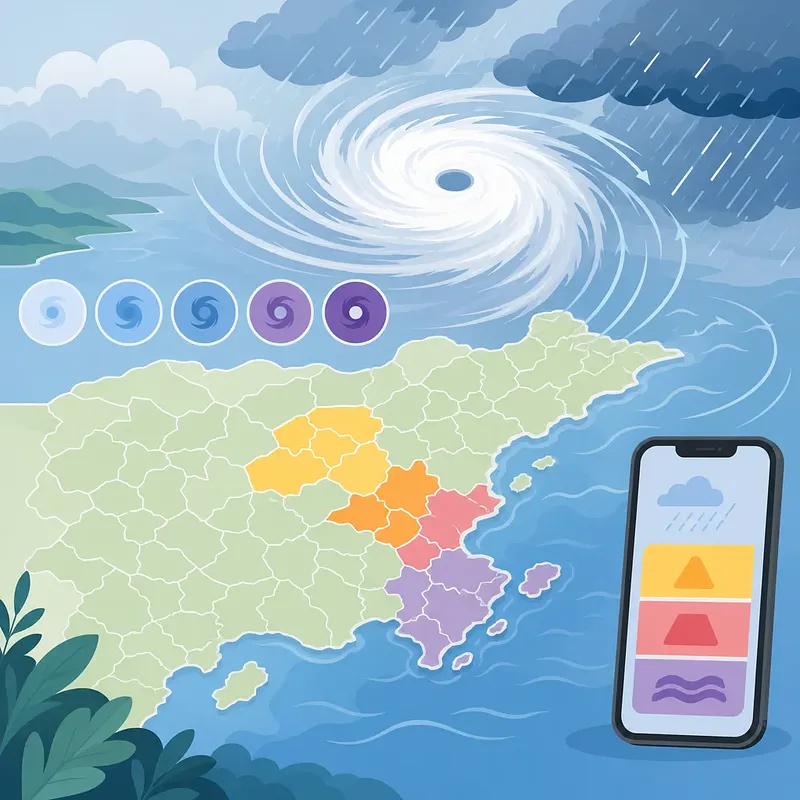
New typhoon numbers and more detailed local alert zones are arriving in 2026. This guide explains the five wind-intensity levels, the different forms of heavy-rain information, and why nearby locations may receive different alerts. It also covers the safest first steps when flooding or other hazards are present. Check the article to prepare before the next severe-weather alert.
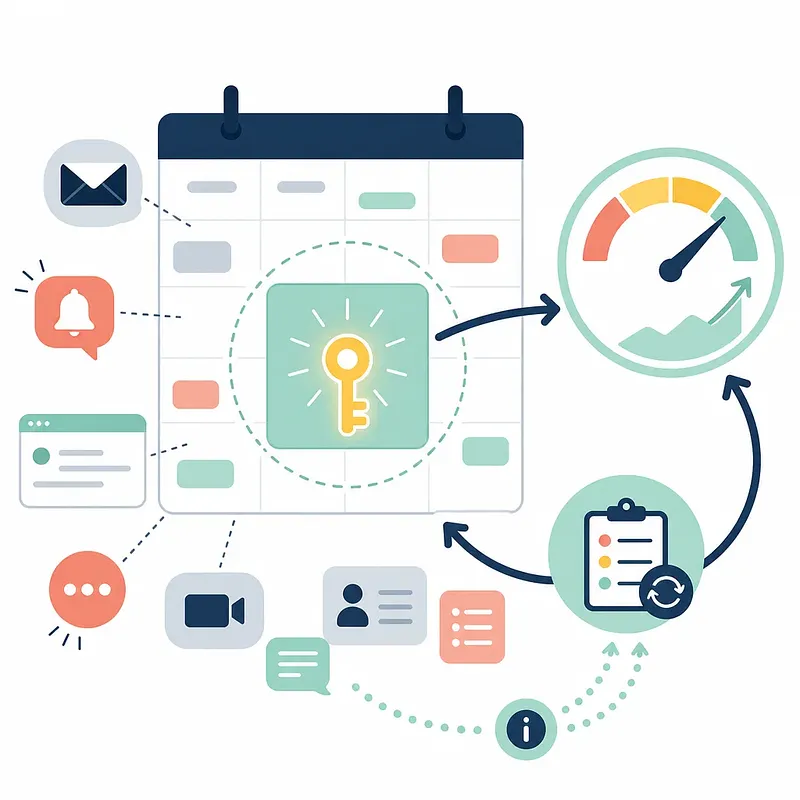
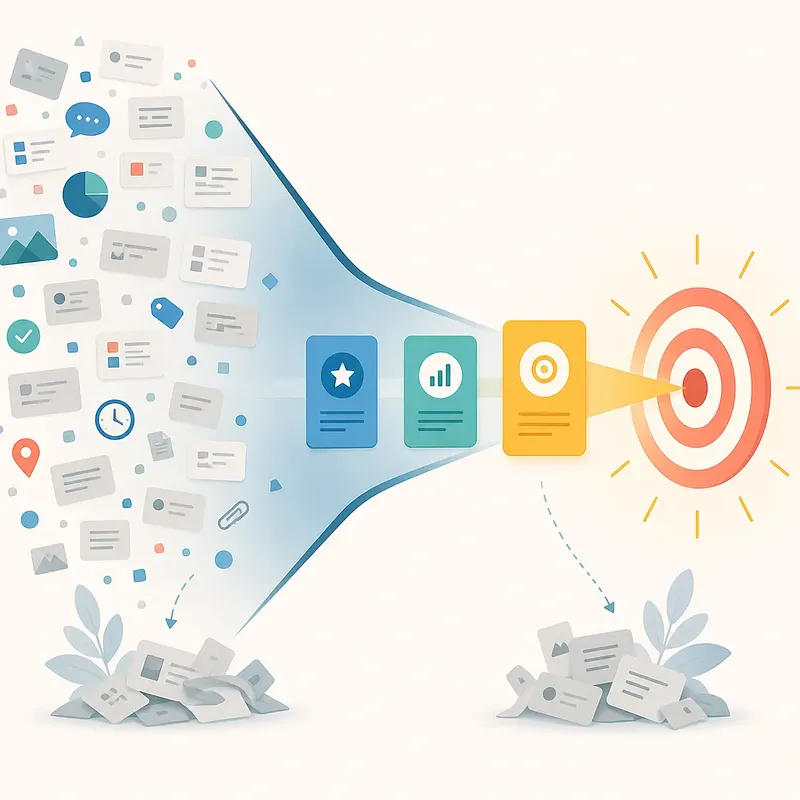
If your to-do list keeps growing without bringing your goals closer, it may be time to turn it into a success list. This article explains how to compare tasks by impact, urgency, and opportunity cost, protect focused time for core work, and revisit priorities when results or information change. Check out the article for a practical way to focus on what matters most.
Claim Verification Report: Grok 4.6, Computer History, and Gemini 3.7
Open weight does not ensure commercial use. Access to model weights can be conflated with source-code disclosure, free use, and commercial rights, although these are separate questions. The report explains how official announcements, model cards, and API documentation help verify model names, prices, and rankings. It also shows why benchmarks from different conditions should not be treated as directly comparable. For readers assessing AI releases and security claims, read the full verification report. #AI #GenerativeAI